- Florida Licensed Roofing Contractor CCC1335294
- 25+ Years of Roofing Experience
- TPO membrane, seam, flashing, and drainage evaluations
- Condition-based maintenance, repair, and replacement guidance
Understand the condition of your TPO roof before small concerns become larger disruptions.
TPO Roof Maintenance
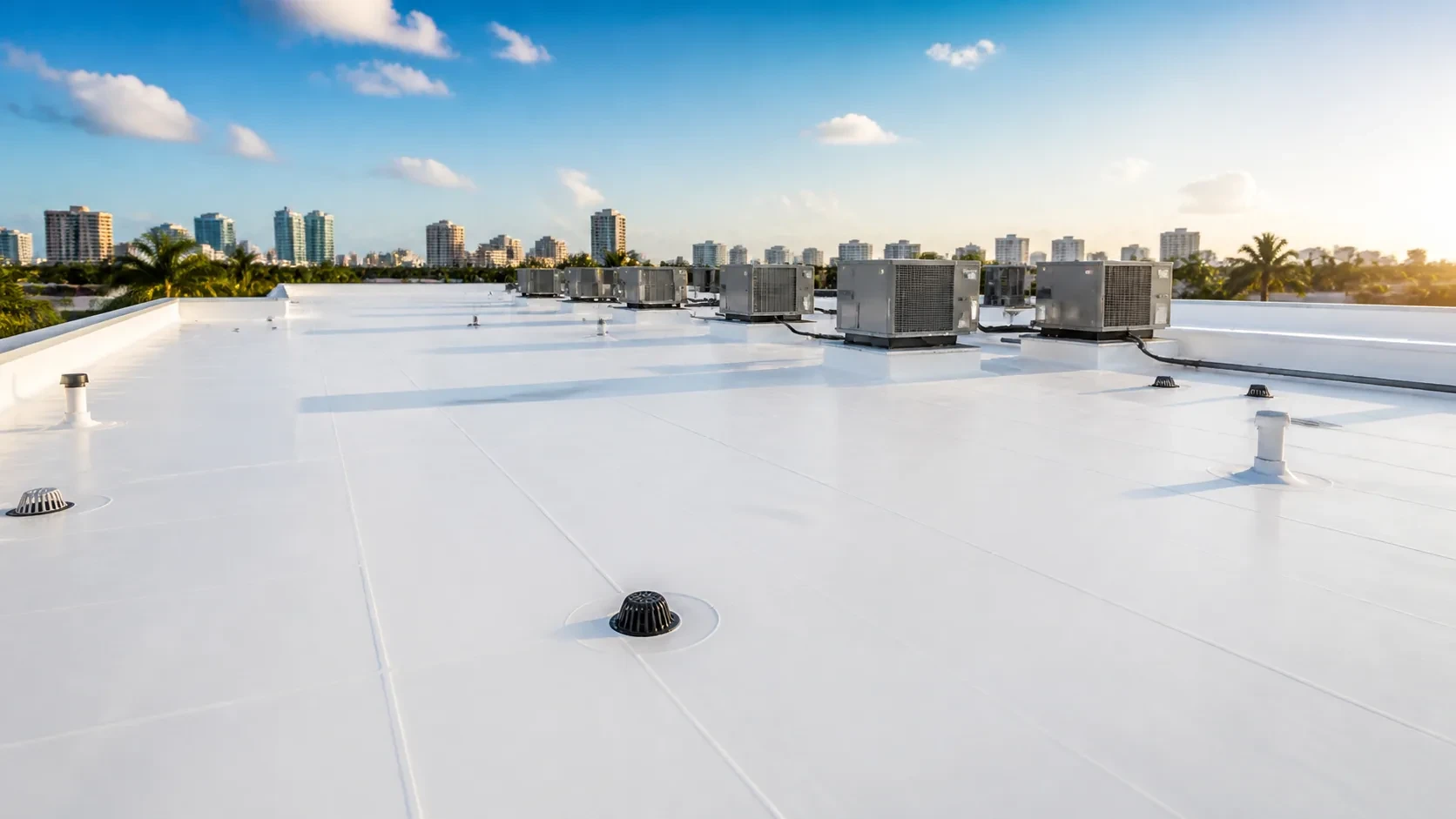
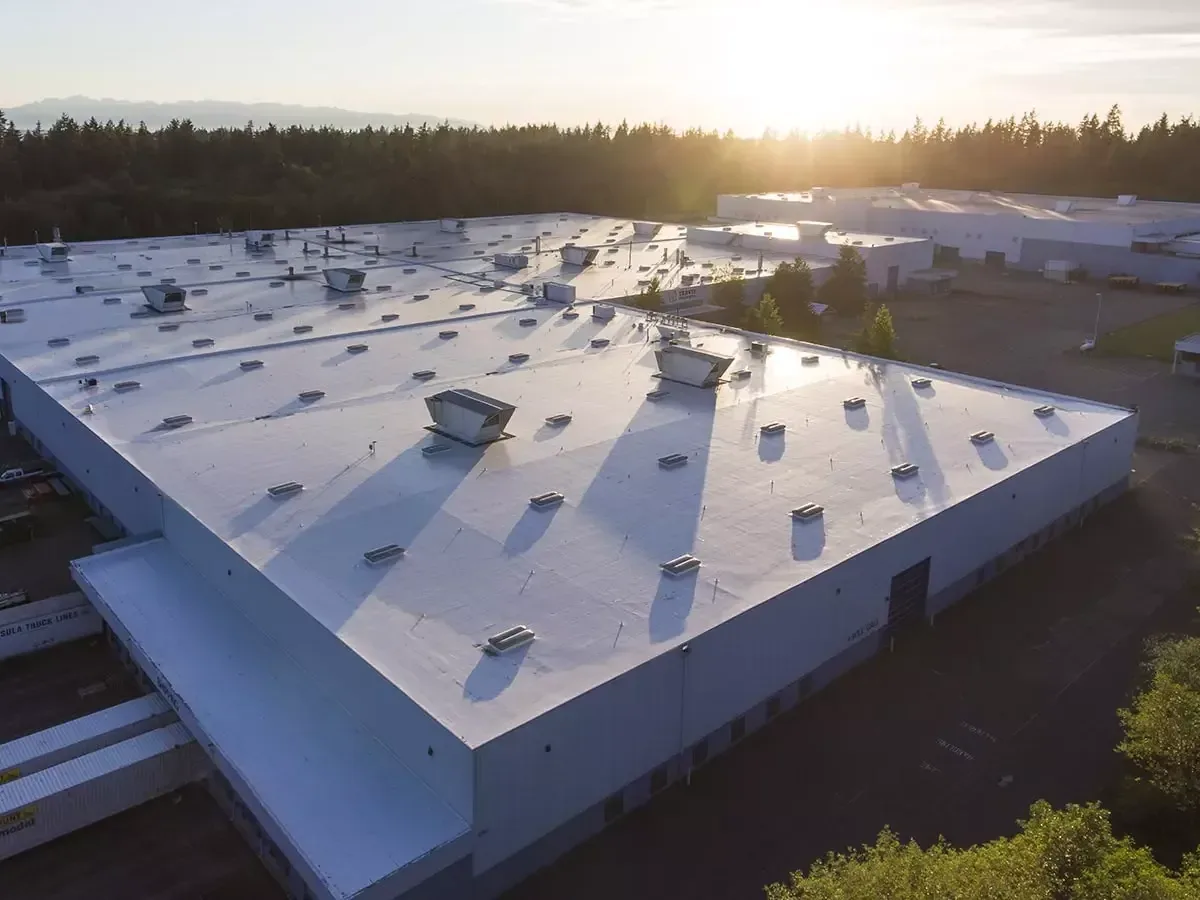
Affordable Roofing Systems is your trusted TPO roofing contractor in Tampa Bay. With 25+ years of industry experience, our team evaluates and maintains commercial TPO roofing systems with attention to the membrane, seams, drainage, insulation, and rooftop details.
We provide residential and commercial roofing solutions, including roof repair, replacement, installation, and condition evaluations. For TPO roofs, the right maintenance plan depends on the building, roof assembly, current condition, and written manufacturer requirements.
Quality materials matter, but so do correct installation, compatible repair methods, controlled cleaning, and a practical plan for Florida heat, rainfall, debris, and rooftop traffic.
Key Factors That Affect the Cost and Frequency of TPO Roof Maintenance in Tampa Bay
TPO roof maintenance is not priced or scheduled from the membrane name alone. The complete roof area, drainage, access, insulation, condition, and warranty requirements shape the work.
Size of Your Roof
Larger TPO roof areas require more time, access planning, cleaning, and condition review, which can increase the maintenance scope.
Rainfall Frequency
Tampa Bay's rainy periods place more demand on drainage and can increase leaf, branch, and debris accumulation across low-slope roofs.
Dirt and Dust Accumulation
Some TPO roofs need more frequent cleaning when dirt, dust, biological growth, or other contaminants collect on the membrane.
Roof Slope and Drainage Features
Low spots, complex slopes, drains, scuppers, gutters, and downspouts affect how water leaves the roof and where maintenance is needed.
Age and Condition
An older TPO roof or a membrane with previous repairs generally requires closer review than a newer system in good condition.
Access to the Roof
Roof height, equipment, safe access, occupied spaces, and rooftop units can change the labor and planning required for service.
Insulation Type
Polyisocyanurate, expanded polystyrene, extruded polystyrene, and other assemblies respond differently when moisture or damage is present.
Membrane and Assembly Type
The installed membrane, attachment method, cover board, roof deck, previous coating, and repair history shape the appropriate maintenance method.
Warranty Requirements
Written manufacturer and contractor terms may specify inspection, cleaning, documentation, or approved repair requirements for the roof.
Wind or rain damage after a storm? Explore storm damage roof restoration.
Signs Your TPO Roof Needs Attention
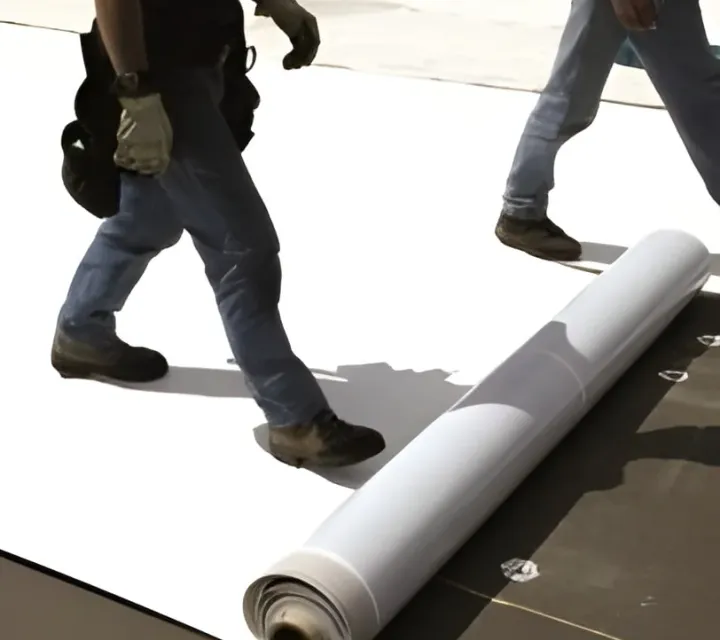
A TPO roof may still be serviceable when the membrane and insulation are in good condition, but water entry, punctures, separated seams, damaged flashing, or widespread wet insulation require prompt evaluation.
- Water entering the roof insulation or appearing inside the building
- Punctures, cuts, or surface damage in the TPO membrane
- Separated seams or changes around welded transition areas
- Damaged, loose, or deteriorated flashing around roof details
- Standing water, slow drainage, or repeated debris accumulation
- Older TPO roofing that needs closer condition monitoring
Seeing an active leak, an open seam, or membrane damage? Request a commercial roof condition evaluation.
Does Your TPO Roof Need Maintenance, Repairs, or Replacement?
A roof in good overall condition may need cleaning, drainage care, or monitoring. Localized membrane, seam, or flashing damage may be repairable. Widespread wet insulation, recurring leaks, or broad deterioration may make replacement planning more practical.
Routine care can be coordinated with a broader roof maintenance or roof inspectionplan when the property has multiple roofing systems.
Maintenance or repair may fit when:
- The membrane is in good overall condition and the concern is limited to debris, drainage, or routine care
- A puncture, seam, or flashing concern is isolated and the surrounding assembly remains serviceable
- Moisture has not spread widely through the insulation or supporting roof assembly
Replacement planning may fit when:
- Wet insulation or membrane deterioration is widespread across the roof area
- Leaks, seam failures, or repairs continue to recur in multiple areas
- The existing assembly cannot support a durable repair that follows current code, manufacturer, and project requirements
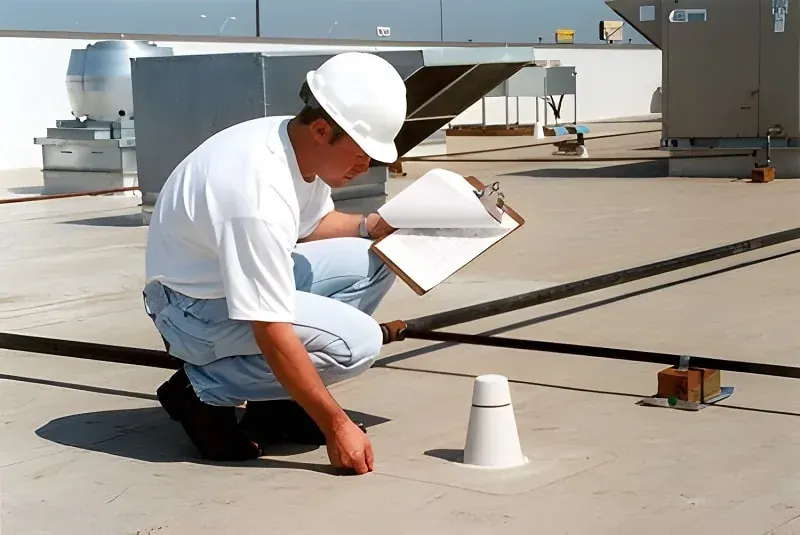
A professional TPO roof evaluation can document the visible condition of the membrane and help determine whether commercial roof repair or a broader replacement plan is appropriate for the building.
Benefits of Working With a Licensed and Insured TPO Roofing Contractor
Building owners protect their investment by choosing a contractor who can evaluate the complete TPO assembly, use compatible methods, explain the scope, and account for current safety, code, warranty, and permit requirements.
Protect Written Warranty Requirements
A qualified contractor can review the roof condition and help building owners follow the current written care and repair requirements for the installed system.
Use Roof-Specific Workmanship
TPO seams, flashing, penetrations, insulation, and drainage details require methods suited to the exact membrane and assembly.
Plan for Codes and Permits
A Florida roofing contractor can identify when maintenance remains routine and when repair or replacement work may involve current code or permit requirements.
Confirm Insurance and Safety Practices
Commercial roof access and membrane work involve fall, equipment, runoff, and occupied-building risks that should be addressed before service begins.
Receive a Clear Estimate
The scope should explain the observed condition, recommended work, materials, and next steps rather than relying on a one-size-fits-all maintenance package.
Understand TPO System Options
An experienced commercial roofer can explain how membrane type, color, attachment, insulation, and roof use affect the maintenance plan.
Use Compatible Materials and Equipment
Cleaning products, coatings, patches, adhesives, and tools should be compatible with the installed membrane and current manufacturer guidance.
Affordable Roofing Systems provides condition-based TPO roof maintenance, repair, installation, and replacement guidance for commercial properties across Tampa Bay.
Learn More About UsSteps to Maintain Your TPO Roof
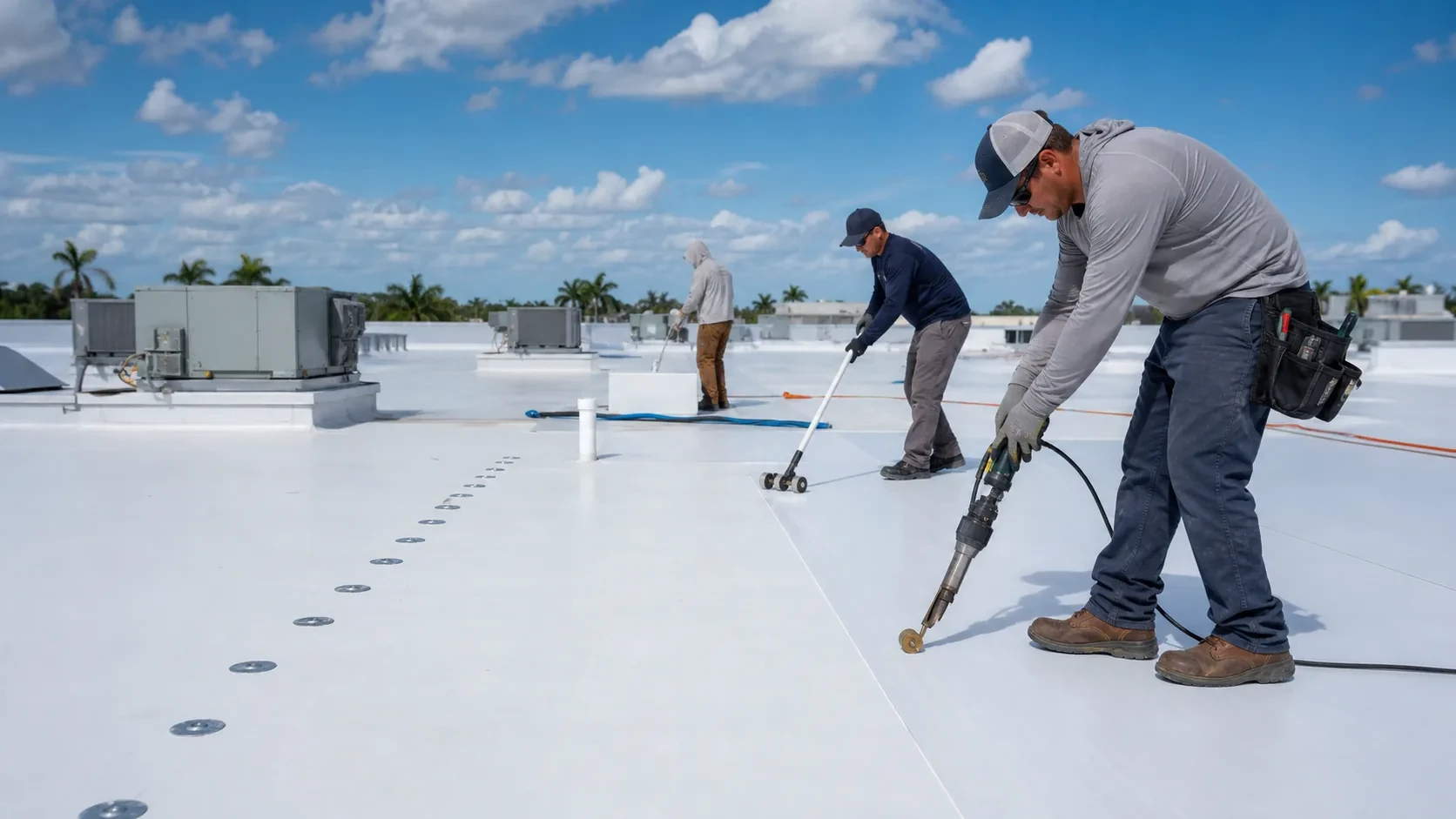
The legacy maintenance sequence remains useful when it is treated as a professional, membrane-specific process instead of a universal do-it-yourself recipe.
- Step 1
Protect vulnerable details
Before cleaning begins, protect base flashing, low curbs, penetrations, and other areas where water could enter the roof assembly.
- Step 2
Remove large debris carefully
Branches, leaves, and other large debris should be removed without puncturing, cutting, or dragging sharp material across the TPO membrane.
- Step 3
Use membrane-compatible cleaning methods
Use the manufacturer-approved pressure, cleaner, and equipment for the exact membrane instead of assuming one pressure or household product is suitable for every roof.
- Step 4
Work toward drainage points
A soft-bristle tool may be used where approved, with debris and rinse water directed toward clear drains without forcing material into blocked outlets.
- Step 5
Rinse the membrane completely
Remove remaining dirt and cleaning solution while controlling runoff around landscaping, walls, and other surfaces below the roof.
- Step 6
Inspect seams and transition areas
After service, review seams, flashing, curbs, penetrations, drains, and any location where the membrane shows a visible change or damage.
How maintenance timing is determinedTPO maintenance frequency depends on roof size, rainfall, debris, drainage, access, age, membrane condition, insulation, warranty terms, and significant weather events.
Need a TPO Roof Evaluation?
A roof-specific assessment can identify drainage, membrane, seam, flashing, and insulation concerns before the recommended maintenance or repair scope is prepared.
What TPO Roof Maintenance Can Include
The exact service depends on the roof condition and manufacturer requirements, but a complete evaluation considers the membrane surface, seams, flashing, drainage, insulation, and surrounding rooftop details.
- Visible assessment of TPO membrane condition, seams, and transition areas
- Review of flashing, curbs, penetrations, drains, gutters, and downspouts
- Removal planning for leaves, branches, dirt, and other accumulated debris
- Cleaning recommendations based on the membrane manufacturer and roof condition
- Evaluation of punctures, open seams, visible leaks, and localized damage
- Assessment of drainage patterns and areas where water may collect
- Review of signs that moisture may have reached insulation or the roof assembly
- Repair, monitoring, or replacement recommendations with an outlined estimate
TPO Insulation, Membrane, and Warranty Considerations
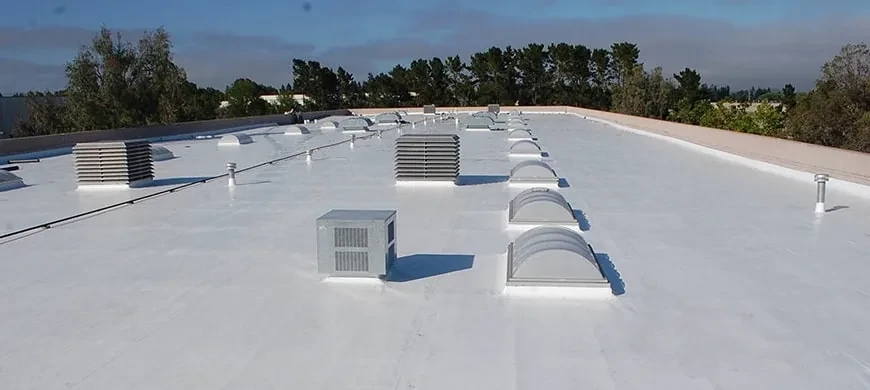
The legacy page identified polyisocyanurate, expanded polystyrene, and extruded polystyrene as common insulation categories. The installed insulation and assembly must be confirmed before maintenance or repair methods are selected.
Cleaning, drainage care, monitoring, or localized repairs may help the system continue to perform when the membrane and supporting components remain in suitable condition.
Wet insulation, recurring leaks, open seams, damaged flashing, or widespread deterioration can expand the scope beyond routine maintenance.
Rolled and single-ply membranes may be straightforward to access in some conditions, but repair complexity depends on the exact product, attachment, age, previous work, rooftop equipment, and damage location.
GAF EverGuard and other TPO warranties are governed by the written terms for the installed system. Building owners should confirm the warranty period, inspection obligations, maintenance records, and approved repair materials before work begins.
TPO Roof Maintenance Tips for Tampa Buildings
Routine maintenance supports TPO performance by keeping drainage paths clear, limiting contaminant buildup, and identifying membrane or flashing changes early. The schedule should respond to rainfall, debris, roof slope, access, age, rooftop traffic, and the written requirements for the installed system.
Because TPO can be slippery and cleaning runoff can affect walls, landscaping, and groundwater, building owners should avoid treating roof access and washing as ordinary ground-level maintenance.
Before Cleaning or Service
- Trim or manage branches that can strike the membrane or load drains with debris
- Protect flashing, low curbs, penetrations, facades, landscaping, and runoff areas
- Confirm fall protection, access controls, and local requirements before anyone enters the roof
- Review current manufacturer instructions before choosing cleaners, brushes, pressure, or coatings
During and After Service
- Remove loose debris without dragging sharp material across the membrane
- Use non-abrasive, membrane-compatible methods and rinse cleaning solution completely
- Clear gutters, downspouts, drains, and scuppers without forcing debris into the drainage system
- Inspect seams, flashing, curbs, penetrations, and any incidental damage after cleaning
VIDEO GUIDE
Watch this video to learn more about moss removal.YouTube loads only after you choose play, so this page stays lightweight while you review routine TPO care.
TPO vs. EPDM: Choosing a Membrane for Your Building
TPO and EPDM are single-ply membrane systems used on many commercial and low-slope roofs. TPO is a thermoplastic membrane whose seams are commonly heat welded; EPDM is a synthetic rubber membrane whose seams and attachment methods depend on the selected system.
The better choice depends on the roof geometry, existing assembly, attachment method, climate exposure, rooftop activity, color and reflectance goals, repair access, written product documentation, warranty, and complete installed cost.
TPO Considerations
- Heat-welded seams require trained installation and compatible repair equipment
- Reflective color options and product-specific ratings should be compared for the actual project
- Membrane formulation, thickness, cover board, attachment, and heat exposure can affect performance
- Localized repairs may be possible when the surrounding membrane and insulation remain serviceable
EPDM Considerations
- EPDM is a synthetic rubber membrane with a long history in commercial roofing
- Seams, adhesives, tapes, attachment, and coatings should be reviewed for the exact system
- Temperature, ultraviolet exposure, rooftop use, and maintenance history affect roof-specific performance
- Color, reflectance, warranty, and total installed scope should be compared instead of relying on a material name alone

VIDEO GUIDE
Watch this to learn more about proper roof maintenance and its benefits to your roof.YouTube loads only after you choose play, so this page stays lightweight while you compare commercial roofing options.
TPO Roof Repair Depends on the Membrane and What Is Below It
The source articles emphasized that a damaged TPO area can sometimes be cut out and replaced with compatible membrane. That remains a useful repair concept, but the repair must account for the product, age, contamination, seam preparation, wet insulation, attachment, flashing, and current manufacturer instructions.
A localized patch is not a complete answer when moisture has spread through the insulation, seams continue to fail, drainage remains unresolved, or the surrounding membrane can no longer support a durable weld or approved repair.
A Localized Repair May Address
- An isolated puncture or cut with serviceable material around it
- A limited seam or flashing concern that can be prepared and repaired correctly
- Incidental damage found during cleaning or a scheduled condition review
A Broader Scope May Be Needed For
- Widespread wet insulation or recurring interior water entry
- Multiple seam, flashing, or membrane failures across the roof
- Drainage, attachment, deck, or rooftop-equipment conditions that a surface patch will not correct
TPO Roof Maintenance FAQs
Straight answers about maintenance frequency, membrane cleaning, repair-versus-replacement decisions, and the differences between TPO and EPDM.
How Often Does a TPO Roof Need Maintenance?
There is no single maintenance interval for every TPO roof. The schedule should account for roof size, rainfall, debris, drainage, rooftop traffic, access, age, membrane condition, insulation, significant weather events, and the written requirements for the installed system and warranty.
How Should a TPO Roof Be Cleaned?
Protect flashing, curbs, penetrations, walls, landscaping, and runoff areas; remove loose debris without damaging the membrane; and use only cleaning products, pressure, brushes, and procedures allowed by the current manufacturer guidance. Because TPO can be slippery and roof access involves fall risk, consult a qualified roofing professional before attempting cleaning or walking on the roof.
Can a TPO Roof Be Repaired Instead of Replaced?
Localized punctures, seams, or flashing concerns may be repairable when the surrounding membrane and insulation remain serviceable. Widespread wet insulation, recurring leaks, multiple failures, or an assembly that cannot support a durable manufacturer-compatible repair may require a broader replacement scope.
What Is the Difference Between TPO and EPDM Roofing?
TPO is a thermoplastic membrane whose seams are commonly heat welded, while EPDM is a synthetic rubber membrane whose seams and attachment methods depend on the selected system. The right choice depends on the roof assembly, climate exposure, rooftop use, reflectance goals, repair access, written product documentation, warranty, and complete installed scope.
Schedule TPO Roof Maintenance in Tampa Bay
Affordable Roofing Systems evaluates commercial TPO membranes, seams, flashing, drainage, insulation, and rooftop details so building owners can understand the recommended maintenance, repair, or replacement scope.
Get started today:Visit or contact usAffordable Roofing Systems9511 N Trask St Suite A, Tampa, FL 33624Contact our Tampa commercial roofing team for a free estimate.