CertainTeed vs. GAF Shingles: How to Compare Roofing Systems
Compare shingle systems by the home, written scope, installation details, warranty documents, and future service plan—not only the brand name...

Table of Contents
CertainTeed and GAF are both familiar names in residential roofing, so it is natural to begin a replacement conversation by asking which brand is better. The more useful question is which proposed roofing system fits this particular home, the owner’s priorities, and the scope the contractor is prepared to stand behind. A brand name can narrow the discussion, but it cannot replace a documented plan for the whole roof.
A finished asphalt roof is a coordinated assembly. The visible shingles matter, but so do the deck condition, underlayment, flashing, ventilation, starter and ridge components, fasteners, drainage details, and workmanship. Two quotes can each name a respected manufacturer while describing different systems, different preparation work, or different responsibilities if concealed conditions are found.
This guide gives homeowners a practical way to compare CertainTeed and GAF proposals without treating either label as a universal answer. It focuses on product fit, system details, documentation, installation, and long-term service questions you can use in a real estimate conversation.
Start With the Home and the Scope
A fair comparison begins with the roof you actually have. Pitch, roof area, valleys, hips, wall transitions, chimneys, skylights, low-slope connections, attic conditions, drainage, access, and deck condition can all affect the right scope. The same shingle line can involve a very different project on a simple roof than on a roof with detailed geometry or previous water-entry concerns.
Before choosing a manufacturer, establish whether the work is a targeted repair, a replacement using a similar covering, or a more extensive project. A proposal should identify what is included beneath and around the shingles as clearly as it identifies the surface product. If a quote cannot explain the layers, flashing, transitions, and site work, a comparison of brand brochures will not close that gap.
A professional roof inspection gives the comparison a factual starting point. It helps the homeowner understand what was observed, what should be verified before work begins, and which conditions could change a scope after old materials are removed.
Compare the Specific Products, Not Only the Brand
Neither CertainTeed nor GAF is one single shingle. Each manufacturer offers product families with different visual profiles, colors, documented features, accessory compatibility, and warranty language. A broad question such as “CertainTeed or GAF?” becomes much clearer when each proposal names the exact product line, color, accessory system, and installation approach.
Ask the contractor to explain why the selected shingle suits the roof’s shape, architectural style, budget, and expected service needs. A dimensional appearance may matter to one homeowner; a specific color range, available matching components, or the ability to work around complex roof details may matter more to another. Those priorities are legitimate, but they should be tied to the actual product being quoted.
Our architectural shingle roofing overview explains the system-level conversation behind a shingle project. The related architectural asphalt shingles guide can help you separate the visible design choice from the roof assembly that supports it.
The System Components Deserve Equal Attention
Shingles are the weathering surface, but water management depends on details throughout the roof. Underlayment, flashing at walls and penetrations, valley treatment, starter and ridge components, pipe boots, edge metal, ventilation, and attachment methods need to work together. These elements should be identified in a written scope, particularly where the roof changes direction or meets another material.
When comparing quotes, ask whether each manufacturer’s compatible accessories are included and whether any substitutions are proposed. Compatibility is not a marketing detail; it is part of understanding what the installer is committing to install. If one proposal includes clearly named components and another only says “install new roof,” the totals do not represent the same work.
Deck repairs are another point where a careful scope helps. Contractors often cannot confirm every concealed condition before removal begins, but a good proposal can explain how deck concerns will be documented, approved, and priced if they are discovered. That protects the homeowner from confusing a necessary field condition with an unexplained addition.
Read Warranty Language for the Exact System
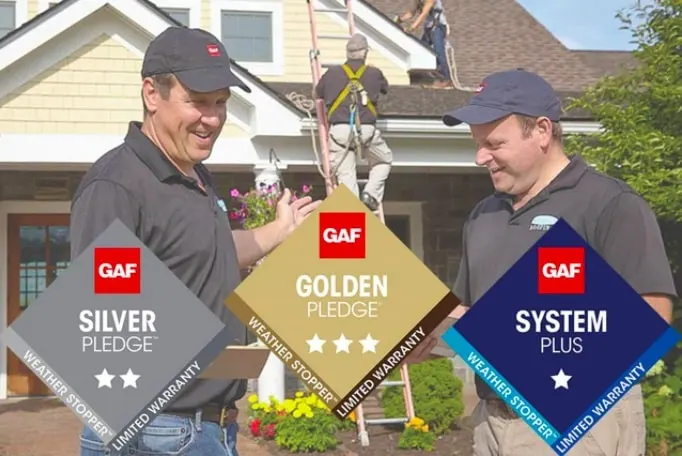
Warranty terms are often the first reason homeowners compare CertainTeed and GAF, but a large term printed on a brochure does not tell the complete story. Coverage can vary by product, accessory requirements, installation method, registration, exclusions, transfer terms, and whether a separate workmanship commitment is involved. The current manufacturer documents are more important than a generalized warranty claim.
Ask for the warranty documents that apply to the exact system in the quote, then read them alongside the contract. Confirm who provides each part of the coverage, what actions a homeowner must take, what records should be kept, and what conditions may affect eligibility. It is reasonable to ask the contractor to explain the documents; it is not reasonable to rely on a verbal shorthand in place of them.
A warranty also does not replace sound installation and maintenance. It is one part of a decision that should include the proposed scope, contractor communication, product documentation, and a realistic plan for caring for the roof after the project is complete.
Installation Quality and Project Records Matter
The best-selected shingle cannot compensate for a scope that overlooks flashing, ventilation, drainage, or workmanship details. Ask how the contractor will protect the property, manage tear-off and cleanup, address weather during the work, document deck repairs, and communicate change orders. Clear answers make it easier to compare contractors even when the two proposals name the same manufacturer.
Keep a project folder after installation. It should contain the signed agreement, product names, color, warranty and registration materials, permits where applicable, invoices, approved change orders, and photos or notes supplied during the work. Those records are useful if a future service question arises, if a sale is planned, or if another professional needs to understand the existing roof system.
Ongoing roof maintenance supports both the roof and the records around it. Addressing visible changes, keeping drainage paths clear, and seeking a professional assessment after a significant concern can prevent a small issue from becoming an unclear history later.
Compare the Written Proposals Line by Line
The most helpful comparison tool is a written proposal that lets you see the whole project. Put both scopes side by side and look beyond the manufacturer name: tear-off and disposal, deck allowances or process, underlayment, flashing, ventilation, accessories, permits, property protection, cleanup, payment schedule, workmanship terms, and change-order process all belong in the review.
A full roof replacement is a construction project, not a product checkout. The estimate should say what will happen to the existing roof and how the new system will be built, rather than asking you to infer those details from a shingle name or a single total.
If timing of payment affects your decision, review available financing options after you understand the written scope. Financing can help organize a project budget, but it should not distract from confirming that the proposed work, product, and documentation are the right fit for the home.
Questions to Ask Before Choosing
- Which exact shingle product, color, and compatible system components are included?
- What do you recommend for this roof’s deck, drainage, ventilation, valleys, flashing, and transitions—and why?
- How will concealed deck or substrate conditions be documented and approved if they are found?
- Which current manufacturer and workmanship documents apply to this exact proposal?
- What records should I retain after the work is complete?
Make a System-Level Decision
There is no useful winner in a CertainTeed-versus-GAF comparison without a specific home, product, scope, and installation plan. Either brand may be part of a well-considered proposal when the selected system fits the roof and the contractor can explain its details. The better decision is the one supported by an inspection, a complete written scope, current documents, and a transparent conversation about future service.
If you are comparing options for your home, bring the proposals, product names, and questions to an estimate appointment. A system-level review can help you understand the differences before you choose—not after materials have arrived on site.
Comparing roofing systems?
Discuss Your Shingle System Options
Request a free roofing estimate from Affordable Roofing Systems to review your roof condition, compare complete shingle-system scopes, and understand the documents behind your options.
Schedule a free roofing estimate