Tile Roof vs. Asphalt Shingles: How to Compare the Two
Choose between tile and asphalt shingles by comparing your home’s structure, the complete roofing system, written scope, and future service needs...

Table of Contents
- Begin With the Home, Not the Material Ranking
- Understand Tile as a Complete System
- Understand Asphalt Shingles as a Complete System
- Compare Project Cost as a Full Scope
- Weather, Heat, and Warranty Questions Need Specific Documents
- Plan for Maintenance and Future Service
- Choose the System That Fits the Home
Tile and asphalt shingles can both be appropriate choices for a Florida home, but they are not interchangeable coverings. Each brings a different visual character, system design, installation approach, cost structure, and future service conversation. Choosing well means looking beyond a material preference to understand what the selected roof requires from the home underneath it.
The strongest comparison does not ask which material wins in every situation. It asks which complete roofing system fits the property’s framing, deck, slope, geometry, drainage, architectural goals, budget, and long-term plans. A tile roof may call for a different structural and detailing review; a shingle system may offer a different product and repair conversation. Neither option should be evaluated by the visible surface alone.
Use this guide to organize the questions that matter before you compare quotes. It is designed to help homeowners turn a broad material decision into a clear discussion about scope, documentation, and the specific home involved.
Begin With the Home, Not the Material Ranking
Roof pitch, truss or framing design, deck condition, valleys, hips, ridges, penetrations, low-slope transitions, drainage paths, attic conditions, and site access all influence a replacement. These details may change the work required even when two homes have similar square footage or a similar style from the street. A material comparison becomes useful only once those property-specific conditions are understood.
A switch from asphalt shingles to tile can involve more than selecting a new profile. The proposed system may need a structural review, different attachment or edge details, changes in underlayment and flashing, and a plan for accessing and servicing the roof later. A replacement with asphalt shingles also needs its own complete scope rather than a generic assumption that all shingle installations are alike.
A professional roof inspection helps establish the facts that belong in the comparison. It allows the homeowner to discuss the observed roof condition and the next appropriate scope before assuming that an online material ranking can answer for a specific house.
Understand Tile as a Complete System
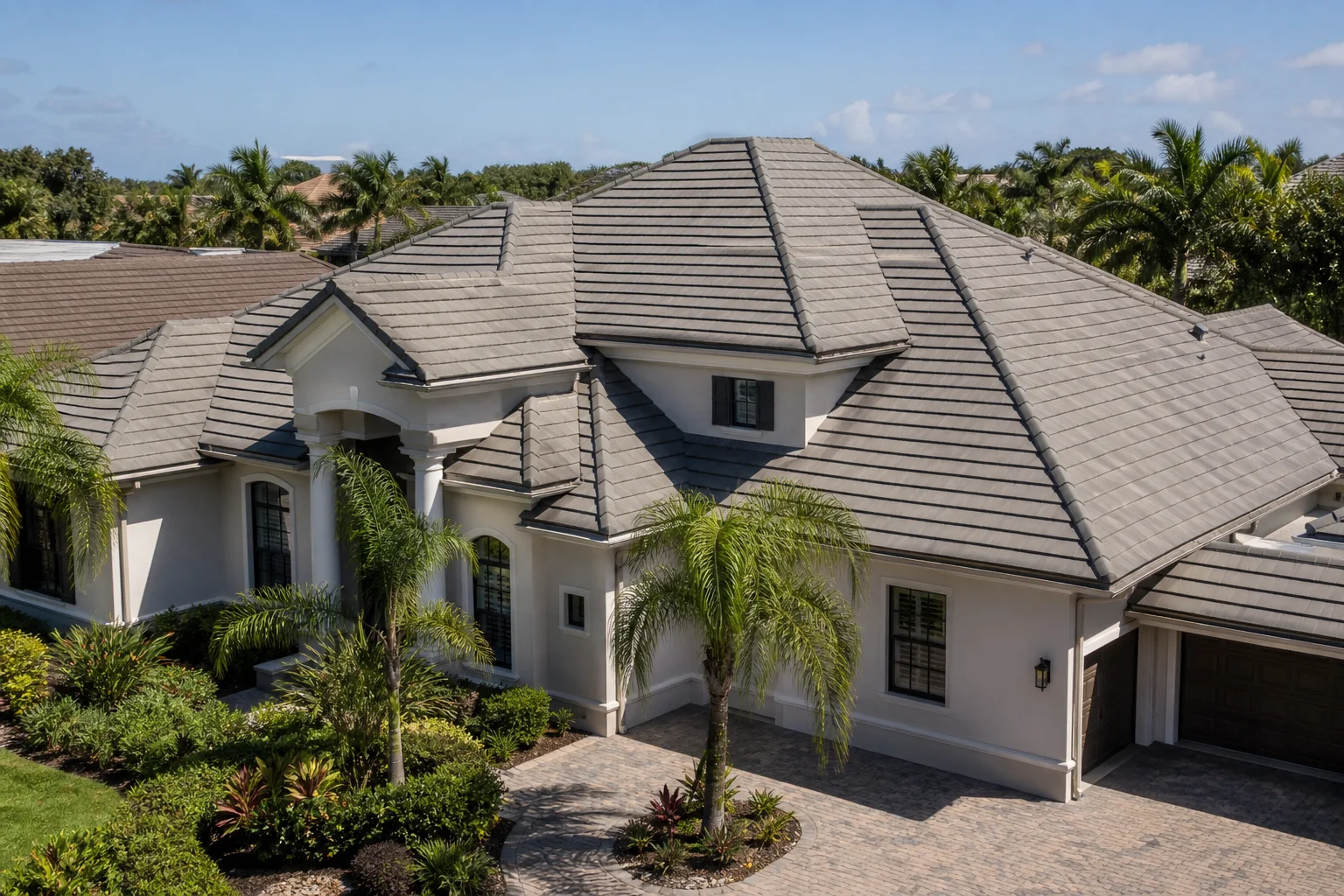
Tile is often chosen for its profile and architectural character, but the visible pieces are only part of the roof. The deck, underlayment, flashing, attachment details, edges, ridges, penetrations, drainage, and the condition of the supporting structure all contribute to how the system manages water and how it can be serviced. A tile proposal should explain those layers and details rather than treating the surface material as the whole job.
Weight is an early planning question with tile. The home must be evaluated for the proposed system rather than assumed to be suitable because it currently has another type of roof. Roof slope and geometry matter too: valleys, transitions, roof-to-wall intersections, and access points need a material-specific plan. A contractor should be able to describe what has been reviewed and which details will be addressed in the written scope.
Our tile roofing overview explains the service and replacement questions that can arise with tile systems. In a comparison, the key idea is simple: the selected tile must be supported by a complete design for the home, not only an attractive sample.
Understand Asphalt Shingles as a Complete System
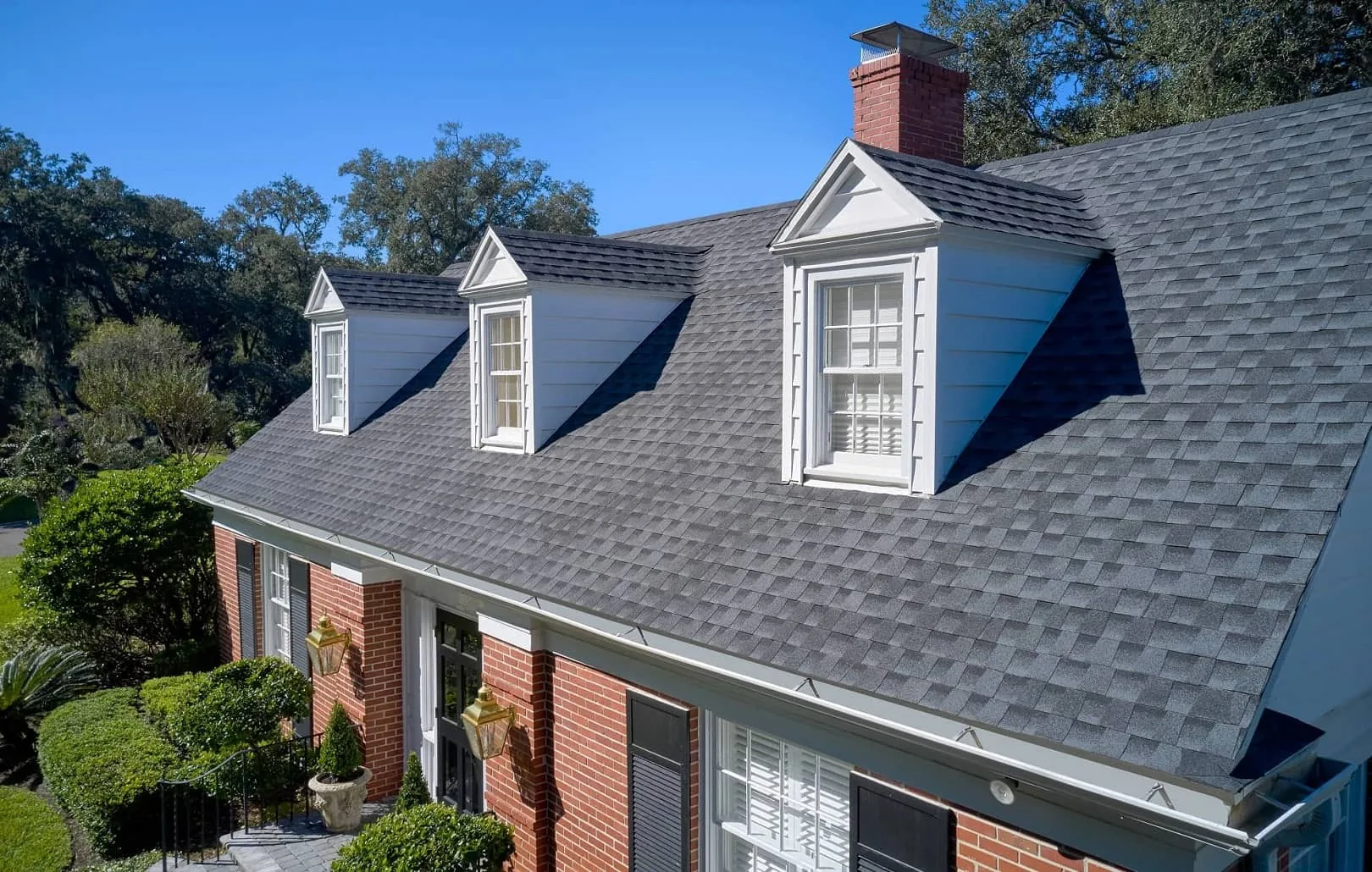
Asphalt shingles are a familiar residential roofing choice with a broad range of profiles, colors, and product options. Their modular format can suit many roof shapes, including roofs with hips, valleys, dormers, or other changes in plane. That flexibility does not mean every shingle proposal has the same scope; the selected product and the details behind it still matter.
A sound shingle system depends on the deck, underlayment, flashing, starter and ridge components, ventilation where applicable, edge treatment, fastener pattern, and drainage. Ask each contractor to name the components and explain how the roof’s transitions and penetrations will be handled. A lower materials number is not a fair comparison if it removes the details needed to complete the system.
For homeowners considering a traditional roofing profile, architectural shingle roofing offers a starting point for material-specific service questions. Our concrete tile vs. asphalt shingles guide adds a deeper look at the system-level distinctions between concrete tile and shingles.
Compare Project Cost as a Full Scope
Tile and asphalt shingles often begin with different material and installation cost profiles, but neither can be reduced to a universal price per square. Roof area, pitch, complexity, number of stories, tear-off and disposal, deck repairs, underlayment, flashing, ventilation, access, permits, material profile, and surrounding fascia or gutter work can all shape the finished scope.
Changing materials may add work before the visible roof covering is installed. If tile is under consideration, ask what evaluation or preparation the home needs and whether it is included. If shingles are under consideration, ask which product line and compatible system components are included. The most useful total is one that is supported by a scope you can actually compare line by line.
A comprehensive roof replacement proposal should show the work behind the total. If payment timing is important, review available financing options after you understand what the project includes. Financing can organize a budget; it should not replace a clear scope comparison.
Weather, Heat, and Warranty Questions Need Specific Documents
Florida homeowners rightly ask about sun, heat, wind-driven rain, storms, and fire classifications. The responsible answer depends on the exact product, approved or tested assembly, attachment and edge details, roof geometry, local requirements, and the structure beneath the roof covering. A material label alone does not guarantee a particular result on every property.
Energy planning should receive the same care. Tile may create air space within its design, while a specific shingle color or product may carry its own documented information. Indoor comfort and energy use also involve attic ventilation, insulation, air sealing, windows, HVAC equipment, shade, and household patterns. Ask for product-specific documentation and avoid promises that a roofing material alone will produce a particular utility outcome.
Warranty language also varies by manufacturer, product line, installation path, accessory requirements, registration, exclusions, and workmanship agreement. Request the current documents for the exact system in your estimate, then confirm what is covered, who provides it, and what records you should retain.
Plan for Maintenance and Future Service
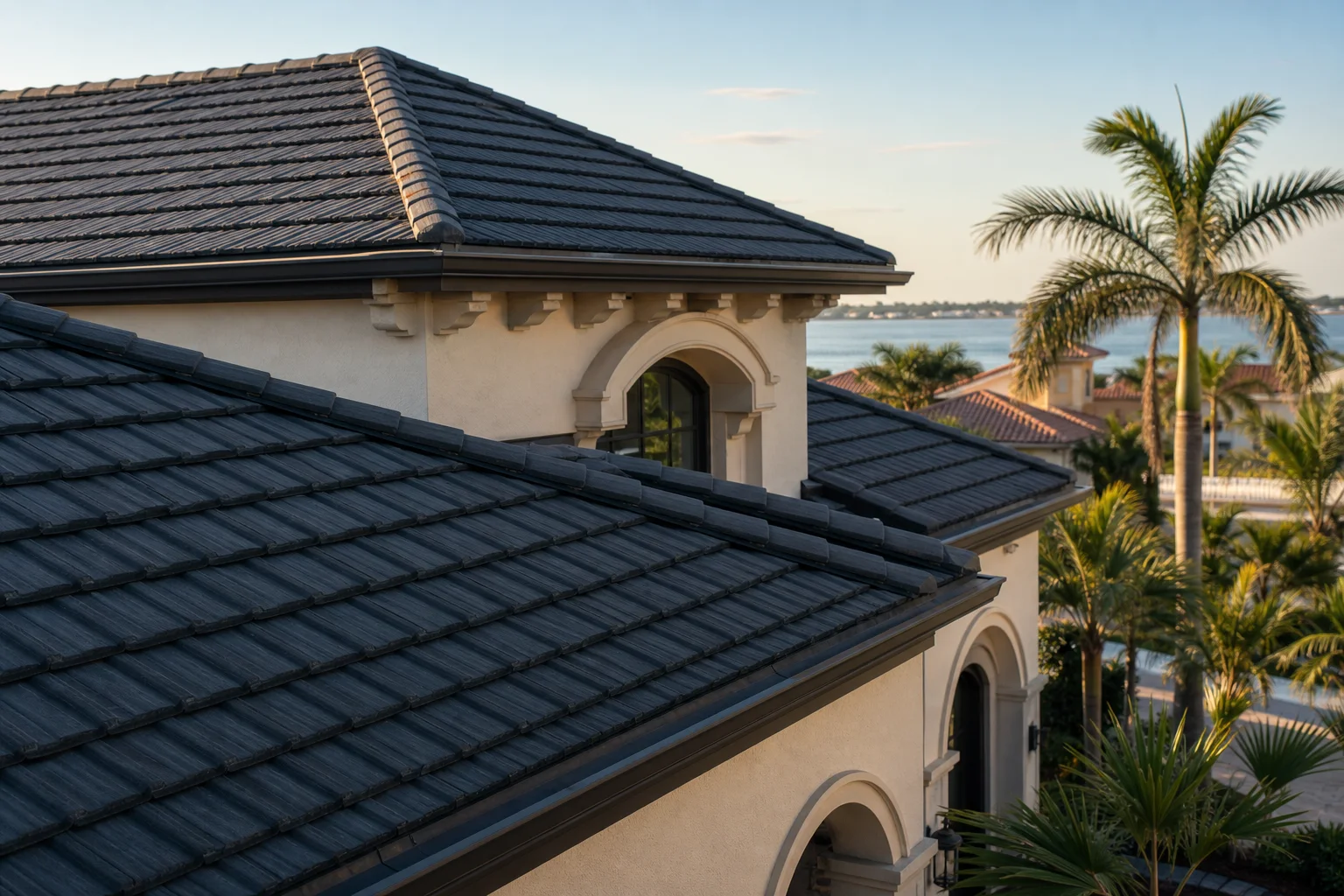
Long-term service is part of the material decision. Tile may require a careful approach to access and localized replacement if an issue occurs; shingles may have their own questions about matching, weathering, product availability, and the extent of a repair. In both cases, underlayment, flashing, fasteners, penetrations, and other system components deserve attention alongside the surface material.
Consistent roof maintenance makes it easier to address observed changes before a water-management issue becomes larger or harder to trace. Keep project records, notice changes from the ground or inside the home, and ask a qualified professional how an issue should be evaluated rather than assuming that a material’s reputation tells the whole story.
A lasting decision is one you can support with documents: the selected material and color, the full scope, permit and warranty records where applicable, workmanship terms, and notes about future service. Those records help preserve the reasoning behind the choice and make later conversations more informed.
Questions Before Choosing Tile or Shingles
- What do this home’s framing, deck, roof slope, drainage, and geometry require for each system?
- Which underlayment, flashing, ventilation, edge, ridge, and accessory details are included in each quote?
- How will concealed deck or structural conditions be documented and approved if they are found?
- Which current product and warranty documents apply to the exact system proposed?
- What future access, maintenance, and repair approach should I expect with this system?
Choose the System That Fits the Home
Tile and asphalt shingles are not competing labels in a vacuum. The better choice is the roofing system that fits the home’s structure, design goals, budget, and service plan—and that is explained clearly in a complete written proposal. A visible sample is the beginning of the conversation, not the final proof that the project is right for the property.
If you are weighing tile against shingles for your home, bring your questions and existing roof information to an estimate appointment. A property-specific review can help you compare the actual work each option requires before you choose a direction.
Considering tile or shingles?
Compare Tile and Shingle Options
Request a free roofing estimate from Affordable Roofing Systems to review your home’s roof structure, compare complete system scopes, and choose the direction that fits your property.
Schedule a free roofing estimate