How Much Does Roof Repair Cost in Tampa, FL?
Learn how leak tracing, roof access, materials, and hidden conditions shape a Tampa repair estimate before you compare written scopes...
Table of Contents
- Start With a Scope, Not a Single Average
- Tampa Roof Repair Cost: Practical Planning Bands
- What Actually Drives the Estimate
- A Ceiling Stain Does Not Identify Its Own Source
- Roofing Material, Matching, and Access Change the Work
- Emergency Timing, Permits, and Hidden Conditions
- Repair Versus Replacement: Test the Scope
- Compare Written Estimates Line by Line
A ceiling stain, lifted shingles, a loose flashing detail, or an active drip can all lead to the same question: how much will the repair cost? In Tampa, there is no honest one-number answer before someone identifies the water path and the work needed to restore it. A small, accessible correction can be very different from a repair that opens several roof layers or finds moisture in the deck.
That does not make cost planning impossible. It means the useful part of an estimate is the scope behind the number: which area is affected, what materials will be opened and replaced, how the repair ties into the surrounding roof, and what could change if concealed conditions are found. A low total without those answers is not automatically a better repair.
This original guide uses current public Tampa market references to establish broad planning bands, then focuses on the questions that make a proposal comparable. The ranges below are not Affordable Roofing Systems prices and are not a quote for any particular home. A roof-specific inspection and written scope are the only way to price the work responsibly.
Start With a Scope, Not a Single Average
The phrase “roof repair” covers many different jobs. It might mean resealing one penetration, replacing a pipe boot, restoring a small shingle area, rebuilding flashing at a wall, opening a valley, repairing a membrane detail, or replacing damaged decking beneath the roof covering. A number that is accurate for one of those jobs can be misleading for another.
A useful roof repair estimate starts by locating the affected assembly and defining the work needed to restore weather protection there. It should distinguish the visible symptom from the repair itself. For example, a ceiling stain may be related to a vent, flashing, a valley, or another area uphill from the stain.
For that reason, use a professional roof inspection to establish the repair path before comparing prices. The goal is not merely to receive a number; it is to understand what that number includes, what it excludes, and what condition of the roof it assumes.
Tampa Roof Repair Cost: Practical Planning Bands
Current public Tampa cost guides place many ordinary repairs in the hundreds or low thousands, while larger sections, difficult access, specialty materials, and hidden wood damage can move a project much higher. Rather than presenting a false average, the bands below organize that public market information by scope. They are a way to prepare questions—not permission to approve work without an inspection.
A contractor may use different terminology or divide work differently, so compare the written scope rather than trying to force every proposal into one row. The same repair category can change when a roof is steep, when materials are difficult to match, or when removing the roof covering reveals moisture-related damage.
| Planning scope | Public-market planning band | What can change it |
|---|---|---|
| Small localized repair, pipe boot, or limited shingle correction | $300–$750 | Access, exact material, number of affected courses, and whether the underlying area is dry |
| Flashing, valley, or leak repair that requires opening and rebuilding a detail | $500–$1,800 | Roof geometry, adjacent materials, water travel, and the extent of the required tie-in |
| Larger damaged section, difficult access, or limited decking-related work | $1,100–$4,500+ | Extent of opening, carpentry, material availability, interior effects, and whether repair remains appropriate |
Use planning bands to ask better questions
Ask which band reflects the documented scope, what assumptions support it, and which site findings could change it. A written estimate should answer those questions before work begins.
What Actually Drives the Estimate
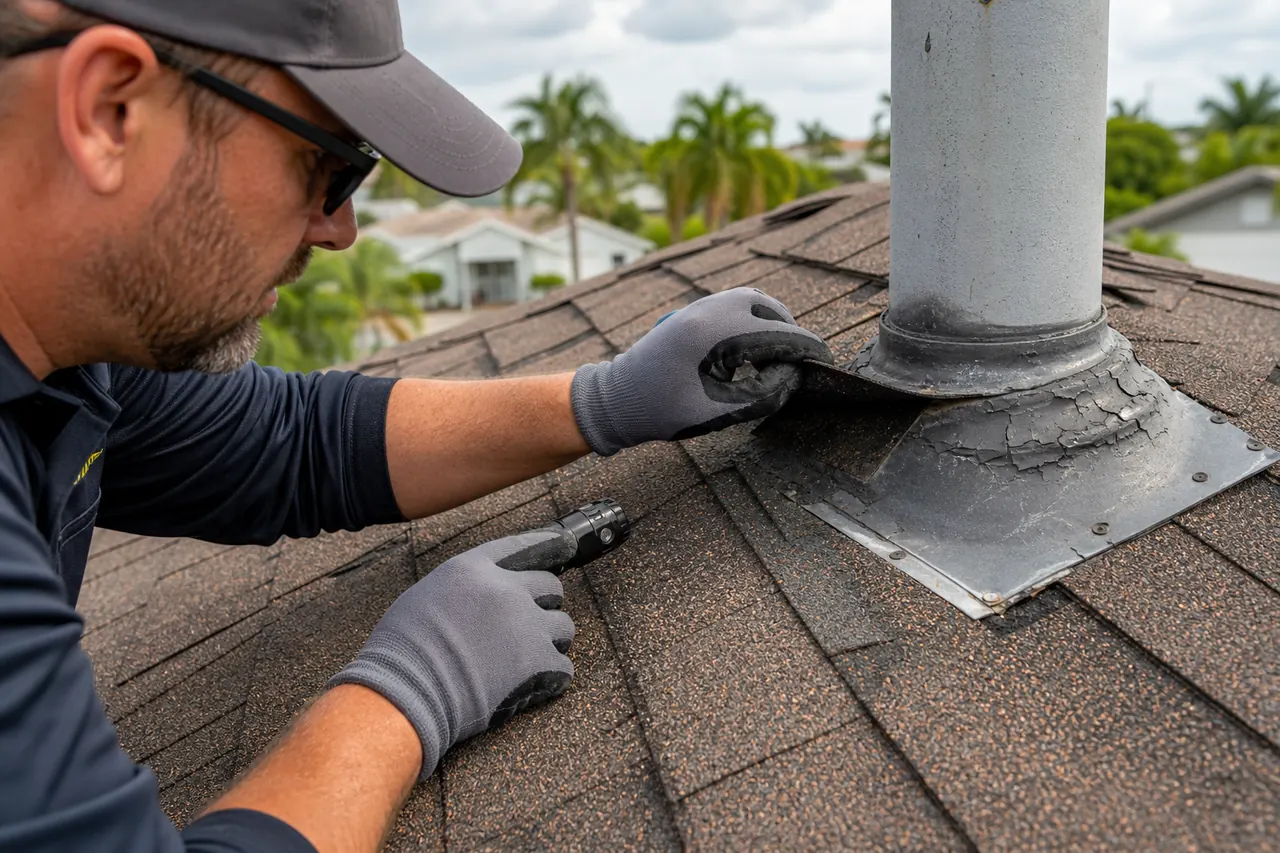
The largest price variable is often how much of the roof system needs to be opened to make a durable repair. Replacing a visible component can be straightforward when the surrounding layers are sound and the water path is clear. It becomes more involved when the repair must remove adjoining material, rebuild a transition, tie new work into older roofing, or address damage below the surface.
Roof pitch, height, access, landscaping protection, and the location of the affected area influence labor and safety planning. A repair at an easily reached roof edge is not the same task as one around a high, steep valley or a crowded roof with solar equipment, skylights, and multiple transitions. The estimate should identify practical access constraints instead of burying them in a vague labor allowance.
The roof type matters as well. Shingles, tile, metal panels, and flat-roof membranes use different repair methods and have different matching, fastening, flashing, and water-management details. Good estimating names the affected material and explains how the proposed repair connects to the existing system.
A Ceiling Stain Does Not Identify Its Own Source
Water can travel along framing, under roof coverings, or across an attic before it becomes visible indoors. That means the spot on the ceiling is an important clue, not a repair diagnosis. Pricing a leak by stain size or by a single photograph can miss the actual entry point and leave the underlying detail unresolved.
A proper review connects the interior clue to the roof surface, flashing, penetrations, drainage, attic conditions, and recent weather history. This is why leak tracing may affect the estimate even when the visible interior symptom looks small. The separate roof leak repair or replacement guide explains how the repair-versus-replacement decision should follow the condition of the full roof, not just one water mark.
If water is actively entering the home, electrical areas may be affected, or the roof has been damaged by a sudden event, prioritize a safe assessment and temporary protection over a remote price comparison. Do not walk a wet or damaged roof to investigate it yourself.
Roofing Material, Matching, and Access Change the Work
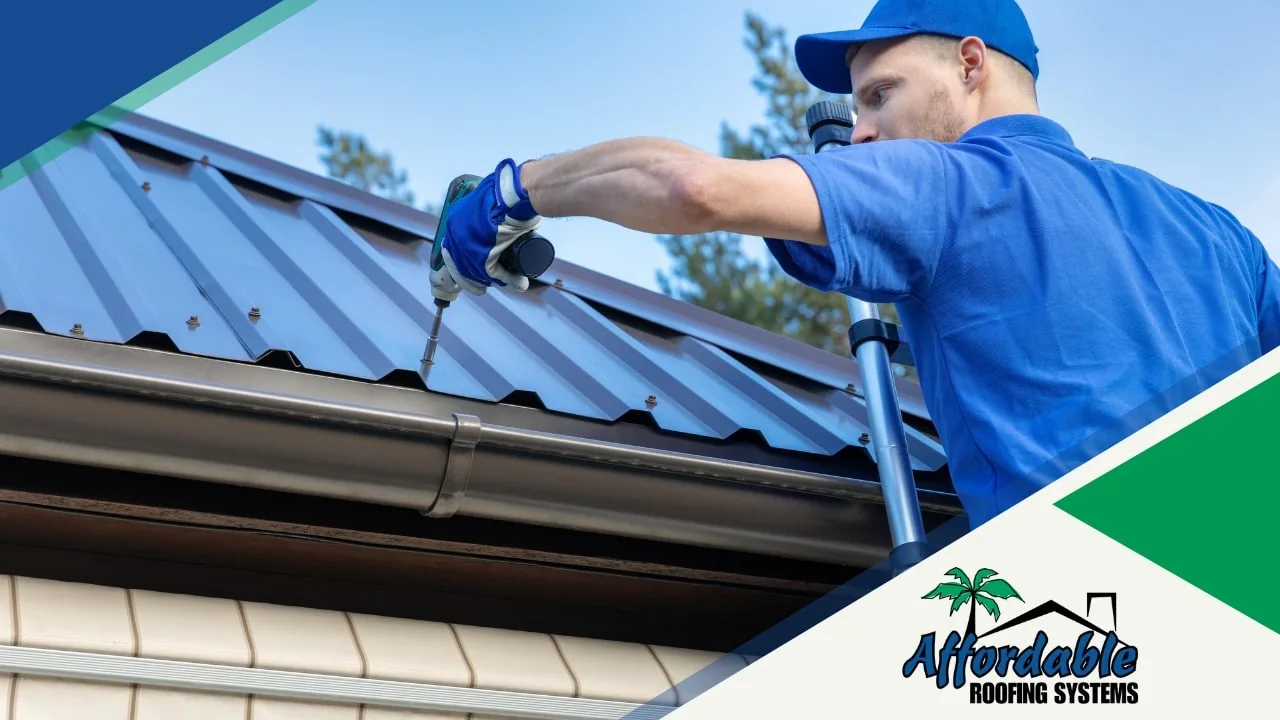
On a shingle roof, the installer may need to lift surrounding shingles and restore the water-shedding pattern around the repair. Color, profile, age, and availability can affect how closely a replacement area blends. A small number of shingles may still require careful work if the affected area is near a transition, valley, ridge, or penetration.
Tile and metal repairs can add different challenges. A cracked tile may be only one part of the issue if the underlayment or fastening below it needs attention. Metal panel repairs may need material-specific details for seams, fasteners, trim, and movement. Flat and low-slope repairs need a clear plan for membrane compatibility, penetrations, drains, and water flow.
Ask whether the estimate assumes matching materials are available, whether the repair will be visually noticeable, and how the work is tied into the existing system. Those answers matter more than a generic “per shingle” or “per square foot” number.
Repair Versus Replacement: Test the Scope
A targeted repair can be a good choice when damage is localized, the surrounding roof is sound, the details can be restored, and the repair meaningfully extends the roof's useful life. It is not automatically the right answer when similar problems recur, materials cannot be reasonably matched, water has affected multiple areas, or the roof is near the end of its serviceable condition.
Do not use a simple percentage of a replacement quote as a universal tipping point. A lower repair price can still be poor value if it leaves widespread problems unresolved; a higher repair price may be appropriate if it restores a localized, otherwise sound system. The relevant comparison is the documented repair scope against the condition and realistic next-step needs of the whole roof.
If the review shows that repair is no longer the sensible path, a complete roof replacement estimate should be a separate, clearly explained scope—not a surprise substitution for the repair you asked about.
Compare Written Estimates Line by Line
When proposals differ, begin with the diagnosis and scope. One contractor may be pricing a surface seal while another is pricing a rebuilt flashing detail and limited decking repair. Those are not equivalent bids, even if both use the word “leak repair.” Ask each contractor to identify the assumed cause, affected components, repair method, materials, cleanup, warranty terms, and any conditions that could require a written change.
Clarify who will perform the work, how the roof and property will be protected, whether permits are included when required, and what documentation you will receive. A clear plan for maintenance after repair also helps protect the investment. Regular roof maintenance can make it easier to spot a developing issue before water reaches more of the assembly.
Questions to Ask Before Approving a Repair
- What is the suspected entry point, and what observations support that conclusion?
- Which roofing layers, flashing details, materials, and access steps are included in the price?
- What happens if concealed moisture, damaged decking, or a broader condition is found after opening the area?
- Does the scope include required permits, material matching, cleanup, warranty information, and final documentation?
Get a scope you can compare
Understand the Repair Before You Approve the Price
Request a free roofing estimate from Affordable Roofing Systems to review the affected area, explain the recommended repair, and receive a clear written next step.
Schedule a free roofing estimate