
How Long Does a Roof Last? A Homeowner’s Guide to Roof Lifespan
A roof’s useful life depends on its material, installation, weather exposure, maintenance, and condition—not one universal expiration date...

Table of Contents
Homeowners understandably want a clear answer to “How long does a roof last?” It helps with budgeting, planning a sale, deciding whether to repair a leak, and making sense of an older home. The honest answer is that a roof does not have one universal expiration date. Its useful service life depends on the selected system, the original installation, weather exposure, maintenance, previous repairs, and the condition of the layers that manage water beneath the visible surface.
A material’s published expectations can be a helpful planning reference, but they are not a diagnosis of a specific roof. Two roofs installed in the same year can age differently when their slope, drainage, attic conditions, coastal exposure, tree cover, storm history, and repair history are different. The goal is not to guess an exact replacement date from a calendar; it is to understand the roof’s current condition and plan the next decision with good information.
This guide explains the questions that influence roof lifespan, the signs that deserve a closer look, and the records that make repair-or-replacement planning more practical. It avoids treating a broad material average as a promise for your home.
Useful Life Is About Condition, Not Only Age
Age is a useful starting point, especially when you know the date of the last replacement and the product that was installed. It is not enough on its own. A younger roof with a persistent flashing issue, poor drainage, storm damage, or installation defects may need attention sooner than an older roof that has been well installed and consistently cared for.
Look at the roof as a system. The surface material is visible, but the deck, underlayment, flashing, penetrations, ventilation, edge conditions, and water paths influence how the roof performs over time. A stain inside the home may be caused by a localized detail; widespread surface wear may point to a different conversation. Neither observation should be treated as a complete diagnosis from the ground.
A professional roof inspection can connect visible evidence to the next appropriate step. It gives you a record of what was observed and helps distinguish between a condition that may be monitored, a focused repair, and a broader planning conversation.
What Shapes How a Roof Ages?
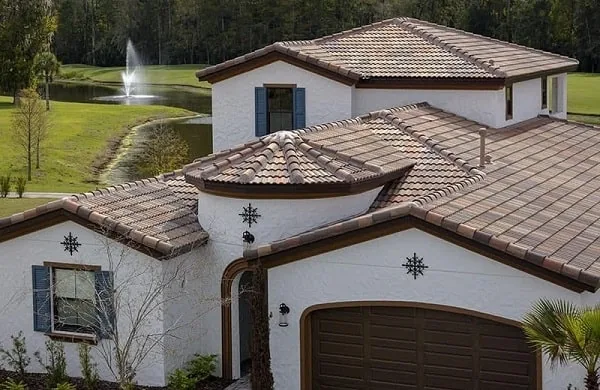
Climate is one part of the picture. In Florida, intense sun, heat, humidity, wind-driven rain, and storm events can all influence a roofing system. Coastal conditions, salt exposure, shade, and nearby trees can create more localized differences. The important point is not that every roof will react the same way, but that exposure should be part of the review when you are trying to understand changes over time.
Installation quality and original design choices also matter. Proper preparation of the roof deck, compatible materials, well-executed flashing, secure attachment, balanced ventilation where appropriate, and clear drainage paths all affect how a system handles normal weather and future service needs. A roof can look tidy from the street while a small detail at a wall, valley, vent, or edge needs attention.
Maintenance is not a substitute for a sound roof system, but it can make problems easier to address while they are contained. Regular roof maintenance includes noticing changes, keeping drainage paths clear, limiting avoidable surface damage, and seeking qualified advice rather than assuming a minor issue will resolve on its own.
Recognize Signs That Deserve Attention
Signs of age are not always dramatic. You may notice a change in the roof surface, debris in gutters, flashing that appears lifted, cracked or displaced materials, a recurring ceiling stain, a new drip, or a soft-looking area near a transition. These observations are reasons to investigate; they do not tell you from a distance whether the entire roof has reached the end of its service life.
After a storm, take note of what you can safely see from the ground and inside the attic or living space. Avoid walking on the roof or disturbing materials to look for a problem. Photos, dates, and a short description of when you noticed the change can be more useful to a roofing professional than an attempt to diagnose the issue yourself.
Some conditions can be addressed through focused roof repair when the affected area is understood and the surrounding system remains serviceable. The decision should come from the condition and scope, not a blanket rule that every older roof must be replaced or that every leak is a minor repair.

Repair or Replacement Is a Scope Decision
The central question is not simply whether the roof is old. It is whether the current issue is localized, whether the surrounding materials can still perform as part of a repair, and whether a repair will address the water path without creating a short-lived patchwork solution. Age, past repairs, material availability, visible wear, and the extent of the concern all belong in that discussion.
A full roof replacement may make sense when the system has broad concerns, when repeated repairs no longer create a reliable plan, or when the work needed to correct the roof should be evaluated as a complete assembly. A written proposal should explain the observed conditions, the work included, and how any concealed conditions would be documented and approved.
It is reasonable to ask a contractor to explain alternatives. If a repair is proposed, ask what it is expected to address and what conditions remain outside that scope. If a replacement is proposed, ask why the complete system is recommended, how the existing roof will be removed, and which materials and details will be installed in its place.
Materials Have Different Planning Conversations
Material type is relevant because different systems have different surface profiles, accessory needs, repair approaches, and documented product information. It should guide the questions you ask, not become a promise that one material will always reach a particular age on every home. A roofing professional can identify the existing system and explain the considerations for that roof rather than relying on an online estimate alone.
For example, architectural shingle roofing is a complete system whose surface, underlayment, flashing, ventilation, and accessories should be considered together. A tile system has its own questions about the visible tiles and the water-management layers and details beneath them. The material you see does not eliminate the need to understand the rest of the assembly.
The same is true for tile roofing and metal roofing. Each brings material-specific design and service considerations, so a fair lifespan conversation starts with the specific product and the home that supports it.

Keep Records That Make Future Decisions Easier
A well-kept roof history gives you better options when a concern appears. Save the replacement contract, product names, color, manufacturer documents, permits where applicable, invoices, approved change orders, inspection reports, and photos from the project. Record substantial repairs, storm-related observations, and maintenance work with dates.
This record helps a contractor understand what was installed and what has changed. It can also make a future sale, insurance conversation, or service visit less dependent on memory. The goal is not to create a complex file system; it is to preserve the practical facts that explain the roof’s history.
A Practical Roof Lifespan Checklist
- Confirm the approximate installation date and the specific material or product if records are available.
- Note recurring leaks, visible changes, storm events, and previous repairs with dates and photos.
- Request an inspection when a concern appears instead of relying on age alone.
- Compare a proposed repair or replacement by its full written scope, not only its total price.
- Keep product, warranty, permit, repair, and maintenance records together for future reference.
Plan With Evidence, Not a Single Number
A roof’s age is one useful fact, but it is never the whole decision. Current condition, system details, weather exposure, maintenance history, and the scope needed to resolve a concern tell a more complete story. That evidence can help you act early when a focused repair is appropriate and plan calmly when a broader project deserves consideration.
If you are unsure where your roof stands, an estimate appointment can turn a general lifespan question into a property-specific conversation. Bring any records you have and ask for a clear explanation of the observed condition, the options available, and the scope behind each recommendation.
Not sure where your roof stands?
Discuss Your Roof Condition
Request a free roofing estimate from Affordable Roofing Systems to review the observed condition of your roof, its service history, and the next step that fits your home.
Schedule a free roofing estimate