
How Long Does It Take To Install A New Roof?
A typical roof replacement may take one or two days, but complexity, access, weather, materials, and hidden deck conditions can extend the schedule...
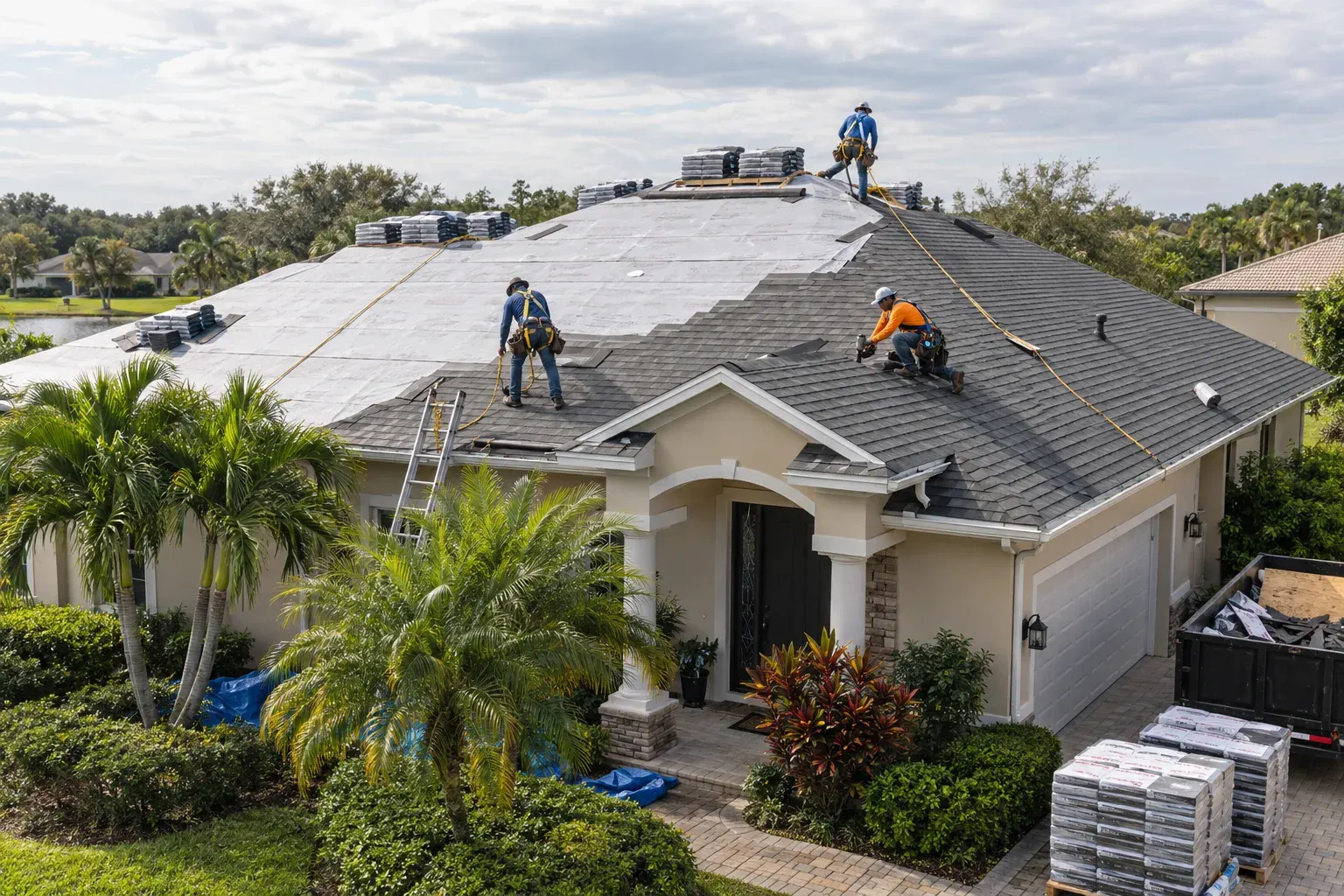
Table of Contents
- A One-to-Two-Day Roof Is a Benchmark, Not a Guarantee
- The Timeline Starts Before the Crew Arrives
- Roof Complexity Can Add Time
- Property Access and Protection Affect the Schedule
- Weather Can Change the Start or Pause the Work
- Material and Scope Change the Number of Steps
- Hidden Deck Damage Can Change the Plan
- Plan for Inspection, Cleanup, and the Final Walkthrough
- Prepare the Home for a Smoother Installation
For many homeowners, the work on the roof is only one part of the schedule. They also need to know how long the driveway may be occupied, when the house will be noisy, whether someone needs to be home, and what could cause the completion date to move. A useful timeline therefore explains both the expected working days and the conditions behind that estimate.
The original Affordable Roofing FAQ gave a practical benchmark: an approximately 3,000-square-foot home in Tampa may often be reroofed in one to two days, while an unusually complex project can take as long as a week. That remains a helpful starting point, but it is not a promise for every property. Roof geometry, access, weather, material, deck repairs, inspections, and the written scope all influence the real duration.
This guide expands that answer so you can understand what happens before, during, and after the visible installation. The most dependable schedule comes from a contractor who has evaluated the actual roof and can explain which assumptions are built into the plan.
A One-to-Two-Day Roof Is a Benchmark, Not a Guarantee
A straightforward residential project can move quickly when the crew, materials, equipment, permit, and weather window are aligned. On a simple roof with good access and no significant damage beneath the old covering, tear-off, deck preparation, dry-in, and installation may progress within one or two working days. The total calendar timeline can still include earlier planning and later inspection steps that are not visible from the street.
Square footage matters, but it does not tell the whole story. Two homes with the same measured roof area may have very different numbers of slopes, valleys, walls, penetrations, levels, and edge conditions. Those details affect staging, cutting, flashing, fastening, water management, and cleanup. A smaller complicated roof can require more time than a larger simple one.
When discussing a proposed roof replacement, ask whether the quoted duration describes active roofing days, the full project calendar, or both. That one distinction can prevent a lot of confusion.
The Timeline Starts Before the Crew Arrives
The installation date is usually the result of work that has already happened: evaluating the roof, defining the system, selecting materials, confirming colors and accessories, preparing the contract, ordering products, coordinating delivery, and handling the permit process. Product availability and special-order components can affect when a project is ready to enter the production schedule even when the physical work will be brief.
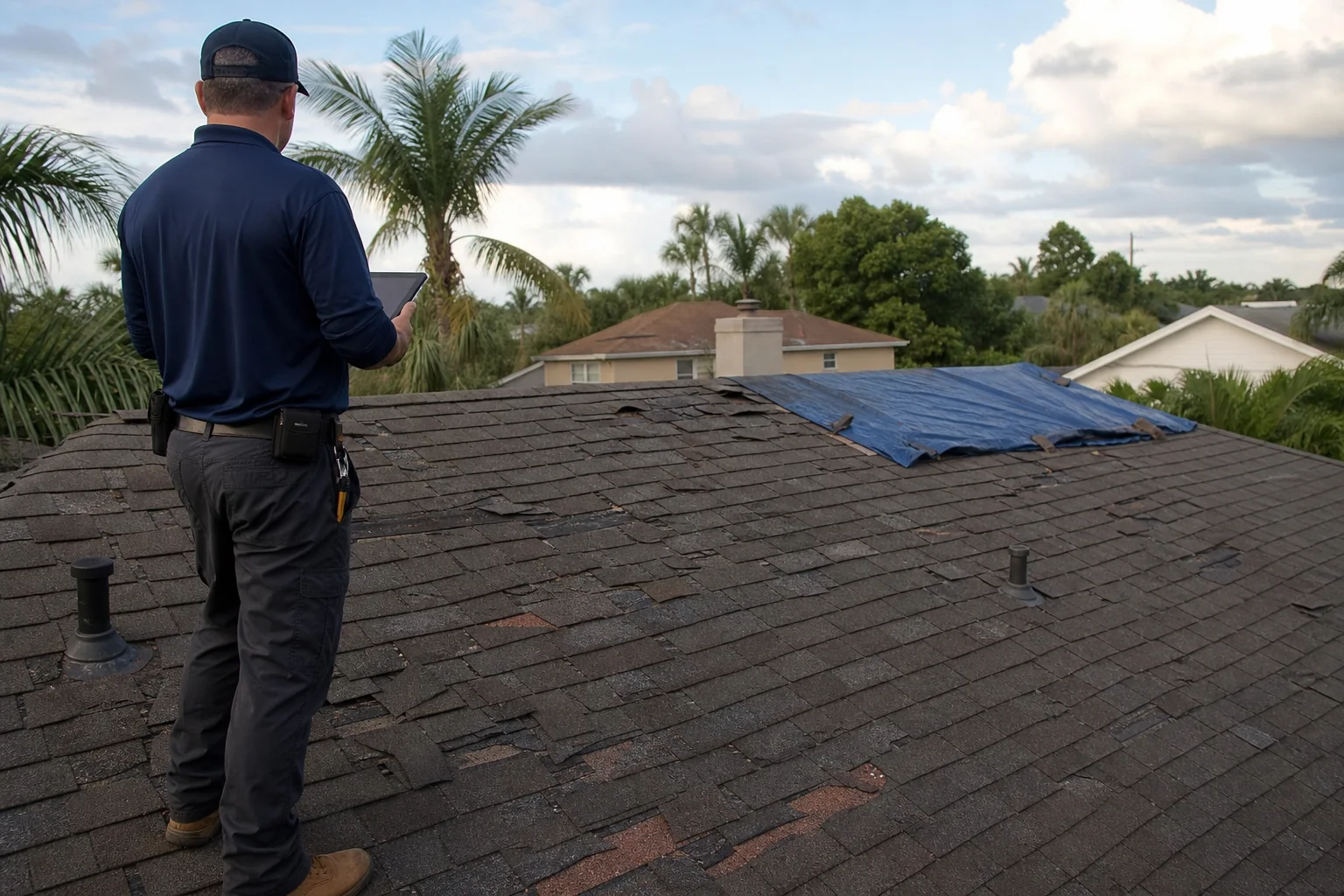
A thorough roof inspection helps the contractor identify visible conditions before the schedule is set. It cannot reveal every concealed issue, but it gives the estimate a stronger foundation and helps the team plan protection, access, equipment, and material quantities.
Homeowners should receive a realistic start window and understand how weather communication will work. A contractor may delay the start rather than expose the roof when conditions do not support a safe dry-in. That decision can protect the home even though it changes the date on the calendar.
Roof Complexity Can Add Time
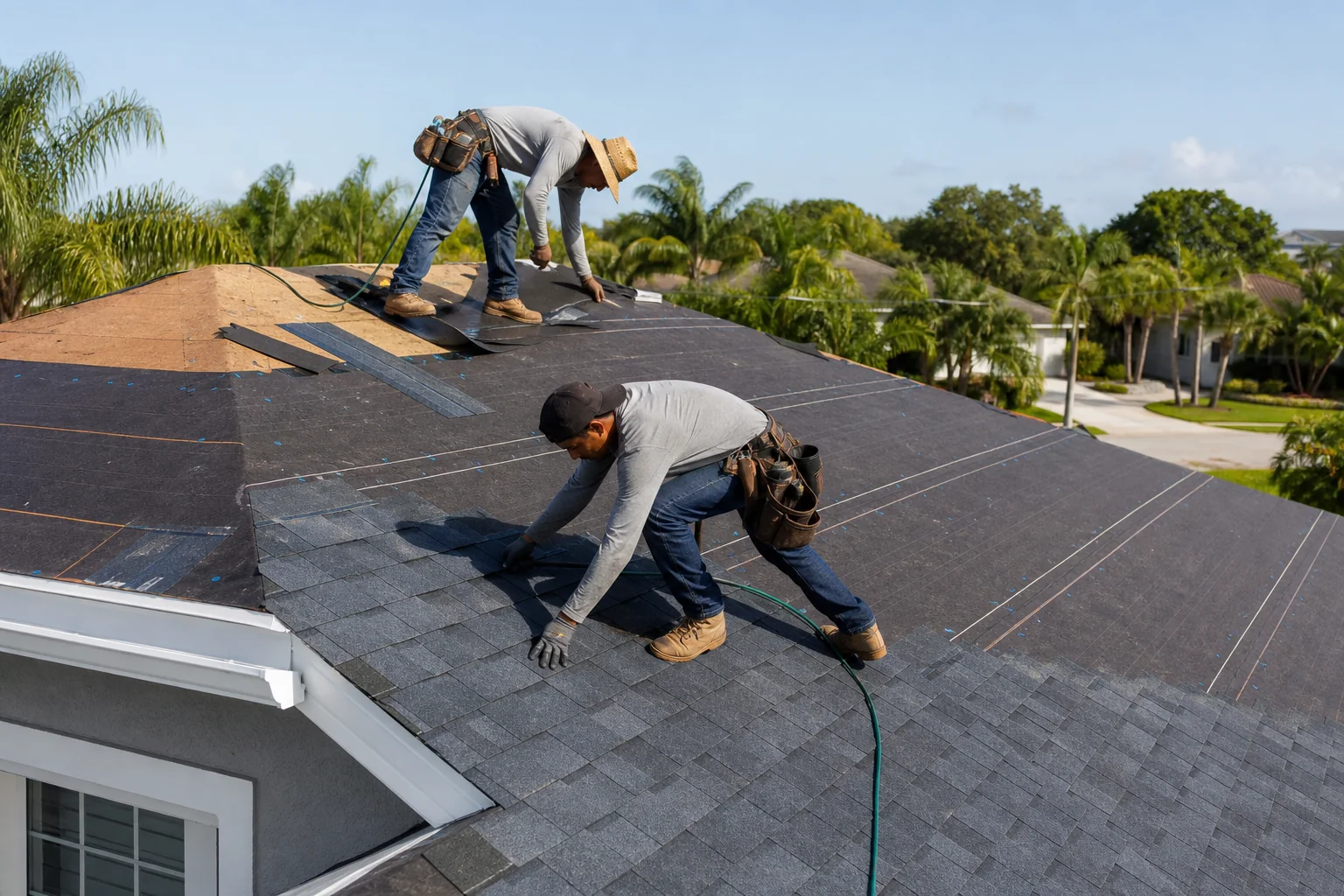
The legacy FAQ identified roof complexity as one of the biggest schedule factors, and that is the right place to begin. The roof’s cut, slope, pitch, number of facets, hips, valleys, changes in elevation, and angles all affect how the work is sequenced. Steeper areas may require additional safety setup, while complicated intersections require careful cutting and water-management details.
Dormers, chimneys, skylights, walls, vents, pipes, solar attachments, gutters, and low-slope transitions can add steps that a simple roof does not have. These features should not be rushed. Flashing and transitions are part of the roofing system, and their condition can affect both the duration and the overall cost of the project.
Ask the contractor which features of your roof influenced the proposed schedule. A clear answer should connect the timeline to observable conditions rather than offer the same number of days for every house.
Property Access and Protection Affect the Schedule
Not every roof or property offers the same access. The original article called out landscaping or bushes, fencing, the absence of a paved surface near the home, and limited roof access points. Those conditions can affect where materials are delivered, how debris is removed, where equipment can be placed, and how often the crew must move items by hand.
Property protection also takes time. Plants, exterior equipment, windows, siding, pools, walkways, and driveway surfaces may need different safeguards. A reputable roofer should follow safety and protection procedures even when careful staging makes the project take longer. Speed should not come at the expense of workers, occupants, or the home.
Before the start date, identify gates, vehicle limitations, pets, irrigation controls, fragile landscaping, shared driveways, and any neighborhood access rules. Solving those details in advance helps the crew use the working day efficiently.
Weather Can Change the Start or Pause the Work
Weather was the third major factor in the original FAQ. Rain, lightning, strong wind, wet surfaces, or an uncertain weather window can make it unsafe or impractical to continue particular roofing operations. In Florida, a clear morning does not always guarantee a full dry afternoon, so the daily plan may be adjusted as conditions develop.
A weather delay does not automatically mean the project was poorly planned. Responsible scheduling includes watching conditions, limiting how much roof is opened at one time, protecting exposed areas, and communicating when work needs to stop. The more useful question is how the contractor will keep the home protected if conditions change after tear-off begins.
Build some flexibility into personal plans around the project. If a particular day must remain quiet or accessible, discuss that before scheduling rather than assuming the weather and production sequence will cooperate perfectly.
Material and Scope Change the Number of Steps
Installation time depends on more than replacing one visible surface with another. Tear-off requirements, underlayment, flashing, edge metal, ventilation, valleys, penetrations, ridge components, and cleanup all belong to the scope. A complete roof installation should account for the system beneath and around the finished covering, not only the field material visible at the end.
Material type can change handling, fastening, layout, cutting, and detail work. Even within shingle roofing, roof geometry and the selected system components affect the pace. A material change may also require preparation that would not be part of a like-for-like replacement.
This is why two estimates should be compared by written scope, not simply by the promised number of days. A shorter schedule may reflect a simpler system, a larger crew, a different access plan, or missing work. Ask enough questions to understand which explanation applies.

Plan for Inspection, Cleanup, and the Final Walkthrough
The roof may look complete before every project step is closed. Final cleanup, magnetic collection of loose fasteners where appropriate, removal of remaining materials, gutter or ground checks, documentation, and a homeowner walkthrough can extend beyond the last installed shingle. Permit inspections and closeout timing may also follow the active production work.
Ask what marks substantial completion and what marks final completion. Confirm who will review the work with you, how concerns are reported, when project documents are delivered, and what should remain available for future warranty or maintenance questions. This makes the end of the schedule as clear as the beginning.
A careful closeout should feel organized rather than abrupt. The goal is not only to finish the visible roof quickly, but to leave the property orderly and the homeowner with a clear record of the completed system.
Questions to Ask About Your Roofing Timeline
- Does the proposed duration cover working days only, or the complete calendar from start through inspection and closeout?
- Which roof features, access conditions, material choices, and protection steps influenced the estimate?
- How will the roof and property be protected if weather interrupts the work?
- How are hidden deck damage, additional work, and schedule changes documented and approved?
- What happens during cleanup, final inspection, walkthrough, and delivery of the project records?
Prepare the Home for a Smoother Installation
Homeowner preparation cannot control the weather or roof geometry, but it can remove avoidable delays. Move vehicles as directed, provide access to agreed areas, secure pets, protect fragile wall hangings or attic items from vibration, and keep children and visitors away from active work zones. Follow the contractor’s project-specific instructions rather than relying on a generic checklist.
Review communication expectations before work begins. Know who your contact is, how daily updates will arrive, what happens if rain changes the plan, and how decisions about unforeseen conditions will be made. If budget timing is part of the project, discuss written payment terms and available financing options before the installation date rather than during an active change order.
The best answer to “how long will my roof take?” is specific to the home and transparent about uncertainty. One or two days may be realistic for a straightforward project, while complexity, access, weather, material handling, or concealed repairs can extend the work. A clear scope and communication plan make either timeline easier to manage.
Planning a roof replacement?
Plan Your Roof Installation With a Clear Scope
Request a free roofing estimate from Affordable Roofing Systems to review your roof, the proposed system, and the factors that could shape your installation timeline.
Schedule a free roofing estimate