How To Avoid Roofing Scams in Tampa Bay
Learn how to recognize roofing sales pressure, verify a contractor, compare a written scope, and keep your decision in your hands...

Table of Contents
- Separate a Roof Emergency From a Sales Emergency
- Document What You Can Safely Observe
- Verify Business Identity, License, and References
- Require a Written Scope Before You Compare Prices
- Keep Insurance and Payment Conversations Separate
- Use Independent Reviews as One Part of Your Check
- Take a Second Look When the Answer Is Rushed
A roof concern can make a homeowner feel exposed: a storm has just passed, a neighbor has scheduled work, a salesperson is at the door, or a contractor has said the roof needs a major repair immediately. The legacy article named storm chasing, overcharging, incomplete work, insurance pressure, unlicensed work, and unexplained damage as reasons to slow the process down.
The useful goal is not to become suspicious of every roofing professional or to ignore a real roof problem. It is to separate a condition that needs timely protection from a sales approach that asks for a decision before evidence, documents, and comparison are available. A careful contractor should help make the roof and the next step clearer.
This guide retains the source article’s practical warnings but updates the decision path. It explains which signals justify a pause, what records to request, how to verify a business, and how to keep insurance and contract conversations in their proper place. It is consumer guidance, not legal, insurance, or financial advice.
Separate a Roof Emergency From a Sales Emergency
An active leak, a roof opening, or a dangerous condition can require prompt professional attention. That does not mean the first person who offers a replacement has earned the decision. Temporary protection, a documented assessment, and a written plan may be urgent; signing a broad agreement or handing over payment before you understand it is a separate decision that can usually wait for review.
Storm chasers were the source article’s first example. The term describes a sales pattern, not an automatic label for every contractor who responds after weather. The warning signs are the pressure and missing evidence: an uninvited visit, a major diagnosis made without a meaningful inspection, a same-day deadline with no documented reason, or a refusal to leave the scope for you to read.
If the home needs protection, ask what can be done safely now and what information is still needed for a permanent repair or replacement decision. A dependable answer distinguishes those two steps. It does not use a real roof concern to remove your ability to compare the work.
Red Flags That Deserve a Pause
- A person pressures you to sign, pay, or file a claim before leaving a detailed scope for review.
- The business cannot provide a verifiable address, current credentials, references, or a consistent way to contact it later.
- The proposal uses a low total, a cash-only request, or a special promotion without explaining the materials, work, and payment terms behind it.
- A contractor declares major damage but cannot show where it is, how it was observed, or how the recommended work addresses it.
- Someone makes a definite promise about a permit, warranty, insurance outcome, or final price without the documents and project facts to support it.
Document What You Can Safely Observe
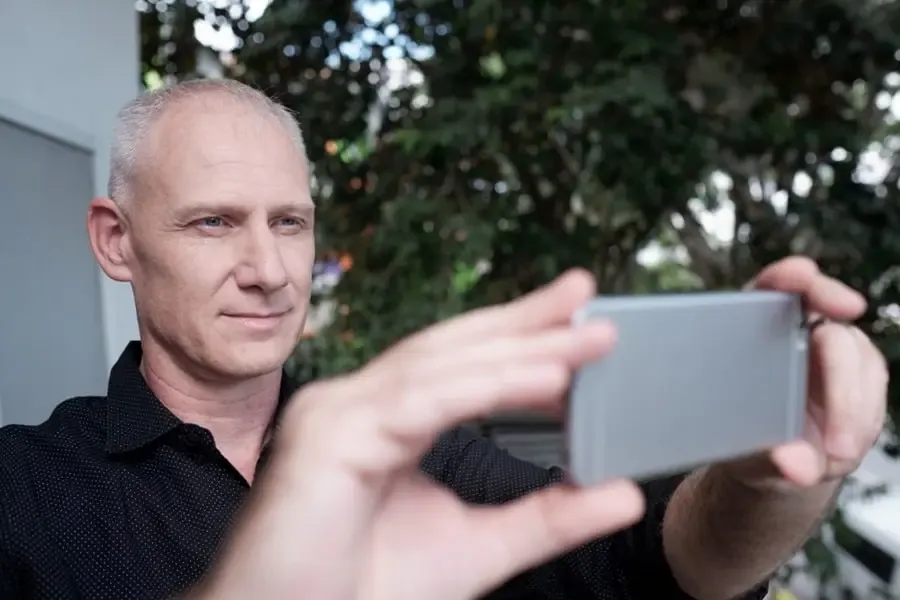
Before a sales conversation frames the condition for you, document what you can safely see. Take photos from the ground, note interior stains or active drips, record the date and weather event, and keep copies of any written assessment. Do not climb onto a wet, steep, damaged, or otherwise unsafe roof to create your own inspection record.
These records do not diagnose the roof. They help you ask more specific questions. If a contractor says damage requires a major scope, ask them to identify the location, show the condition safely, describe what can and cannot be confirmed before work begins, and explain how the proposal solves the water path or material problem they observed.
The legacy article called unexplained findings mystery damage. The fair response is not to accuse anyone; it is to request evidence, retain your own record, and get another evaluation when the diagnosis and the visible facts do not line up.
Verify Business Identity, License, and References
A real local presence is more than a wrapped truck, a polished website, or a phone number in an advertisement. The original article encouraged readers to begin with roofers in Tampa, then examine the actual business: its physical address, the person responsible for the work, recent relevant references, written scope, and a reliable way to reach the company after the project.
Ask for the license information that applies to the proposed work and verify it independently. Florida’s official Florida license search lets consumers look up licensees. Match the name, business, status, and relevant information to the person and company proposing the job. Licensing, permits, insurance, and local rules are current, project-specific questions, so verify rather than relying on a claim in an ad.
References should be relevant to your type of roofing work. Ask former customers how the company communicated, protected the property, handled changes, completed cleanup, and responded after the job. A reference is more useful when it describes the process as well as the finished roof.
Require a Written Scope Before You Compare Prices
A trustworthy proposal does more than state a total. It identifies the condition observed, the areas involved, the materials and system components included, removal or repair assumptions, flashing and ventilation details where applicable, property protection, cleanup, permit-related work, and the method for approving a condition discovered after work begins.
Compare written scopes line by line. A lower figure may represent a different amount of removal, a different material, fewer system details, or an assumption that was never written down. A higher figure is not automatically better either. The goal is to understand why the scopes differ before a homeowner is asked to make a permanent commitment.
The old site used the phrases commercial roofing services in Tampa and roofing contractor in Tampa FL as local search references. Regardless of the label in an advertisement, the same test applies: can the business clearly identify the work, its responsibility, and the records that support the proposal?
Keep Insurance and Payment Conversations Separate
The legacy article warned about deductible offers, claim pressure, large upfront payments, and cash-only requests. Those concerns are worth discussing plainly. A roofing contractor can provide an assessment and a scope, but the homeowner’s policy, insurer, and the facts of the event determine insurance decisions. Do not accept a verbal promise that a claim will be approved, that a deductible will be handled a particular way, or that a particular outcome is guaranteed.
Keep your photos, estimates, policy information, and communications. If you are considering a claim, communicate directly with your insurer about the policy and next steps. Ask the contractor to explain exactly what their proposal covers, what payment schedule they propose, what changes need written approval, and what documents you will receive as the work progresses.
A payment conversation should be understandable on its own. If you cannot tell what a payment covers, when it is due, or what happens if the scope changes, pause before signing or paying. The same applies to any document that authorizes work, sets cancellation terms, or assigns rights: read it away from the pressure of the initial conversation and seek qualified advice if it is unclear.
Use Independent Reviews as One Part of Your Check
Online reviews and community recommendations can reveal useful patterns, especially when you read more than a star rating. Look for details about communication, project scope, cleanup, problem-solving, and whether the reviewer describes work similar to yours. Then compare what you find with the contractor’s address, credentials, references, written proposal, and direct answers to your questions.
The source suggested checking the BBB or local community boards for additional context. Those sources can be useful, but they are not a substitute for verifying the license, understanding the scope, and reviewing the contract. A trustworthy business should welcome reasonable questions instead of asking you to accept its marketing as proof.
Use your own network too. A neighbor, family member, or friend may tell you how a contractor handled the uncomfortable parts of a project: a delay, a discovered condition, an inspection correction, or a final question after the crew left. Those details often matter more than a simple recommendation.
Take a Second Look When the Answer Is Rushed
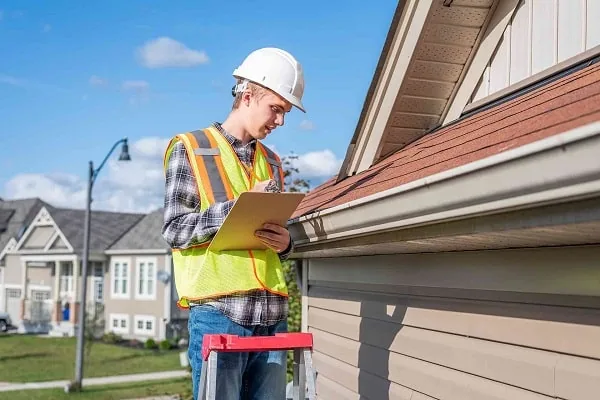
A second opinion is sensible when a contractor reaches a large conclusion quickly, the visible evidence does not appear to match the proposed scope, or the proposal leaves key questions unanswered. It is not a delay tactic. It is a way to compare whether the recommended work fits the roof, the observed condition, and the homeowner’s actual needs.
Ask the second professional to explain the findings in plain language and distinguish urgent protection from permanent work. A clear evaluation can separate a localized repair from a replacement discussion, a visible symptom from the likely source of water entry, and a temporary measure from a complete system scope.
The better decision is not necessarily the lowest price or the fastest answer. It is the one you can explain: what was observed, what work is proposed, who is responsible, what documents support it, and why that scope makes sense for your home.
Need a clearer next step?
Get a Clearer Roofing Next Step
Request a free roof inspection from Affordable Roofing Systems to discuss the condition you noticed, review the roof system, and understand the proposed next step before you commit to permanent work.
Schedule a free roof inspection