
I Found a Soft Spot on My Roof. What Should I Do?
A soft or spongy roof area can signal water below the shingles. Learn what to avoid, safely document, and when to call a roofer...

Table of Contents
A roof should feel firm under the system that protects your home. If an area feels soft or spongy, treat it as a reason to slow down—not as something to test by walking on it. The original Affordable Roofing article correctly emphasized prompt attention: a soft area can be associated with water getting below the shingles and affecting the layer beneath them. It does not, by itself, identify the exact cause or prove that the entire roof must be replaced.
The right next step is a safe, roof-specific evaluation. Water can travel before it becomes visible indoors, and a localized condition can worsen if the source remains active. This guide preserves the legacy article’s focus on early action, proper installation, drainage, and professional help while adding a practical way to respond without making the problem more dangerous.
Start With Safety and Do Not Test the Area
Do not step, jump, press hard, or repeatedly walk across a suspected soft area to see how much it moves. A weakened roof deck may not support weight as expected, and walking on an unfamiliar roof also introduces fall risk. Stay on the ground whenever possible and keep family members, visitors, and pets away from areas where a roof-access ladder or active work may be involved.
If the condition was noticed from an attic, do not poke through the decking or pull up insulation to chase a hidden leak. You can take a clear photo from a stable, accessible area if it is safe to do so, but avoid disturbing materials that could conceal wiring, nails, or fragile wood. If water is actively entering the home, move valuables from below the leak and contact a roofing professional promptly.
A targeted roof inspection gives the contractor a chance to assess the roof surface, transitions, attic evidence, and drainage conditions without asking you to diagnose the assembly yourself.
What a Soft Spot Can Mean
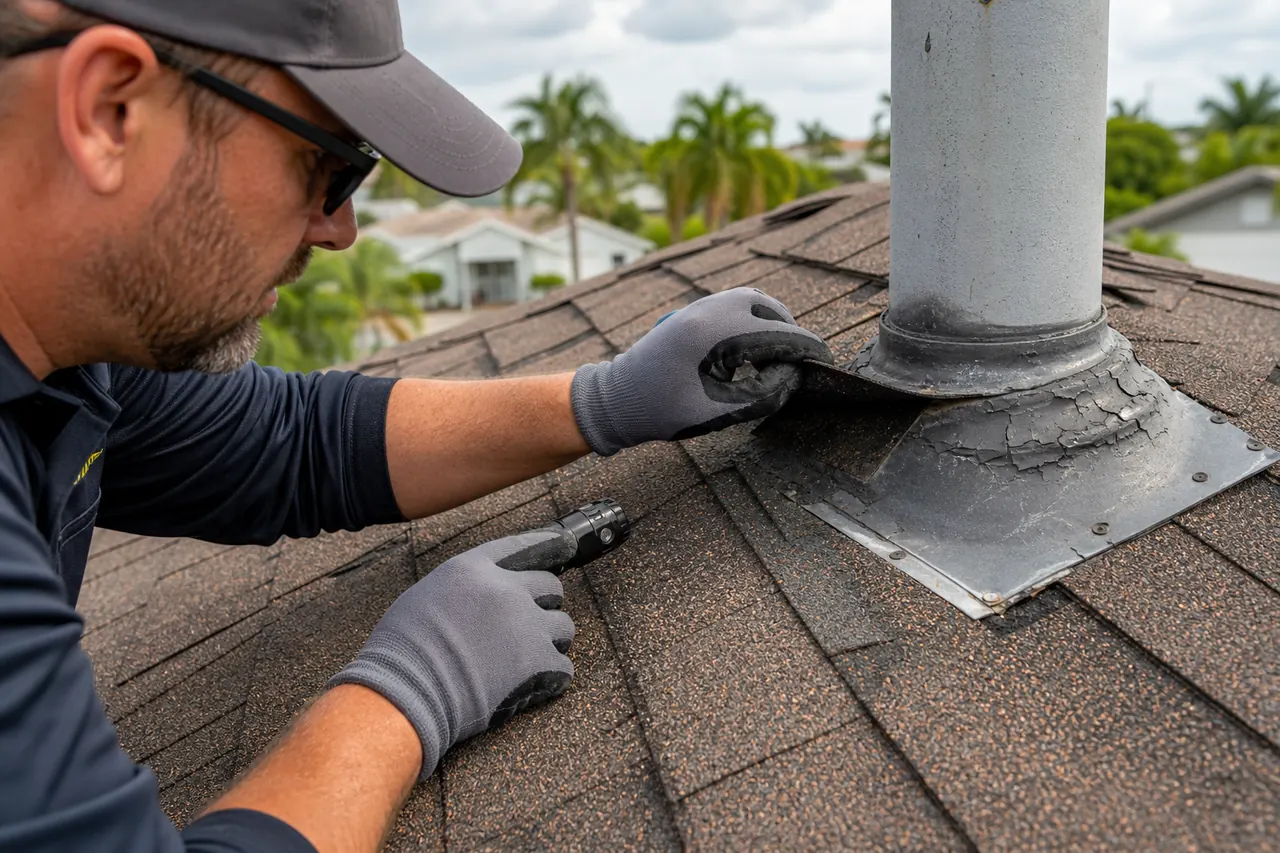
The layer below shingles is commonly called roof decking or sheathing. When moisture repeatedly reaches that layer, wood products can lose stiffness, fasteners can loosen, and the surface may eventually feel less solid. The legacy article described a soaked layer below the shingles as a likely explanation, and water-related deterioration is an important possibility—but it is not the only one.
A roofer may also look for aging materials, damaged flashing, a past repair, poor ventilation, sagging framing, insect or rot damage, or a localized installation issue. The visible roofing surface can look relatively normal while the deck below needs attention, just as a stain inside the home may be some distance from the entry point. The inspection should connect what is seen above and below the roof before anyone recommends a scope of work.
Because the causes differ, avoid treating a soft spot as automatic proof of full roof replacement. A localized repair may be appropriate in some circumstances; in others, the condition, age, and extent of the roof can point to a broader decision. The evidence matters more than the label.
For continuity with the original resource, homeowners seeking a residential roof St. Petersburg assessment can use the current service-area page to request local follow-up. The guidance here remains useful throughout Tampa Bay.
Look for Safe Clues From the Ground and Attic
From the ground, look for clues you can see without climbing: a low-looking roof plane, damaged or missing shingles, exposed flashing, a sagging line, debris collecting in a valley, or water that seems to overshoot or back up near a gutter. Note the approximate location using a window, exterior wall, chimney, or vent as a reference. Do not rely on a phone zoom as a diagnosis, but a few dated photos can help explain what prompted the call.
If you already have a safely accessible attic, look for damp insulation, water marks on rafters or decking, musty odor, daylight where it should not be visible, or an area that appears darker than adjacent wood. Check after rain only if you can do so safely from a stable walkway; never step on ceiling drywall or unsupported framing. Interior ceiling discoloration, bubbling paint, and recurring mildew are also useful observations to share.
Write down when you first noticed the issue, whether it follows rain or wind, and any past leak or repair nearby. That timeline can help a professional distinguish a one-time event from a condition that may have been developing gradually.

Separate a Local Repair From a Whole-Roof Decision
A soft spot does not automatically mean the entire roof needs replacement. The legacy article made that distinction, and it remains important. A limited area can sometimes be addressed by identifying the water path, removing affected roofing materials, repairing suitable deck sections, and restoring the details that keep water out. Whether that is sensible depends on the condition of the surrounding roof, not only the one area you can feel.
A contractor should explain the observed condition, the suspected source, what needs to be opened to confirm it, and what would change the recommendation. If a local roof repair is proposed, ask how it will tie into the existing materials, flashing, underlayment, and water-shedding path. If replacement is proposed, ask which findings make the broader scope more durable or practical.
You should receive a written scope rather than a vague instruction to fix ‘whatever is soft.’ It should identify the known work, how concealed conditions will be documented, and who approves any additional repair before it begins.
Gutters and Water Management Deserve Attention
The original article called out gutters for a good reason: they help direct rainwater away from the roof edge and home. Clogged, overflowing, detached, or poorly sloped gutters can contribute to water lingering where it does not belong. They are not the explanation for every soft area, but they are part of the water-management picture worth reviewing.
Keep ground-level discharge paths clear and watch for overflowing gutters during rain from a safe location. Do not lean a ladder against a questionable gutter or work near an area you believe may be structurally compromised. A professional can assess the roof edge, drip details, transitions, and gutters together when needed.
Regular roof maintenance can help identify debris, drainage, flashing, and roof-surface issues before moisture has more time to affect the materials below. It is preventive care, not a substitute for addressing an active concern.
If local follow-up is helpful, homeowners can also reach the current St. Petersburg service page through the legacy St. Petersburg roofing company reference.
Get a Roof-Specific Professional Assessment
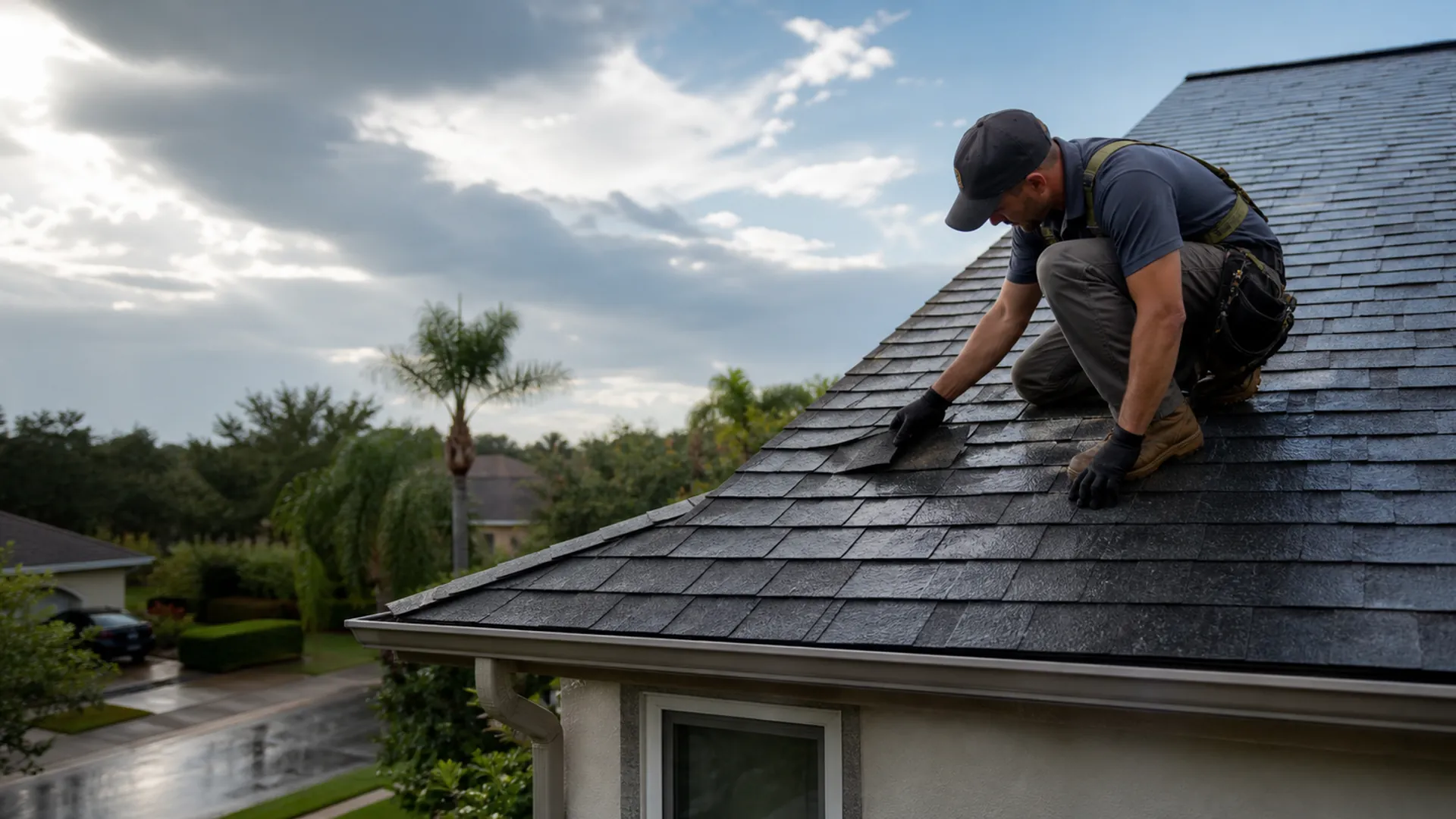
A useful evaluation is more than a quick look from the driveway. The roofer should consider the reported location, the roof surface, penetrations and flashing nearby, drainage, accessible attic evidence, the home’s repair history, and any interior signs. If an area must be opened to confirm the deck condition, the contractor should explain why, what they expect to find, and how the work will be protected.
Ask for photos where appropriate and a plain-language explanation of what is known, what is suspected, and what cannot be confirmed without further work. That distinction keeps a homeowner from being pushed toward a large decision based only on a verbal description. It also creates a clearer record if the issue involves a recurring leak or a later insurance conversation.
Prompt attention is still wise. The legacy article warned that a soft area can deteriorate and lead to more leakage or related problems if left unaddressed. The goal is not panic; it is to prevent a potentially limited condition from having more time to spread.
Questions to Ask During a Soft-Spot Assessment
- What evidence points to the source of the condition, and what remains unconfirmed?
- Is the concern limited to one area, or are there signs of more widespread deck or roofing-system issues?
- What work is needed to access, repair, and protect the affected area?
- How will hidden conditions, added work, photos, and approvals be documented?
- Are gutters, flashing, ventilation, or another water-management detail contributing to the issue?
Use Local Help for the Next Step
This remains a general homeowner guide, not a city-specific roofing page. The final legacy local-reference link is retained here for homeowners who want to compare qualified roofing contractors St. Petersburg through the current service-area page. The practical advice above applies whether the concern is in St. Petersburg or elsewhere in Tampa Bay.
If you have noticed a soft area, avoid adding weight to it, document only what you can safely observe, and schedule an assessment before the next stretch of heavy weather. A clear scope is the best way to decide whether the answer is a focused repair, a broader plan, or continued monitoring after a professional finds no active concern.
Concerned about a soft roof area?
Get a Clear Next Step for Your Roof
Request a free roofing estimate from Affordable Roofing Systems to discuss the condition you noticed and the appropriate next step for your home.
Schedule a free roofing estimate