Metal Roof vs Asphalt Shingles
Compare the roof-system, budget, maintenance, and design questions that help a homeowner choose between metal roofing and asphalt shingles...
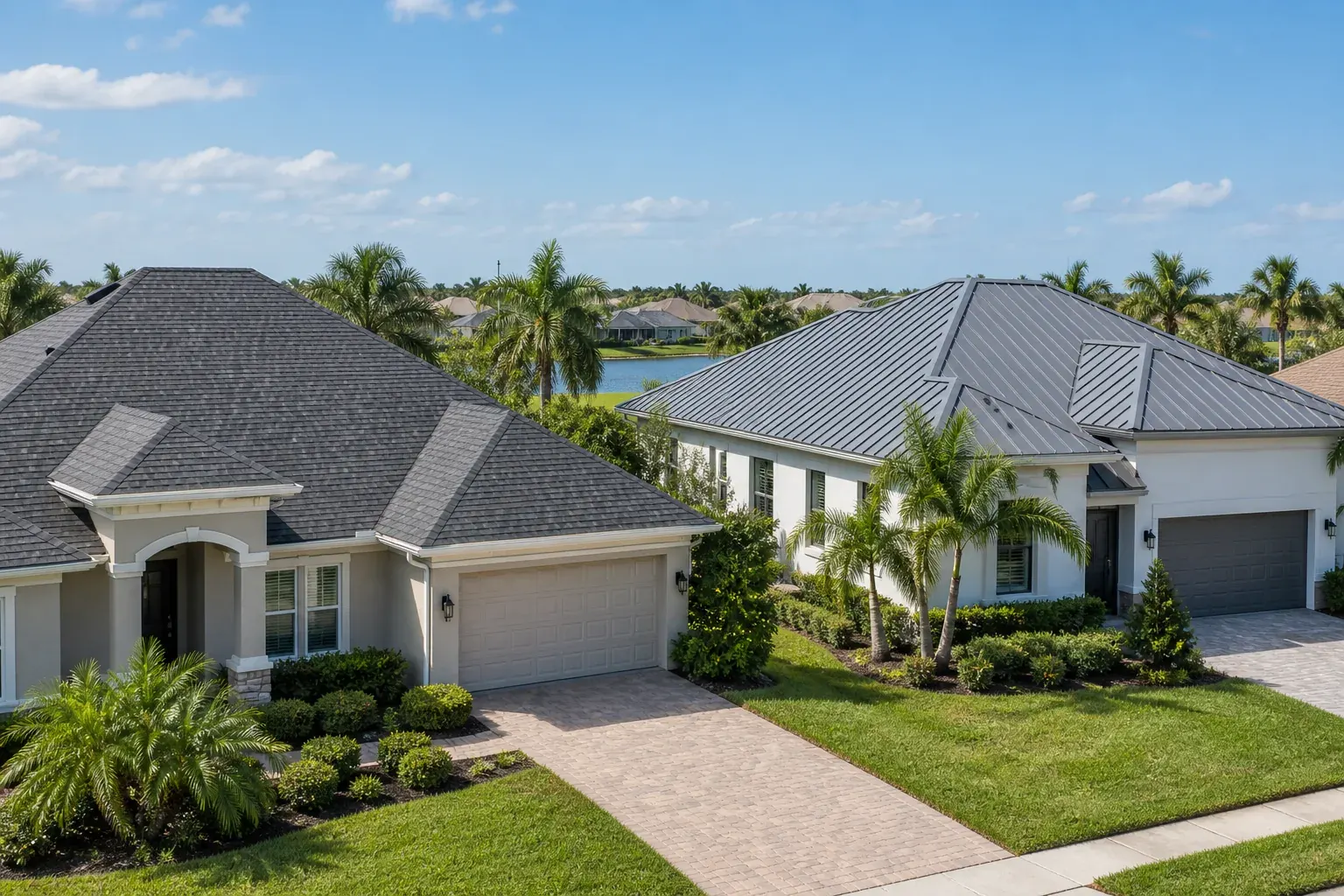
Table of Contents
- Start With the Home and Roof You Actually Have
- What Asphalt Shingles Can Make Simple
- What Metal Roofing Changes in the System
- Weather Performance Is More Than a Material Label
- Cost Means Upfront Scope, Not Just One Number
- Maintenance and Future Repairs Need Different Conversations
- Appearance, Neighborhood Rules, and Resale Context
- Make the Choice With a Written Scope
Metal roofing and asphalt shingles can both be sensible choices for a Tampa Bay home. Neither material wins every comparison. The better fit depends on the roof’s shape, the home’s structure, the details around vents and valleys, the budget for the full project, and the owner’s plan for the property over time.
The three legacy articles consolidated here compared metal and shingles through durability, cost, environmental impact, installation, and severe-weather performance. Those are still useful topics, but a scorecard can make a roof system sound simpler than it is. Product lines, installation methods, local requirements, attic conditions, and the surrounding roof assembly all affect the result.
This guide keeps the useful decision points while replacing broad promises with questions a homeowner can actually use. It is not a substitute for a roof-specific scope, but it can help you arrive at an estimate conversation with clearer priorities.
Start With the Home and Roof You Actually Have
A material comparison should begin with the existing roof, not a generic list of pros and cons. Roof pitch, framing, valleys, skylights, chimneys, wall transitions, drainage, attic ventilation, and the condition of the deck can all influence what a replacement involves. A simple gable roof and a roof with many penetrations may call for very different scopes even when the homes are similar in size.
Ask whether the current roof is being repaired, fully replaced, or changed to a different material. A material change can affect underlayment, flashing, edge details, fastening, trim, gutters, and the way adjacent components meet the roof. That is why an estimate should identify the complete assembly rather than comparing only the visible surface.
The right starting point is a documented assessment of the roof and attic conditions. A professional roof inspection can show which details are already working, which need correction, and what belongs in either material option before a homeowner tries to compare bids line by line.
What Asphalt Shingles Can Make Simple
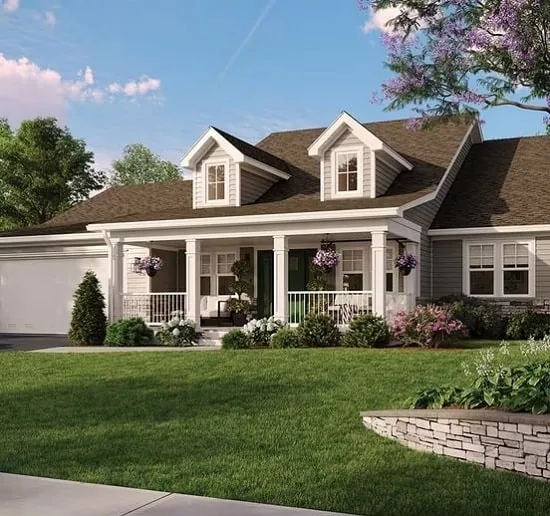
Asphalt shingles are a familiar residential roofing option with a broad range of colors, profiles, and price points. They can work well on many roof shapes, including roofs with hips, valleys, dormers, and other changes in plane. Because individual shingles and related components are modular, an experienced roofer can often adapt the system to detailed roof geometry without the long panel runs that some metal systems require.
That familiarity should not be confused with a shortcut. Shingle performance still depends on the condition of the deck, the underlayment and water-management details, correctly installed flashing, the specified fastening pattern, ventilation, and the matching accessories. A low initial material price does not make a thin or incomplete scope equivalent to a complete roofing system.
For homeowners who value a traditional look, a broad visual selection, and a roofing system that suits a complex roof layout, architectural shingle roofing may be the more straightforward path. The decision should still include the exact shingle line, required accessories, warranty documents, expected maintenance, and the workmanship scope—not only a generic label such as “asphalt.”
What Metal Roofing Changes in the System
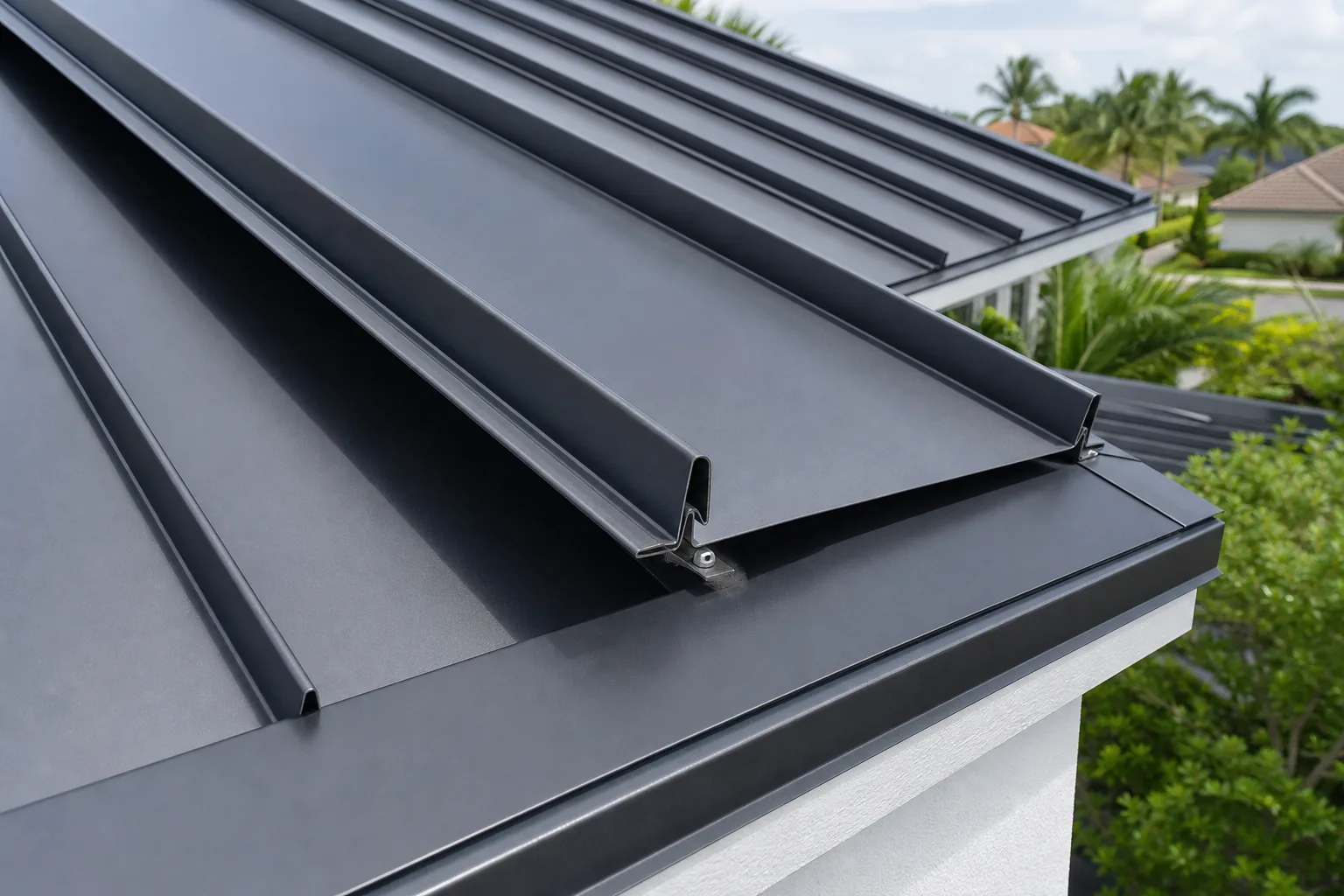
Metal roofing is not one product. Panel profiles, metal type and thickness, coatings, fastener approach, seam design, trim, and attachment method vary by system. Standing seam roofs, for example, use raised seams and commonly conceal much of the fastening system; other metal profiles use different exposed or concealed fastening details. Those distinctions matter for water management, movement, appearance, and future service.
Metal expands and contracts as temperatures change, so the panel system and its clips, fasteners, and trim must be designed and installed to accommodate the manufacturer’s requirements. A qualified installer also needs to coordinate penetrations, transitions, valleys, skylights, roof-to-wall flashing, and edge metal. The visible panels are only one part of the work.
Metal can be compelling when the home’s roof design, desired aesthetic, and long-term ownership plan support it. It can also require a more specialized scope and a more careful conversation about details. Our standing seam metal roofing guide explains the raised-seam approach and hidden-fastener concept in more detail, while the metal roofing page can help frame a material-specific estimate conversation.
Weather Performance Is More Than a Material Label
Florida heat, heavy rain, wind-driven rain, and storms put pressure on every roof system. It is fair to ask how a material performs in local weather, but no material name alone proves that a roof will meet a particular wind, impact, or energy outcome. Those outcomes depend on the tested product, the approved assembly, the roof geometry, attachment, edge and flashing details, local requirements, and the condition of the structure beneath it.
A metal roof may reflect more solar energy in a particular finish or system, and a shingle system may offer its own documented options. Actual indoor comfort and energy use also involve attic ventilation, insulation, air sealing, windows, HVAC equipment, shade, and household use. It is better to request the applicable product information and discuss the entire home than to expect a universal utility-bill result from one roofing material.
Similarly, storm resistance is a system question. Before comparing performance language, ask which roof components are included, how the manufacturer documents the assembly, and what site conditions the installer found. That keeps “weather performance” connected to a real scope rather than a marketing claim.
Cost Means Upfront Scope, Not Just One Number
The legacy comparison correctly noted that a shingle roof can have a lower upfront material cost than many metal options. That may matter greatly for a homeowner’s budget. It does not, however, settle the comparison. The final cost of either roof can change with size, roof complexity, tear-off needs, deck repairs, underlayment, flashing, trim, ventilation work, access, permits, material selection, and any related gutter or fascia work.
Long-term planning is also personal. Someone keeping a home for many years may prioritize a particular system, design, or expected maintenance approach. Someone preparing to sell may weigh curb appeal, timing, neighborhood context, and a clear warranty record differently. A material that costs more at installation is not automatically the better value; a lower initial price is not automatically the more economical decision over the owner’s horizon.
Use a written estimate to compare complete scopes, then ask about payment timing and available financing options if that is relevant to your project. A clear budget discussion is more useful than an unsupported “cost per square” promise.
Maintenance and Future Repairs Need Different Conversations
Both materials benefit from regular observation and timely attention to changes. On a shingle roof, that may mean watching for displaced or damaged shingles, granule loss in context, worn flashing, debris, or drainage issues. On a metal roof, the review may focus on panels, seams, fasteners or clips as applicable, sealants where the manufacturer uses them, trim, penetrations, and movement-related details.
Neither roof should be treated as maintenance-free. A homeowner can safely observe from the ground, keep gutters and drainage paths clear when safely accessible, and note changes after storms. For roof-level work or a suspected problem, it is safer to have the system evaluated than to walk the roof or disturb materials. Consistent roof maintenance is about preserving the assembly and finding a small issue before it becomes a larger water-path problem.
If longevity is an important priority, ask what affects the lifespan of the specific system being proposed, what maintenance records are useful, and which events should prompt an evaluation. The metal roofing lifespan guide provides a separate, material-specific discussion without turning a typical range into a guarantee for every roof.
Appearance, Neighborhood Rules, and Resale Context
Appearance is a practical part of the decision. Shingles can support a familiar residential profile with many color and texture choices. Metal can create a more contemporary look or a more defined architectural line, depending on the profile and finish. Neither aesthetic is universally right; the home’s architecture, roof shape, exterior materials, and the owner’s preferences should lead the choice.
Before selecting a material or color, check any homeowner-association or neighborhood requirements and confirm what is allowed for the property. If resale is part of the plan, focus on a well-scoped, documented installation that fits the home rather than assuming that one material will produce the same market response in every neighborhood.
Questions to Bring to a Material Comparison
- What exact products, underlayment, flashing, trim, ventilation, and accessories are included in each scope?
- What roof and attic conditions affect this recommendation, and what corrections are included before the new covering is installed?
- Which written manufacturer and workmanship terms apply to this specific system, and what records should I retain?
- How will valleys, walls, penetrations, skylights, edges, and drainage be handled for this roof design?
- What follow-up maintenance or inspection plan makes sense for the material and this property?
Make the Choice With a Written Scope
Metal and asphalt shingles are not interchangeable labels. Each can be part of a reliable roof when the system is appropriate for the home and the work is correctly scoped. The most productive comparison is not “which material always wins?” It is “which complete system meets this home’s needs, priorities, and budget with the fewest unanswered questions?”
When an existing roof is nearing the point where repairs no longer make sense, a clear roof replacement assessment can turn this comparison into a documented recommendation. Ask for the material options that fit your roof, the reasons behind them, the complete scope, and the written terms before you decide.
Planning a roof project?
Compare the Right Roof System for Your Home
Request a free roofing estimate from Affordable Roofing Systems to review your roof, compare appropriate material options, and receive a clear written scope for the next step.
Schedule a free roofing estimate