Metal Roofing Guide: What is the Cost of Metal Roof
Understand the factors that shape a metal-roof proposal, compare systems fairly, and prepare for a clear roofing conversation...

A metal roof can be a meaningful long-term investment, but a useful cost conversation is not a single number copied from an article or a price per square foot quoted without context. The legacy guide correctly identified metal as a higher-investment roofing category and named several drivers of cost. Its dollar ranges, lifespan claims, energy-savings figures, wind ratings, and warranty statements are historic and should not be used as a current promise.
This updated guide keeps the practical part of that discussion: what a metal roof system is, why two proposals can differ, and which questions help a homeowner understand the complete scope. It does not set a universal price for a roof. The system, roof design, existing conditions, materials, details, labor, access, and project requirements all need to be evaluated for the individual home.
The goal is not to make a homeowner become a roofing estimator. It is to make the estimate legible enough to compare: you should know what is being proposed, what assumptions support the price, what can change when the roof is opened, and how questions will be handled before work begins.
What a Metal Roofing System Includes
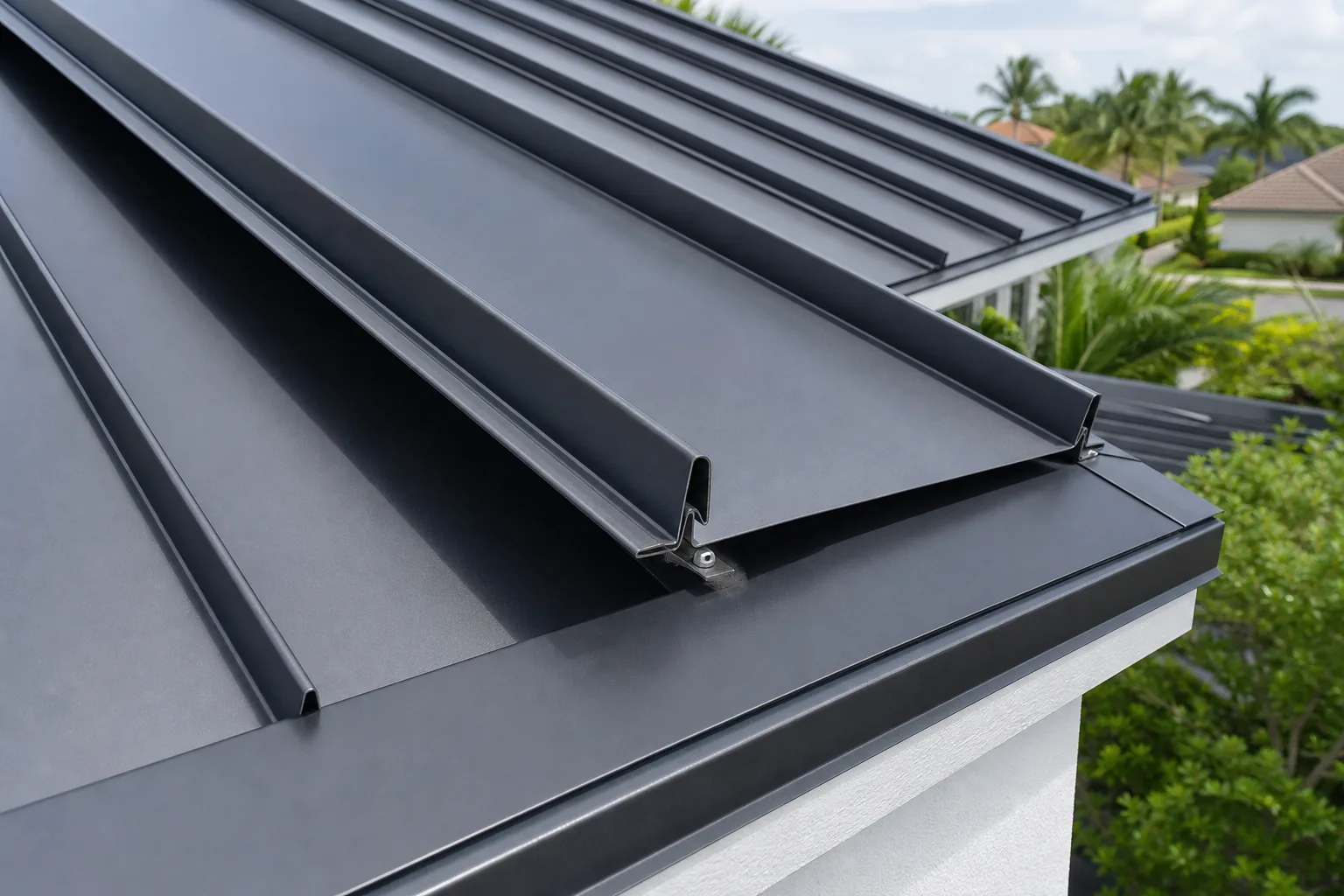
The visible metal is only one part of a roofing system. A complete proposal may address the existing roof, deck condition, water-management layers, flashings, penetrations, edges, ridges, ventilation, fasteners, trim, debris protection, cleanup, and the exact profile or panel selected. The details will not look identical on every roof, which is why a product name is not enough to explain a final price.
When you compare metal roofing installations, start by asking the contractor to identify the complete assembly rather than only the material at the top. That makes it easier to see whether two estimates describe the same preparation, weather details, components, and responsibilities.
A roof system also has to fit the building it protects. Its slope, geometry, structural substrate, attic conditions, walls, transitions, drainage paths, and surrounding features all affect the work. A careful proposal connects the selected system to those conditions instead of treating the roof as a simple rectangle.
Why Metal Can Be a Different Investment
The earlier article compared metal with other roofing materials and emphasized durability, design options, and long-term planning. Those are still reasonable areas to discuss, but none of them makes every metal roof the same value for every home. A material may be a strong fit when its profile, maintenance expectations, roof-system requirements, and installed scope match the property and the homeowner's priorities.
Metal systems come in different panel and profile styles. Some create a clean exposed-panel appearance; others are designed to resemble more traditional roof forms. The finish, coating, accessories, gauge or panel specification, attachment approach, and manufacturer documents may all differ. A proposal should identify the exact system so you can compare it with a different metal option or an alternative roofing material on equal terms.
Ask the contractor to explain the tradeoffs in plain language: how the system looks on the home, what maintenance it needs, how details are handled, which current product documents apply, and why it is appropriate for the observed roof. That is more useful than relying on a general statement that metal is always the best or most economical choice.
The Main Factors Behind a Metal-Roof Proposal
Roof size is a starting point, not a complete price. A larger roof generally needs more material and labor, but the actual measure, waste factor, panel layout, and complexity can change the quantity and work involved. A roof with intersecting planes, valleys, hips, dormers, skylights, walls, chimneys, or frequent penetrations typically calls for more planning and detail than a straightforward shape.
Pitch and access also matter. Steeper areas, difficult access, landscaping or exterior features that need protection, multi-story conditions, and limited staging space can affect the project plan. Those are not surprise fees that should appear without explanation; they are reasons a reliable estimate should be based on an actual evaluation rather than a generic online calculator.
Existing roof conditions are equally important. A visible roof covering can conceal prior repairs, damaged areas, moisture-related concerns, or deck conditions that are not fully knowable until work reaches the relevant layer. Ask what the contractor observed before the proposal, which assumptions are included, and how a discovered condition would be photographed, priced, and approved.
Material, Profile, and Finish
The legacy guide listed aluminum, copper, tin, and zinc. Those names show how broad the historical metal-roof category can be, but they are not a current product menu from Affordable Roofing Systems. Availability, suitability, finish options, system requirements, warranties, and local project conditions can change. Request the exact material and product documentation that will govern your project rather than making a decision from an older list.
Profile selection is not only a curb-appeal decision. The chosen system determines compatible trim, flashings, closures, fasteners, ridge details, and transitions. A lower initial number can describe a different panel or omit elements that another proposal includes, so compare the written scope before treating two material names as equivalent.
Preparation, Water Management, and Detailing
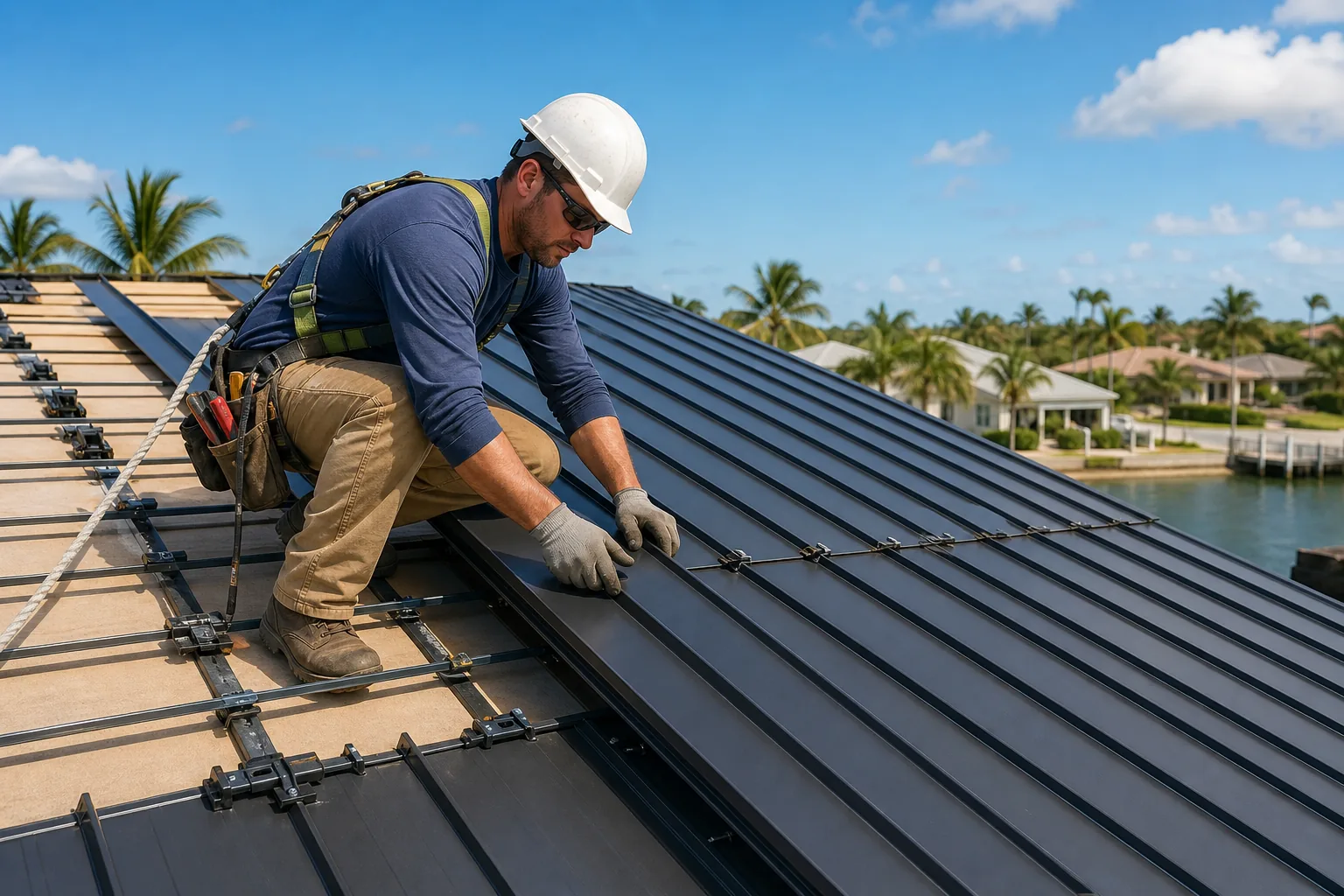
A proposal should state what happens below and around the metal. Underlayment or other protective layers, deck preparation, flashing, wall connections, penetrations, valleys, eaves, ridges, and transitions need to be compatible with the selected system. They are not optional footnotes; they are part of the roof's water-management plan and part of the scope you are buying.
It is fair to ask a local metal roofer in Tampa to show where those details are covered in the written proposal. The answer does not need to be a homeowner installation lesson. It should make clear what system components are included and how roof-specific conditions will be addressed.
How to Compare Two Metal-Roof Estimates
Put proposals side by side and compare the complete scope, not just the total price. Begin with the product: is the same named metal system, profile, finish, accessory package, and warranty discussion included? Then compare removal or preparation, deck assumptions, protective layers, flashing and trim details, ventilation, permits, property protection, cleanup, and the process for concealed conditions.
A lower proposal may be a good value when it genuinely describes the same work. It may also be incomplete or built on different assumptions. A higher proposal is not automatically better either. Ask each contractor to explain the differences in writing so the comparison is based on the actual roof system rather than a collection of marketing words.
For a broader overview of material options, residential metal roofing information can help frame the discussion. The final decision still belongs to the roof-specific scope, current product requirements, and documented project conditions.
Questions That Make the Price Clearer
- What exact metal system, profile, finish, accessories, and current product documentation are included?
- What preparation, tear-off, deck assumptions, protective layers, flashing, trim, ventilation, cleanup, and permits are in the price?
- Which roof conditions were visible at the estimate, and which can only be confirmed after existing materials are removed?
- How will concealed damage or a scope change be documented, priced, and approved before the work proceeds?
- What maintenance, access, and warranty records should the homeowner keep after installation?
Avoid Using Historic Price or Performance Figures
The original article included historic installed-cost ranges, possible energy savings, wind resistance, and warranty language. Those figures can become inaccurate as materials, labor, local requirements, product lines, and manufacturer terms change. They also cannot account for the condition and geometry of an individual roof.
Use current, project-specific information instead. A contractor can explain the named system, the assumptions behind the proposal, and where current manufacturer or warranty documents apply. If energy comfort is part of your decision, discuss the roof along with insulation, ventilation, attic conditions, ceiling assembly, and the rest of the building rather than expecting a roof label to guarantee a particular result.
The legacy resource also included a short video, Watch 5 Reasons To Choose Metal Roofing. Treat it as general background rather than a substitute for current product documents or an on-site evaluation.
Make the Next Conversation Useful
Before requesting an estimate, collect what you already know: the age and history of the roof, prior leaks or repairs, interior stains, material preferences, access constraints, homeowner-association rules, and questions you want answered. Photos can help describe a condition, but they do not replace an evaluation of the roof system and the details that may be hidden from view.
When you speak with a contractor about residential and commercial metal roofing, ask for a scope you can take time to review. A confident decision comes from seeing how the proposed system fits the property, understanding what the price includes, and knowing how changes will be handled—not from accepting the fastest or simplest-looking number.
That is the practical answer to the cost question. A metal roof is worth comparing as a complete project: the exact system, the roof beneath it, the details around it, and the clear written plan for completing the work.
Considering a metal roof?
Discuss a Metal Roofing Scope
Request a free roofing estimate from Affordable Roofing Systems to review your roof condition, material options, and the details that belong in a complete metal-roofing proposal.
Schedule a free roofing estimate