Stone-Coated Metal Roofing Pros and Cons
Compare stone-coated metal roofing’s appearance, system requirements, maintenance, and tradeoffs before choosing a Tampa Bay roof...
What Is Stone-Coated Metal Roofing?
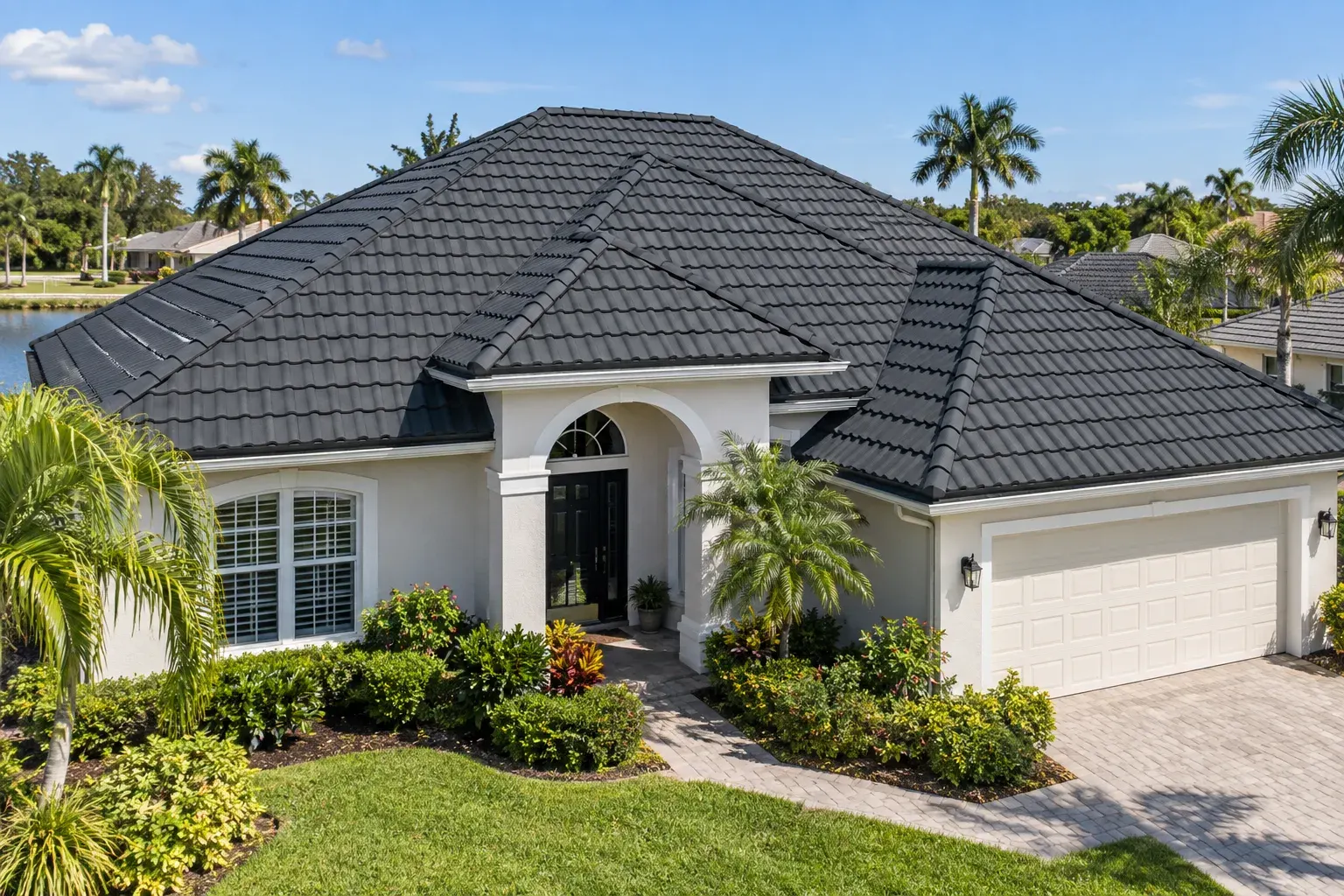
Stone-coated metal roofing is a category of metal roof that uses individual steel panels with a textured, stone-granule surface. Rather than presenting as a broad exposed panel, the finished roof can use profiles that suggest tile, shake, or shingle. That gives homeowners a way to consider a steel-based system without choosing the look commonly associated with standing-seam metal.
The category is useful to understand, but the name alone is not a complete specification. The selected panel profile, coating, attachment method, underlayment, flashing, ventilation, roof slope, and existing roof condition all affect whether a particular system fits a home. Treat the product as one part of a complete roofing assembly rather than a surface choice made in isolation.
How Stone-Coated Panels Get Their Finish
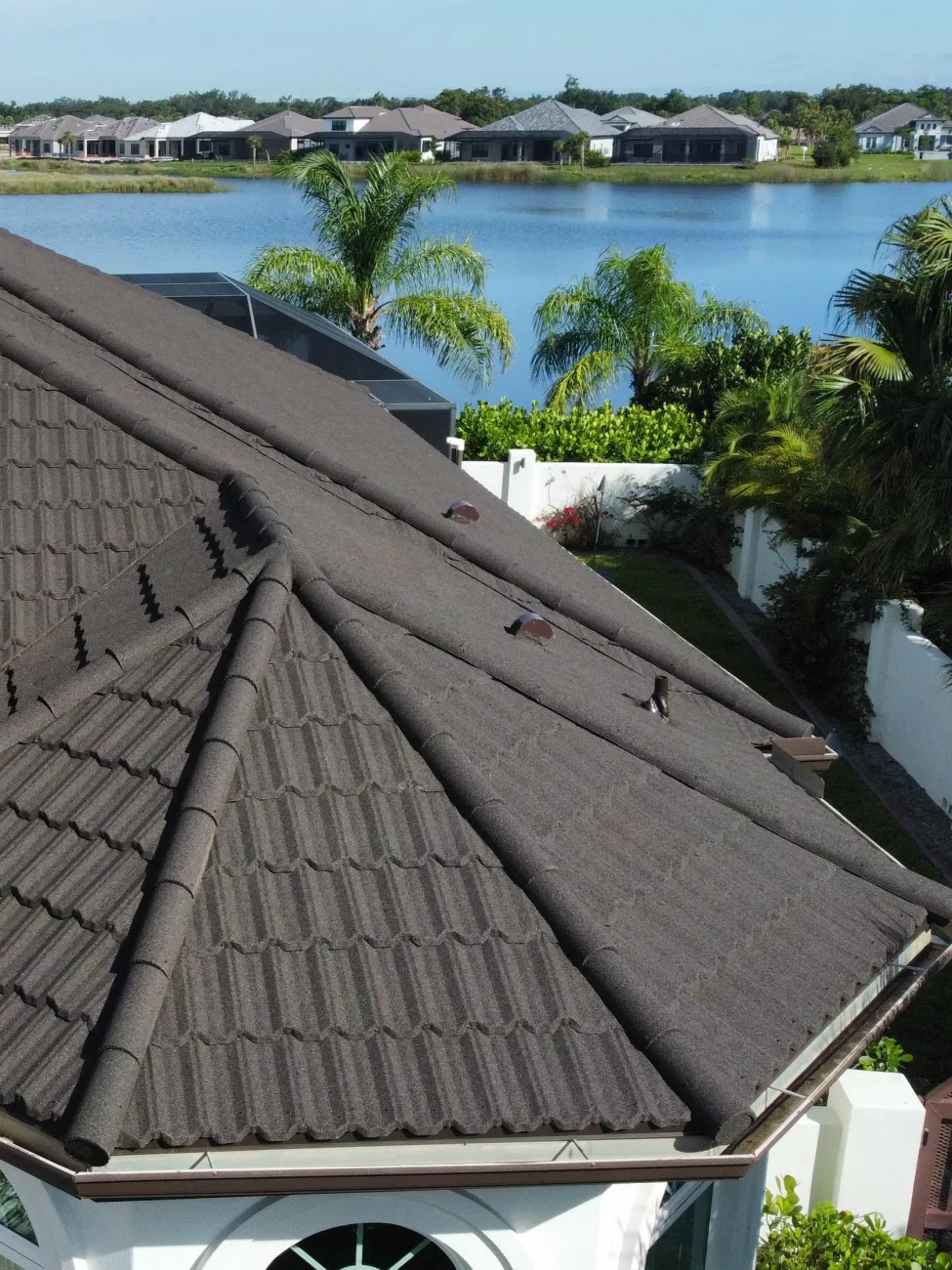
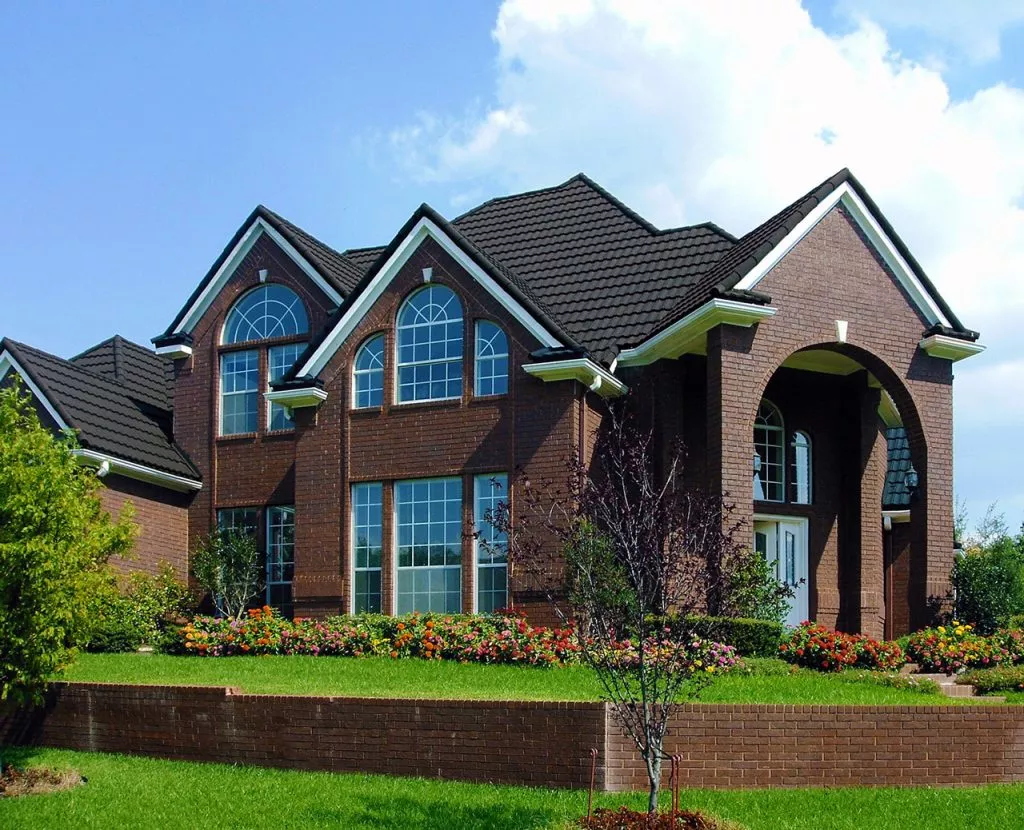
A stone-coated panel starts with a coated steel base and receives a surface layer of embedded stone granules. The granular finish changes both the visual texture and the way the roof reads from the street: it can look more dimensional and less like a smooth painted panel. It is one reason this material is often considered for homes whose architecture calls for the visual weight of tile or shake.
Surface texture does not eliminate the need to compare product documentation. Color retention, available profiles, warranty terms, approved accessories, and performance ratings vary by manufacturer and system. A contractor should identify the exact product being proposed—not simply say “stone-coated metal”—so the homeowner can compare like for like.
Profiles Can Change a Home's Character
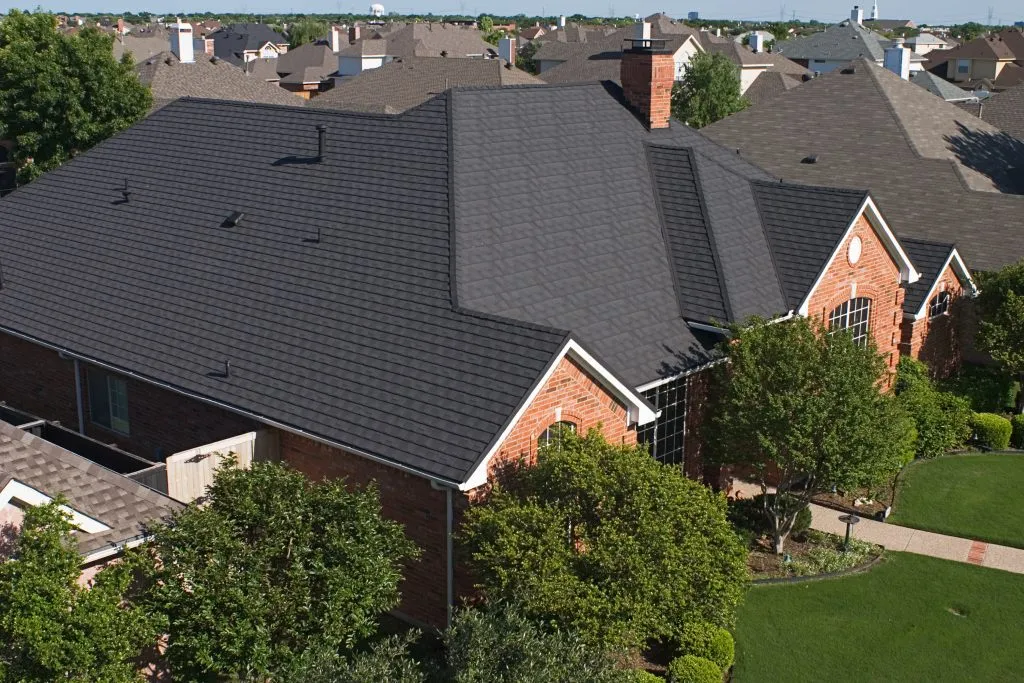
A tile-like profile may complement Mediterranean or coastal architecture, while shake- and shingle-like profiles can suit more traditional homes. Because the roof covers such a large visual area, its profile, color, ridge treatment, and edge details can shift the whole character of the exterior. Samples are helpful, but they should be viewed outdoors and alongside the home's masonry, siding, trim, and landscape.
Profile selection also has practical implications. Valleys, hips, ridges, walls, penetrations, skylights, transitions, and roof-to-wall connections need details compatible with the chosen system. A product that looks right on a simple gable may require more planning on a roof with multiple intersections and changes in slope.
Potential Advantages of Stone-Coated Metal
The strongest case for stone-coated metal is usually a combination of appearance and system characteristics, not one universal “best” feature. It may be attractive when a homeowner wants a textured, traditional-looking roof while considering the qualities of a steel-based panel system. The benefits below are comparison points to verify for the exact product and installation scope.
Distinctive Appearance With Metal-Based Construction
For many homeowners, the benefit begins with the finish. The stone-granule surface can create depth and a less uniform sheen than a conventional smooth metal panel. With the right profile, it can support a design direction that resembles tile, shake, or dimensional shingles while still being part of a metal roofing category.
That distinction matters when curb appeal is an important part of a replacement decision. It lets you compare visual alternatives before assuming that “metal” means one narrow appearance. For a broader view of profiles and planning factors, explore the current stone-coated steel roofing guide alongside the proposal for your home.
Weight and System Design
Stone-coated steel products are often considered when a homeowner likes the look of heavier traditional materials but needs the roof structure evaluated for the system actually being proposed. It is reasonable to ask how the product compares with the existing covering, any planned tear-off, the roof deck, and the home's framing. The answer should be based on the named product and local requirements, not a generic claim that every metal roof is “lightweight.”
Panel design can also bring a different approach to water shedding than other coverings. Interlocking panels, flashing, fasteners, underlayment, and edge details need to work together. Performance comes from that complete assembly and the approved installation method, so ask for the scope to explain the components below and around the visible panels.
Maintenance and Long-Term Planning
A stone-coated metal roof is not maintenance-free. It still benefits from periodic attention to debris, gutters, valleys, flashings, penetrations, fasteners, sealants, and any visible changes after a storm. The practical advantage is not a promise that nothing will ever need attention; it is the opportunity to follow a maintenance plan that fits the roof's profile, exposure, and component system.
That ongoing plan should include clear guidance about access. Homeowners should not walk on a roof without knowing the product's requirements and safe path of travel. A qualified contractor can explain how to inspect or service the roof without damaging panels or nearby details, then identify whether a condition calls for monitoring, roof maintenance, or a defined repair scope.
Practical Tradeoffs to Consider
A good material decision includes the tradeoffs before a contract is signed. Stone-coated metal can be a premium option, and it is not automatically the right fit for every roof, budget, neighborhood, or replacement timeline. Understanding the practical limits now is more useful than discovering them after material selection or installation begins.
Initial Investment and Scope
The initial investment can be higher than a basic asphalt-shingle replacement. That comparison should include more than the visible panel: tear-off or preparation, deck repairs if discovered, underlayment, flashing, ventilation work, accessories, trim, permit requirements, and labor all shape the full scope. Two quotes with the same product name can still differ meaningfully if one leaves out system components or site work.
Avoid deciding only from a per-square-foot figure or a product sample. Ask for a written explanation of what is included, what could change if concealed conditions are found, and how change orders would be handled. That makes a higher starting price easier to evaluate against the complete value and risk of the proposal.
Installation Is a System Decision
Stone-coated panels require a contractor who understands the specific profile and the details around it. Layout, fastening, flashing, starter and ridge components, transitions, and penetrations are not interchangeable with every other metal or shingle system. The installer should be able to explain how the proposed system addresses the roof's geometry and what will be inspected before work begins.
Installation timing also depends on the roof's complexity and the scope beneath the surface. A simple roof and a roof with multiple planes, valleys, skylights, walls, gutters, or deck concerns are not comparable. A realistic schedule should allow for proper preparation and weather conditions instead of treating speed as the only measure of a good installation.
Noise, Energy, and Repair Expectations
Questions about rain sound and indoor comfort deserve a whole-roof answer. The roof deck, attic configuration, insulation, ventilation, ceiling assembly, and the selected product all influence how a home experiences weather and heat. A material label cannot promise a particular indoor sound level or energy result, so it is better to discuss the existing assembly and the proposed improvements together.
Future repairs also need a practical conversation. Availability of matching panels, the condition of surrounding materials, roof access, and the location of a damaged area can affect the repair approach. Keep records of the product, color, installer, warranty documents, and photos from the project. Those records help a contractor evaluate the roof accurately years later.
How to Decide if It Fits Your Home
Stone-coated metal roofing can be a strong candidate when its profile, system requirements, investment level, and long-term care expectations match the property. It is a poor choice when it is selected only because a photo looks appealing or a salesperson treats it as a universal upgrade. The right choice begins with the existing roof and the homeowner's priorities, then tests the product against both.
Compare it with other roof categories on the same criteria: compatible slope and structure, water-management details, installed scope, visual goals, maintenance access, and budget. A general metal roofing comparison can clarify where stone-coated profiles differ from other panels, but the final recommendation should be specific to your home's roof.
Questions to Resolve Before You Commit
- What exact panel profile, finish, color, components, and manufacturer documentation are included in the proposal?
- Is the product compatible with this roof's slope, structure, valleys, walls, penetrations, drainage, and architectural details?
- What preparation, tear-off, deck work, underlayment, flashing, ventilation, edge details, and cleanup are included?
- How will unexpected roof-deck or water-management conditions be documented, priced, and approved if they are found?
- What access, inspection, maintenance, and repair guidance should the homeowner follow after installation?
Begin With an On-Site Review
Before selecting a system, start with a professional roof inspection. It can identify conditions that influence the recommendation, including deck deterioration, drainage concerns, flashing issues, ventilation needs, prior repairs, and roof areas that may require a different system. That is the information a homeowner needs to compare a stone-coated option with confidence.
A useful proposal should connect the material choice to the actual roof, explain what is included, and make tradeoffs clear. That process protects the design intent of the home while keeping the decision grounded in installation details and long-term care.
Considering a roof replacement?
Compare Stone-Coated Options With Confidence
Request a free roofing estimate from Affordable Roofing Systems to discuss your roof's condition, the material systems that fit it, and the details that belong in a complete replacement scope.
Schedule a free roofing estimate