Concrete Tile Roof vs Asphalt Shingles
Compare the structural, scope, weather, maintenance, and budget questions that help you choose between concrete tile and asphalt shingles...
Table of Contents
- Start With the Roof and Home You Have
- Concrete Tile Is a System, Not Just a Heavy Surface
- Asphalt Shingles Can Suit a Broad Range of Roofs
- Compare Cost as a Complete Scope, Not a Price Per Square
- Weather, Heat, and Fire Ratings Depend on the Assembly
- Service Life, Maintenance, and Environmental Planning
- Weight, Slope, and Roof Geometry Need Early Review
- Read Warranties and Project Documents Carefully
- Choose a System That Fits the Home and the Plan
Concrete tile and asphalt shingles can both be appropriate for a Florida home, but they ask different things of the roof system and the homeowner’s plan. Tile brings a distinct profile, a heavier assembly, and a different conversation about structure and service. Asphalt shingles offer a familiar system with a broad range of product choices and a different upfront scope. Neither label alone tells you which option belongs on a particular house.
The legacy article compared longevity, cost, durability, weight, fire, hail, wind, energy use, and warranties. Those are still the right categories to consider. The practical way to use them is to connect each one to the actual roof: its framing, slope, deck condition, valleys, penetrations, drainage, attic, local requirements, and the full scope proposed by the contractor.
This guide turns that list into a more useful decision path. It does not promise that one covering will always outlast or outperform the other. Instead, it explains the questions that help a homeowner compare two complete roofing systems before choosing a direction.
Start With the Roof and Home You Have
A material comparison should begin with the existing home, not with a generic scorecard. Roof pitch, framing, deck condition, roof-to-wall transitions, valleys, chimneys, skylights, drainage paths, attic ventilation, and access can all change what a replacement involves. A broad, simple roof and a roof with many changes in plane may need very different details even when the homes have a similar footprint.
The first question is whether the project is a repair, a full replacement, or a change from one roofing material to another. Changing materials may affect more than the visible covering: underlayment, flashing, fastening, trim, edge details, drainage, and adjoining components all need to work together. A comparison becomes meaningful only when each option accounts for that complete assembly.
A professional roof inspection can identify the conditions that belong in the comparison before a homeowner tries to evaluate quotes line by line. That helps prevent a visible material choice from obscuring the structural or water-management work underneath it.
Concrete Tile Is a System, Not Just a Heavy Surface
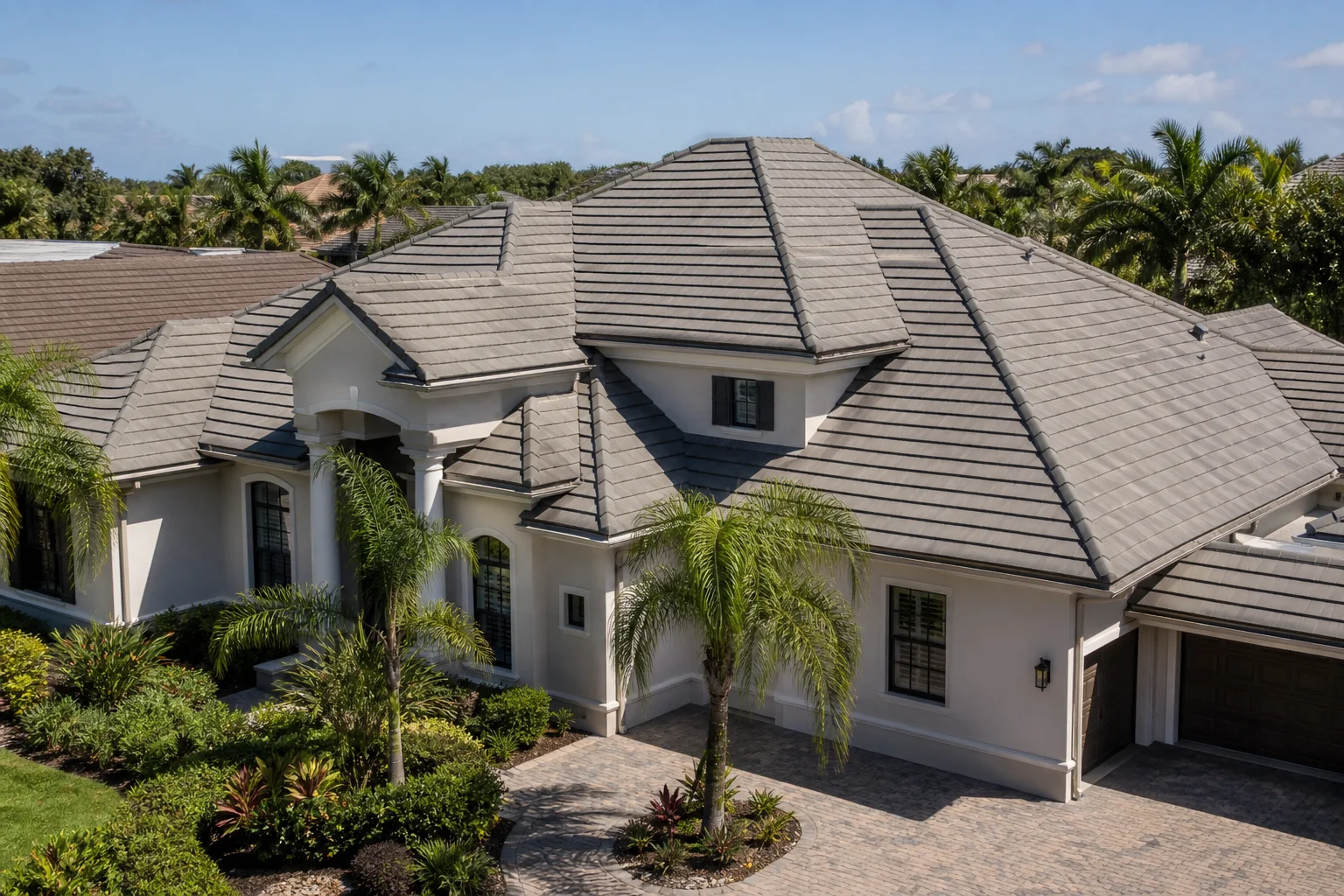
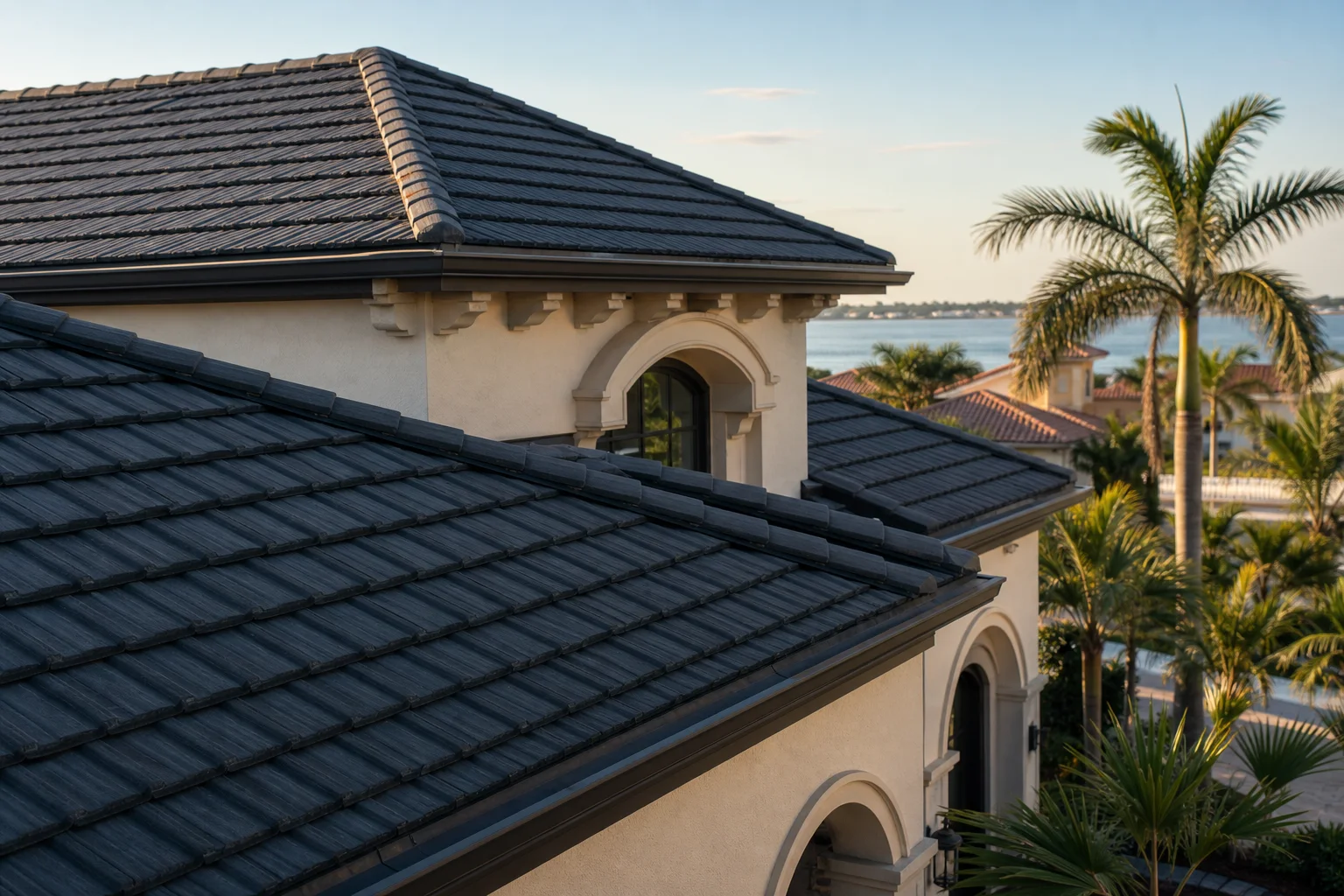
Concrete tile is often selected for its architectural character and its ability to provide decades of service when the complete system is properly designed, installed, and cared for. The visible tiles are only one part of that system. Underlayment, flashing, battens or attachment details where applicable, ridge work, penetrations, edge conditions, and the roof deck all contribute to how water is managed.
Tile should not be treated as a universal upgrade simply because it feels substantial. Tiles can crack if walked on incorrectly, may require careful replacement when an individual area is damaged, and can outlast other elements below them. A homeowner should ask which parts of the existing assembly are being evaluated and how future access and repairs will be handled.
Our tile roofing page explains the material-specific service and replacement conversation in more detail. For a comparison, the key point is that the roof needs to support the selected tile system and that the proposal needs to explain the layers and details, not only the tile profile.
Asphalt Shingles Can Suit a Broad Range of Roofs
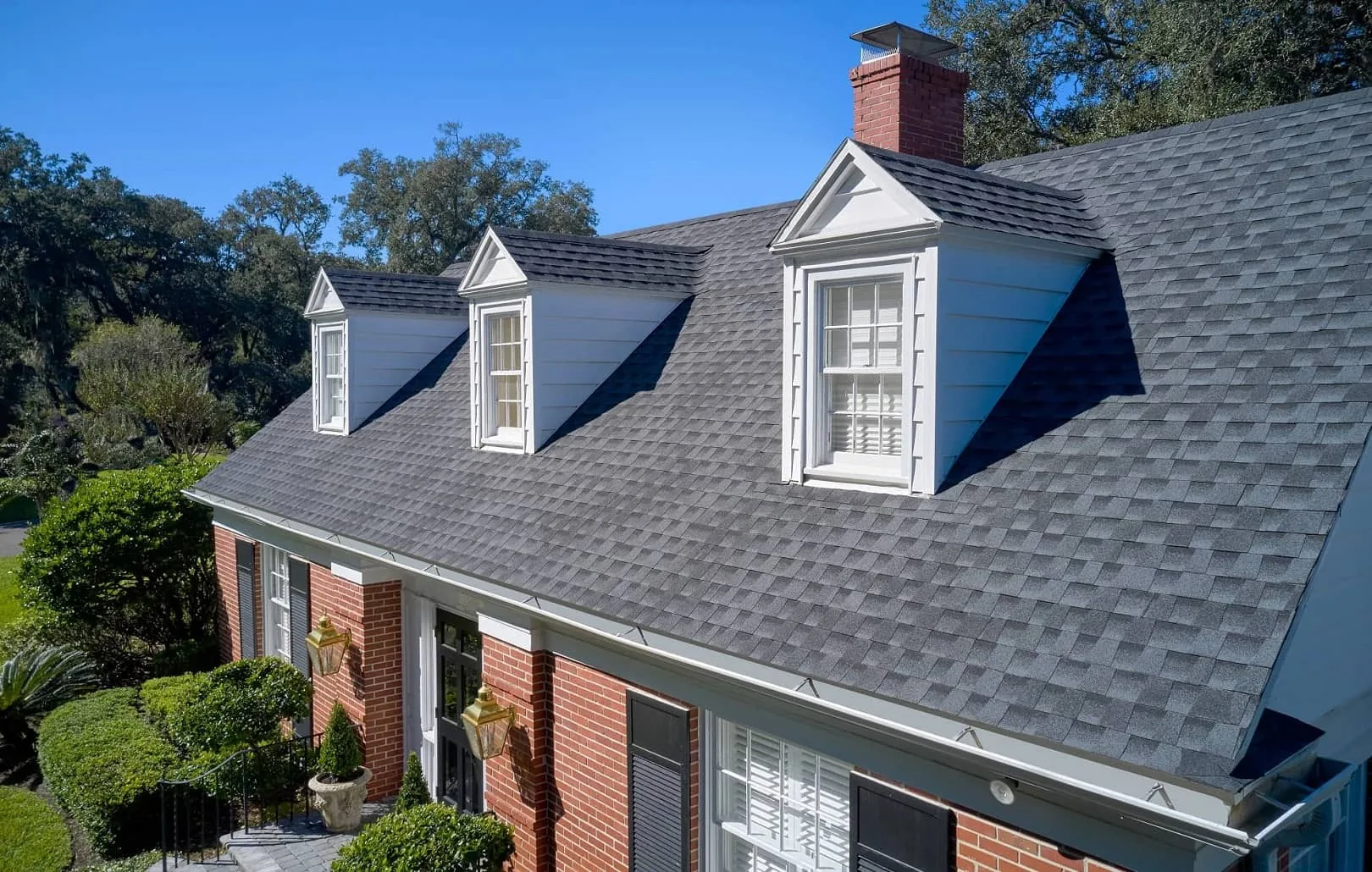
Asphalt shingles are a common residential choice because they offer many colors, profiles, and price points and can work well across a wide variety of roof shapes. Their modular format can be practical on roofs with hips, valleys, dormers, or other detailed geometry. That flexibility does not make every shingle scope equivalent; the product line and installation details still matter.
A sound shingle system depends on the deck, underlayment, flashing, ventilation, fastening pattern, starter and ridge components, drainage, and compatible accessories. A lower initial materials figure should never turn an incomplete scope into a fair comparison with a more complete one. Ask what each proposal includes around valleys, walls, penetrations, eaves, ridges, and transitions.
For homeowners who prefer a traditional appearance and a roofing system that accommodates complex roof geometry, architectural shingle roofing may be the more direct fit. Our architectural asphalt shingles guide can help separate the visible shingle from the full roofing system that supports it.
Compare Cost as a Complete Scope, Not a Price Per Square
Concrete tile often begins with a different material and installation cost profile than asphalt shingles, but no single price per square can decide the project. The finished cost of either system can change with the roof area, pitch, complexity, number of stories, tear-off and disposal, deck repairs, underlayment, flashing, ventilation, access, permits, material profile, and surrounding fascia or gutter work.
A material change can add scope before the new roof is even installed. If tile is under consideration, ask what structural review or preparation the existing home needs and whether that work is included in the proposal. If shingles are under consideration, ask which product line and system components are included rather than assuming every asphalt option is interchangeable. The more clearly those details are documented, the more useful the total becomes.
A full roof replacement estimate should let you compare the complete work, not only the finish material. If payment timing is an important part of the decision, review available financing options alongside the written scope rather than using financing as a substitute for understanding the work.
Weather, Heat, and Fire Ratings Depend on the Assembly
Heat, wind-driven rain, hail, and storms are sensible concerns for Florida homeowners. The useful question is not whether the word “tile” or “asphalt” guarantees a result. Performance depends on the selected product, the tested or approved assembly, attachment and edge details, roof geometry, flashing, local requirements, and the structure beneath the roof covering.
Many shingle and concrete tile products have documented fire classifications, but those classifications apply to particular products and assemblies. Wind and impact language also needs the same care: ask the contractor to identify the actual materials, installation method, and documentation that apply to the proposed roof rather than relying on a broad material claim.
Energy planning is similarly a whole-home question. Tile can create air space within its roofing design, and a specific shingle color or product may have its own documented properties. Indoor comfort and utility use also depend on attic ventilation, insulation, air sealing, windows, HVAC equipment, shade, and household use. A roofing estimate should describe the roof system; it should not promise a universal energy outcome.
Service Life, Maintenance, and Environmental Planning
The legacy article correctly treated longevity as a planning issue, especially for an owner who expects to stay in the home. Concrete tile and asphalt shingles can have very different expected service discussions, but neither should be reduced to a guaranteed number of years. Product selection, climate exposure, installation quality, ventilation, maintenance, storm events, and the condition of the supporting assembly all influence what happens over time.
Tile may remain visible longer than underlayment, flashing, fasteners, or other parts of the system. Shingles may allow targeted repairs in some situations, but the feasibility and appearance of that repair can depend on age, product availability, weathering, and the location of the issue. In either case, a homeowner benefits from keeping project records and addressing changes before they become a water path.
Environmental questions also deserve more than a simple label. Replacement frequency, durability, manufacturing inputs, transportation, removal, recycling options, and the performance of the whole building all matter. Request product-specific documentation for any environmental or energy claim. Consistent roof maintenance and occasional professional evaluation help either system deliver the service it was designed to provide.
Weight, Slope, and Roof Geometry Need Early Review
Weight is one of the clearest differences between concrete tile and asphalt shingles. A tile system places a different load on the home, so the framing and deck need to be considered before a homeowner assumes an existing shingle roof can simply receive tile. The right review is specific to the property and proposed system; it should not be replaced by a general statement that a roof looks strong enough.
Roof slope and geometry matter as well. A material may work beautifully on one roof profile and call for a different approach on another. Valleys, hips, ridges, transitions, penetrations, low-slope areas, drainage, and access can influence product selection, detailing, labor, and future maintenance. Those conditions should be visible in the proposal.
This is why a comparison should begin with the home instead of an online material ranking. The contractor should be able to explain what was observed, what the proposed system requires, and which unknown conditions could change the scope once work begins.
Read Warranties and Project Documents Carefully
Warranty language varies by manufacturer, product line, installation method, accessory requirements, registration process, exclusions, and workmanship agreement. A long-sounding term does not tell you what is covered, who provides the coverage, which conditions apply, or what documentation a homeowner needs to retain. Ask for the actual documents for the exact system being proposed.
Before signing, confirm the product names, colors or profiles, scope of tear-off, underlayment, flashing, ventilation, edge details, property protection, cleanup, payment schedule, change-order process, permit responsibility, and written workmanship terms. A clear project record supports a better comparison today and a more informed service conversation later.
Questions to Ask Before Choosing a Roofing System
- What conditions in this home’s framing, deck, roof slope, attic, and drainage affect each option?
- What exact covering, underlayment, flashing, trim, ventilation, and accessories are included in each scope?
- How will valleys, penetrations, wall transitions, ridges, edges, and water-management details be handled?
- Which product-specific performance documents and warranty terms apply to this proposed assembly?
- What maintenance, access, and repair considerations should I expect over the time I plan to own the home?
Choose a System That Fits the Home and the Plan
Concrete tile may be a strong option when the home can support the system, the roof design suits it, and the owner values its profile and long-term planning characteristics. Asphalt shingles may be the more practical choice when the roof geometry, desired appearance, budget, and project scope point in that direction. Neither answer should come from one line item or a broad claim about which material always wins.
The best decision is usually the one supported by a roof-specific assessment and a written scope that explains the full system. That gives a homeowner a fair basis for comparing materials, understanding the assumptions behind the price, and choosing an approach that fits the house rather than a generic ranking.
If you are deciding between tile and shingles for an upcoming project, ask for the details that connect the material to your roof. A clear explanation of the system is more valuable than a quick promise about lifespan, weather resistance, or savings.
Choosing between tile and shingles?
Compare the Right Roof System for Your Home
Request a free roofing estimate from Affordable Roofing Systems to discuss your existing roof, the materials under consideration, and the full scope needed for your home.
Schedule a free roofing estimate