Different Types of Roofing Shingles
Compare asphalt shingle profiles, construction, tradeoffs, and the questions that help you choose a roof system for your home...

Table of Contents
- Start With the Roof System, Not a Shingle Label
- Compare Asphalt-Shingle Construction and Profile
- Match the Shingle Profile to the Home
- Read Product Names and Availability as Current Decisions
- Understand Benefits Without Treating Them as Guarantees
- Compare Tradeoffs and Other Steep-Slope Materials
- Compare Whole-Project Costs, Not Historic Price Ranges
- Turn Samples and a Written Scope Into a Decision
A shingle choice is easy to reduce to color, a brand name, or a single price. A roof is more consequential than that. The profile you see is part of a system that must suit the home, the roof geometry, the selected components, the installer’s written scope, and the manufacturer’s current requirements. The useful question is not simply which shingle is best; it is which documented system makes sense for this roof.
The legacy articles covered the main asphalt-shingle categories, matching a shingle to a home’s style, and the importance of working with a professional who can explain the decision. This consolidated guide keeps those practical ideas while removing historical prices, discontinued product references, and performance promises that should not be treated as current facts.
Use it as a comparison framework. A roof inspection and a written proposal still determine what is appropriate for a particular home, and current product literature controls the available colors, warranty eligibility, and installation requirements.
Start With the Roof System, Not a Shingle Label
Most homes in the category discussed by the source use roofing shingles as the visible, water-shedding surface. That visible layer works with underlayment, starter materials, flashing, ventilation where the design calls for it, fasteners, transitions, and the roof deck beneath it. A proposal that names only the shingle leaves important questions unanswered.
Begin by asking what condition the existing roof is in and what the scope includes. Is the work a localized repair or a replacement? Which components are being removed, retained, or replaced? How will penetrations, valleys, eaves, walls, and ventilation details be handled? Those answers make it possible to compare shingle options without confusing a product sample for the complete roof.
What Is Part of a Shingle System?
A sound comparison lists the roof deck condition, moisture protection layers, edge and transition details, the field shingles, ridge or hip treatment, ventilation approach, and workmanship responsibilities. The exact components depend on the roof and local requirements. Asking for them in writing helps prevent two quotes with the same shingle name from being mistaken for the same scope.
It also keeps a homeowner from assuming that a premium-looking shingle alone resolves every concern. Water management, attachment, detailing, and installation quality all matter to the finished system.
Compare Asphalt-Shingle Construction and Profile
The source identified asphalt as the familiar residential choice because it can offer a broad range of appearances and price points. Modern asphalt roofing shingles are commonly discussed by their profile and construction. Product names, colors, ratings, and availability change, so a current sample and manufacturer document should always outrank an older blog reference.
The broad labels are useful only if they lead to better questions: what visual depth does the home need, what does the selected product require, which system components are included, and what is actually available for this project? A contractor should be able to compare those answers without pushing a homeowner to decide from a brochure alone.
Architectural, Three-Tab, and Designer Labels
Architectural shingles are commonly selected for a layered appearance that can create more visual depth than a basic flat pattern. Designer lines may use different shapes, blends, or profiles for a more distinctive look. Three-tab shingles are another historic category, but their availability and suitability should be confirmed rather than assumed from old content.
These labels do not establish a universal level of durability, storm performance, or warranty coverage. Compare the exact product, the written scope, applicable code, and current manufacturer documentation. The right option is the one whose appearance and requirements fit the roof—not the one with the most impressive label.
Match the Shingle Profile to the Home
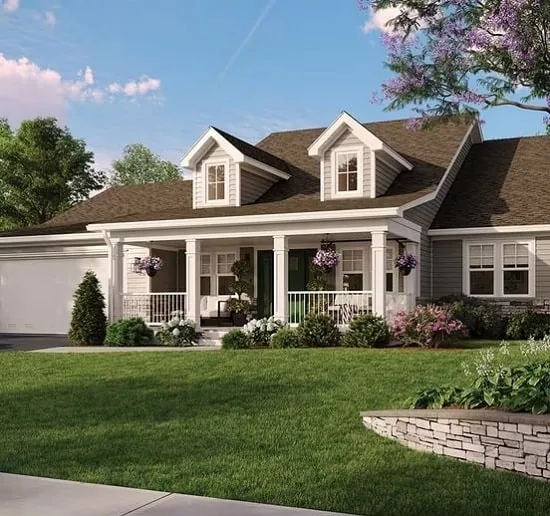
The matching guide in the legacy site made a simple point that remains useful: a roof occupies a large part of the exterior, so its color, texture, and shadow lines should be considered with the home rather than in isolation. View samples outside, at different times of day, and from the street. A small swatch can read very differently across an entire roof.
Look at the siding or masonry, trim, landscaping, roof pitch, and the amount of visible roof plane. A high-contrast blend may make sense on one home and feel busy on another. A softer tonal choice can complement a home without trying to match every exterior element exactly. Local association or community rules, when applicable, are another practical check before ordering materials.
For an asphalt shingle roof, use a real sample and an elevation of the house to narrow the options. The decision should feel coherent from the curb, but it still needs to work with the system, budget, and current product specifications.
A Home-Style Review Checklist
- Review full-size samples outdoors, not just a screen image or a small indoor swatch.
- Compare the profile and blend against the siding, trim, masonry, and the size of the visible roof planes.
- Confirm current product availability before making a final selection or relying on an older model name.
- Ask whether the selection affects any documented system components, local requirements, or association approvals.
Read Product Names and Availability as Current Decisions
Older articles often list individual collections and models. That can be helpful vocabulary, but it is not a current catalog. Manufacturers revise colors, specifications, designations, and regional availability. Ask the contractor to identify the exact product proposed and give you the current technical and warranty documents that apply to that selection.
The source referred to GAF product families and to an Affordable Roofing's GAF warranty. Treat both as a prompt to verify present conditions, not as a promise that a particular material or coverage is available for every roof. Eligibility can depend on the chosen product, installed components, contractor status, registration, and the governing warranty terms.
Understand Benefits Without Treating Them as Guarantees
Asphalt shingles can be a practical choice when the profile, system design, and installation suit the home. They offer many visual options, can work across varied residential styles, and are familiar to homeowners and roofing professionals. Those are reasons to consider them—not automatic guarantees about lifespan, wind, impact, water intrusion, energy use, or future repair cost.
The more useful discussion is specific. Ask which product characteristics are relevant to the roof, what the manufacturer states, how the roof will be installed, what conditions could affect performance, and how the final scope addresses the transitions and details that matter on this home.
Compare Tradeoffs and Other Steep-Slope Materials
The consolidated sources also mentioned metal, clay or tile, wood, and slate. Each has distinct appearance, weight, detailing, maintenance, cost, and structural considerations. None can be called the right choice without looking at the home, the roof’s slope and complexity, local requirements, and the owner’s priorities.
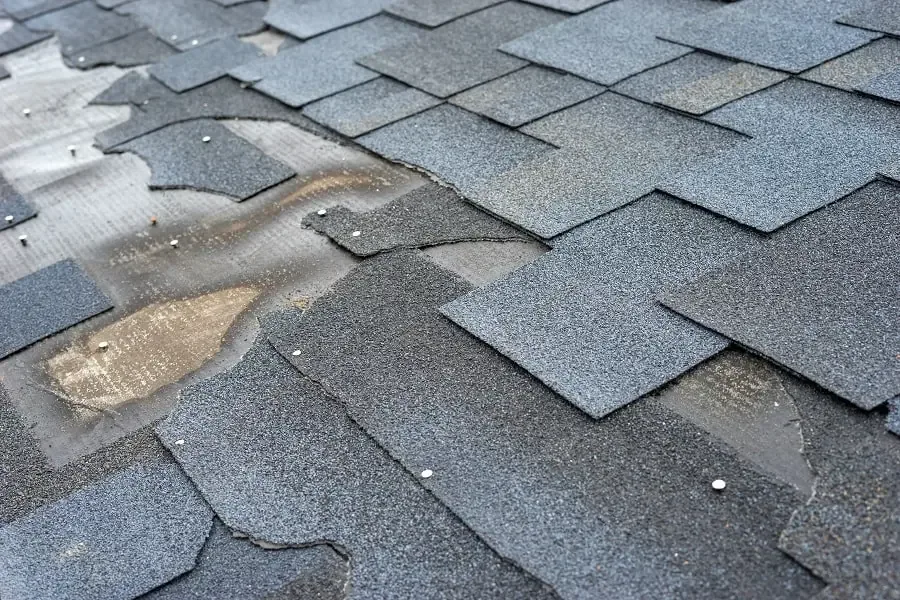
If you are considering a different material because the current roof has a problem, first separate the material decision from the condition diagnosis. A leak, worn flashing, ventilation issue, or localized damage may not itself answer whether the entire roof should change materials. A documented assessment gives that comparison a more reliable starting point.
A reputable local Tampa roofer can explain the tradeoffs in a written scope, including where a selected material requires different details or structural review. The goal is not to sell the most expensive material; it is to make the material and the roof system agree.
Compare Whole-Project Costs, Not Historic Price Ranges
The old articles included price ranges that are no longer useful as a decision tool. A roof’s cost varies with its size, pitch, access, geometry, existing condition, selected materials, system details, permit-related work, and the scope required to address what is found. A number without those conditions can make two different jobs look comparable when they are not.
Request itemized written proposals and compare the included work before comparing totals. Clarify what each proposal assumes about removal, deck repair, flashing, ventilation, cleanup, disposal, and changes discovered after work begins. A clear scope makes a budget conversation more honest and gives a homeowner a record to return to.
Turn Samples and a Written Scope Into a Decision
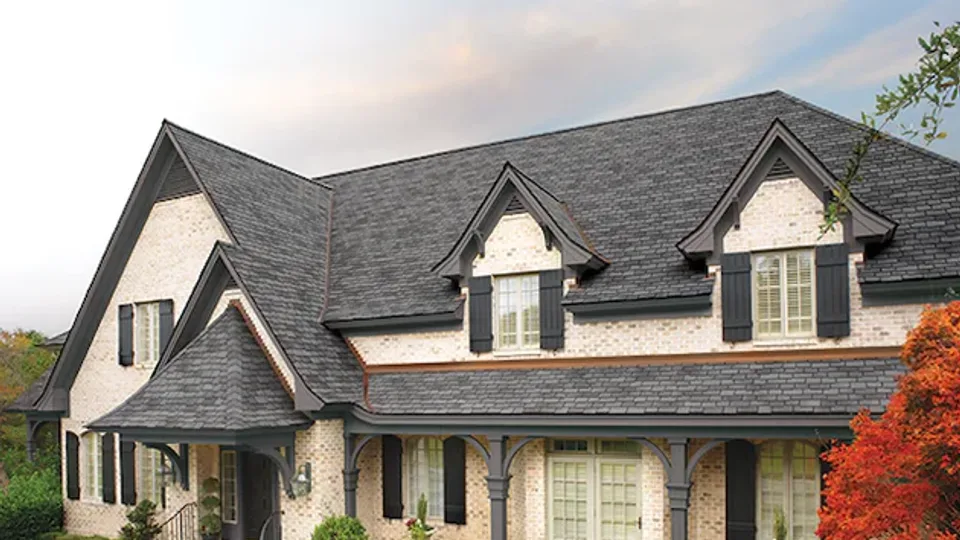
Bring the visual and technical sides of the choice together. Compare samples at the home, then make sure the selected product appears by name in the proposal along with the relevant system components. Confirm the contractor’s explanation of the installation, the documents that govern warranty eligibility, and the process for addressing an unforeseen condition.
The two feeder articles encouraged readers to work with a trusted roofing contractor. That advice is still useful when it means choosing a professional who will explain the materials, document the scope, and give you time to review. A search phrase is not proof; the written details and your verification are what make the decision dependable.
Whether you start by comparing shingles for roofing at home, use the same final test: the roof condition, product selection, scope, and current documentation should all tell the same story.
Considering shingle roofing?
Compare a Shingle Roofing Scope
Request a free roofing estimate from Affordable Roofing Systems to discuss the roof condition, available shingle options, and the written scope before making a material decision.
Schedule a free roofing estimate