GAF Roofing Products
Explore GAF shingle styles, starter strips, system components, cool-roof considerations, and what to verify before choosing a Tampa Bay roof...
Table of Contents
- A GAF Roof Is More Than the Visible Shingles
- Choose a Shingle Profile for the Home
- Read Legacy Product Names With Context
- Starter Strips and Accessory Layers Are Part of the Decision
- Cool-Roof Features Need Product-Specific Review
- Use Written Warranty Documents, Not General Labels
- Build a Product List Around Your Roof
The seven legacy GAF articles behind this guide each focused on one product, component, or claimed benefit. Read together, they point to a more useful homeowner question: how do shingle style, accessory layers, local conditions, and the written scope fit together before a roof is specified?
A product name can start the conversation, but it should not end it. A complete selection considers the roof shape, deck condition, drainage, flashing, ventilation, color, installation method, available product documentation, and the warranty terms for the exact system proposed. This guide organizes those decisions without treating an older product article as a current specification.
A GAF Roof Is More Than the Visible Shingles
The shingles are the most visible part of a steep-slope roof, but they are only one layer in the assembly. The legacy starter-strip article correctly emphasized that the roof edge deserves attention: the first course, attachment, underlayment, leak protection, flashing, ventilation, ridge treatment, and transitions all need to work with the selected shingles. A roof can look finished from the street while important performance details remain unaddressed.
That is why product comparison should begin with the roof plan rather than a color board. Ask which components are included, which are optional, and how the roof's eaves, valleys, walls, penetrations, and ridges will be handled. The answer should be specific enough to compare one proposal with another.
The Visible Shingle and the Supporting Layers
A useful product conversation separates the visible field shingle from the supporting products that help manage water, wind, heat, and roof-edge conditions. This does not mean every home needs the same accessory package. It means the proposal should explain the role of each component and identify the manufacturer instructions that apply to the exact product line.
If you want to see how current product families are organized before an appointment, review GAF's current shingle collection. Use it as research, then confirm availability, approved accessories, and installation requirements with the written scope for your home.
Choose a Shingle Profile for the Home
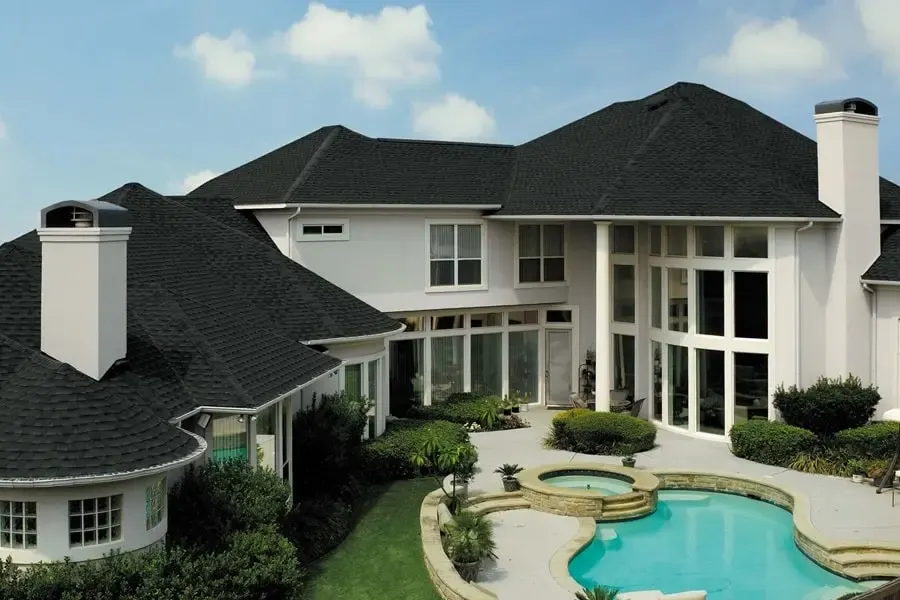
The older Glenwood and Woodland articles were strongest when they described a homeowner's design question: do you want the dimensional character associated with hand-cut wood shake or European-style shingles without choosing natural wood? That remains a valid comparison point. A shingle's tab shape, thickness, shadow line, color blend, ridge treatment, and edge details can change the way the whole home reads from the street.
Samples should be reviewed outdoors, beside the home's stucco, brick, siding, trim, stone, and landscaping. Lighting changes throughout the day, and a color that looks balanced on a small sample may read very differently across a large roof plane. The roof's geometry matters too: hips, valleys, dormers, and transitions create more visual movement than a simple gable.
Woodland as a Current Designer Example
Woodland is one current GAF designer-shingle example cited by the legacy material. Its product documentation describes a dimensional, hand-cut-European-shingle appearance, algae-protection terms, and product-specific ratings. Those details may help frame a style conversation, but they should not be generalized to every GAF shingle or every installation.
The most productive question is not whether one profile is universally better. It is whether the proposed profile, color range, accessories, roof geometry, and budget create the look and protection plan you want for this particular home.
Read Legacy Product Names With Context
Several source articles feature Glenwood, while others focus on Woodland, StarterMatch, Pro-Start, WeatherBlocker, QuickStart, and Timberline Cool Series. Those pages are useful records of the design and system concerns homeowners were comparing at the time, but product names, colors, ratings, availability, and warranty programs can change. A legacy article is not proof that a product is currently offered or appropriate for a new roof.
Keep the decision criteria and verify the specification. Ask for the current product name, the product data sheet, installation instructions, applicable approvals, compatible accessories, and the written warranty document. This is especially important when an older article promises a particular wind speed, color, energy result, or warranty period.
A Legacy Product Name Is Not a Current Specification
Use older product pages to understand the category being discussed, then make the final decision from current manufacturer documentation and a roof-specific proposal.
Starter Strips and Accessory Layers Are Part of the Decision
Starter strips sit at the eaves and rakes, where the roof begins. Their job is not decorative. They help establish the first course and are intended to work with the field shingles and their attachment method. The legacy articles named several GAF starter products, but the modern homeowner takeaway is simpler: the starter, shingle, ridge, deck-protection, and ventilation choices should be compatible with the exact system being installed.
Do not compare starter strips only by a product name or bundle description. Ask how the crew will treat eaves, rakes, valleys, roof-to-wall transitions, and areas affected by previous repairs. Those are the places where a generic materials list needs to become a real installation plan.
Begin at the Roof Edge
A good proposal can identify the starter-strip and accessory products without turning them into marketing filler. It should also describe why those components fit the selected shingles and the home's exposure. For product-category research, see GAF starter strip products, then use the project's exact written specifications—not the catalog page alone—to compare options.
Cool-Roof Features Need Product-Specific Review
The Timberline Cool Series source reflects a real homeowner concern: Florida heat can make roof and attic decisions feel urgent. What it cannot provide today is a universal energy-savings promise. The older article cited a 7% to 15% range, but energy results depend on the exact product and color, roof orientation, insulation, attic ventilation, HVAC performance, shading, local requirements, and the home itself.
A reflective or cool-roof option may be worth comparing when heat management is a priority, but ask for the exact product data and applicable rating rather than assuming that every dark shingle, cool granule, or product line performs the same way. The roofing system still needs correct intake, exhaust, roof-deck protection, and installation details.
Heat Management Is a System Question
If a home is uncomfortable, the answer may involve the roof, attic, insulation, ductwork, air sealing, or more than one condition. A product change alone cannot diagnose the cause. Treat a cool-roof discussion as part of a wider review of the roof and attic rather than a shortcut around that assessment.
Use Written Warranty Documents, Not General Labels
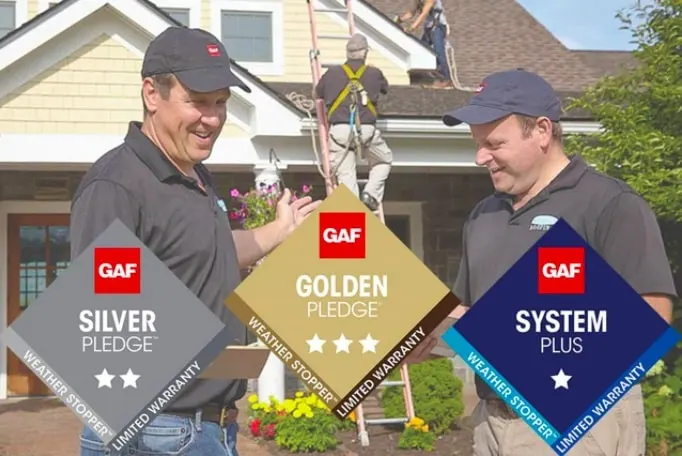
The legacy pages correctly treated warranty protection as an important part of a new roof decision. They were less useful when they converted a product label into a blanket promise. A manufacturer warranty can have eligibility rules, required components, installation conditions, registration requirements, exclusions, transfer terms, and different treatment for materials and workmanship. The exact documents control—not an old article, a sales phrase, or a badge.
Ask the contractor to identify the proposed warranty by name and provide its current written terms. Then compare what is covered, how long, which components qualify, what work must be completed by a credentialed contractor, and what conditions may limit coverage. For more context about ARS credentials and warranty conversations, see GAF Certified Roofers.
Build a Product List Around Your Roof
The best GAF product list is not a menu of unrelated upgrades. It is a roof-specific scope that names the shingles, starter strips, deck protection, leak barriers where needed, ridge treatment, ventilation approach, flashing details, and warranty path. It also explains which decisions are visual preferences and which respond to the roof's geometry, existing condition, or water-management needs.
If you are still comparing material categories, start with our guide to shingle roofing. If a roof condition, prior repair, attic issue, or storm event could affect the scope, begin with a roof inspection before narrowing the product list.
Talk Through the Next Step
Bring the style references, product names, color preferences, and questions you have collected to the conversation. A roofing professional can separate useful product research from outdated specifications, identify what the home actually needs, and explain the scope in plain language.
Ready to compare options?
Build a Roof-Specific GAF Product Plan
Request a free roofing estimate from Affordable Roofing Systems to discuss your roof, current product options, system components, and the next step for your home.
Schedule a free roofing estimate