How to Heat-Proof Your Roof this Summer
Learn how roof condition, materials, attic conditions, and a complete evaluation can shape a practical summer roof conversation...

Table of Contents
- Begin With the Roof You Have
- What a Cool-Roof Conversation Really Includes
- Roof Material Is One Part of Summer Planning
- Attic Ventilation and Insulation Need a Separate Look
- Green Roofs Are a Specialized Building System
- Repairs, Maintenance, and Timing
- Questions to Bring to a Summer Roof Review
- Make the Next Step Proportionate
Summer heat can make a homeowner look at the roof with fresh questions: Is the roof contributing to indoor discomfort? Is the material still appropriate? Is there a repair that should be handled before the hottest weather? The legacy article framed the answer around cool roofs and green roofs. Its broad performance language and simple solutions need more context before they are used for a current home decision.
A practical summer-roof conversation looks at the whole assembly. Roof color and material can matter, but so can roof condition, attic ventilation, insulation, air sealing, ceiling construction, sun exposure, roof geometry, drainage, and existing moisture or repair concerns. A roof label alone cannot guarantee a particular indoor temperature, comfort level, or utility result.
This guide preserves the legacy article's useful goal—thinking about heat before it becomes an emergency—while replacing broad promises with questions that can be answered for the actual home. It is not a guide to coating, planting, or modifying a roof yourself.
Begin With the Roof You Have
Before choosing a material or a cooling strategy, understand the roof's present condition. A visible stain, recurring leak, lifted component, aging repair, debris buildup, or drainage issue can deserve attention regardless of the season. Heat may be the reason you noticed the roof, but the next step should still be based on the condition rather than a generic summer upgrade.
A roof inspection can separate visible concerns from assumptions. It gives the contractor a chance to review the roof covering, transitions, drainage, flashings, accessible attic conditions, and other factors that affect the recommendation. Some conditions are visible before work; others may only be confirmed if a repair or replacement reaches the relevant layer.
This applies as much to a homeowner looking for residential roofing Riverview FL as it does anywhere else: a roof recommendation should begin with the building and its observed conditions, not a location-specific slogan.

What a Cool-Roof Conversation Really Includes
The legacy article described a cool roof as a surface intended to reflect more sunlight and reduce heat absorption. That is a useful starting idea, but a current recommendation has to name the exact material or system, explain its compatibility with the roof, and account for the building around it. Not every coating, panel, shingle, color, or existing roof is suitable for the same approach.
If color or reflectivity is important, ask what current product information supports the proposed system and what role the roof can realistically play within the full home. Attic insulation, ventilation, air leakage, ceiling assembly, shade, and the home's use patterns may have an equal or greater effect on indoor comfort. A complete answer avoids promising that one surface choice will solve every heat concern.
The goal is not to dismiss material selection. It is to give it its proper place in a roof-system decision. A material can be worth considering when it fits the roof, the architecture, the manufacturer requirements, the desired appearance, and the documented replacement or repair scope.
Roof Material Is One Part of Summer Planning
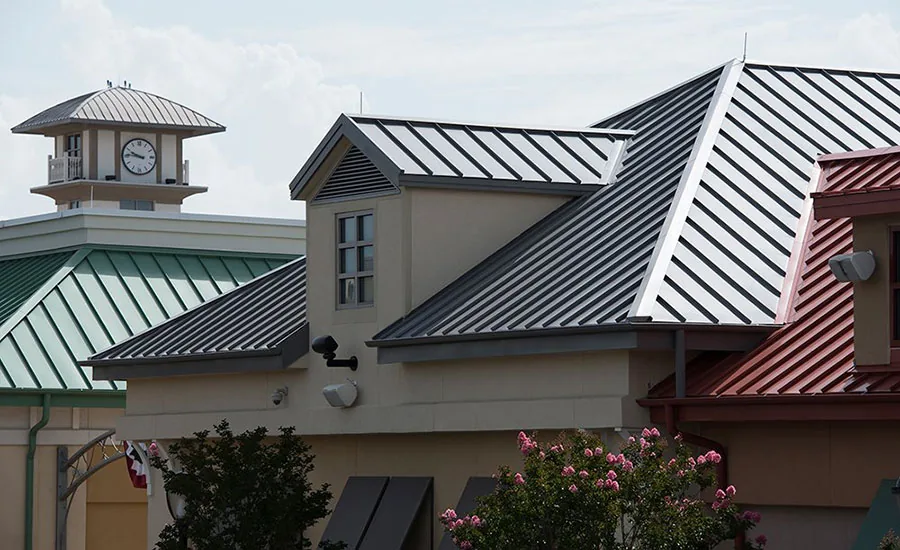
A replacement project gives homeowners an opportunity to discuss materials, profiles, colors, and system components together. For example, a metal roofing option may be considered alongside other roof categories, but it should be evaluated as a complete system rather than chosen for one promised benefit.
The selection should identify the actual product, finish, profile, accessories, flashings, protective layers, and installation details. Roof slope, geometry, deck condition, walls, valleys, penetrations, edges, ventilation, and local requirements can all shape the result. Two roofs with the same visible material can have very different scopes beneath and around it.
Ask to review material samples outdoors and compare the full proposals, not just the surface appearance. A durable decision is one that aligns the roof's visual goal with a compatible system and a written plan for the property.
Attic Ventilation and Insulation Need a Separate Look
Ventilation and insulation are often mentioned in the same sentence as a hot roof, but they should not be treated as generic add-ons. Their condition, placement, amount, pathways, and relationship to the roof assembly depend on the home. A contractor can identify visible concerns and explain which questions may need a different building professional or a more focused evaluation.
Do not assume that adding a vent, changing a roof color, or adding a roofing layer will independently correct every comfort concern. The roof, attic, ceiling, and conditioned spaces work together. A coordinated assessment is more valuable than a quick single-component answer, especially if there are signs of moisture, condensation, odors, or existing ventilation problems.
The important outcome is clarity: what is part of the roofing scope, what is observed but outside that scope, and what other information is needed before making a change. That protects the homeowner from paying for a measure that does not address the actual condition.
Green Roofs Are a Specialized Building System
The legacy article introduced green roofs as planted roof areas. They are not a default residential roofing upgrade or a simple summer treatment. A planted roof requires specialized design, structural analysis, waterproofing, drainage, root protection, irrigation considerations, maintenance planning, and coordination with qualified professionals. It should not be inferred as an Affordable Roofing Systems service from an archived educational article.
If a homeowner is exploring that kind of building project, the first question is whether it is technically and structurally appropriate for the property. It belongs in a specialized design conversation, not as a substitute for addressing the condition of an existing residential roof, its flashing, drainage, insulation, or ventilation.
The same principle applies to any complex roof modification: identify the professional roles, structural and water-management requirements, maintenance responsibilities, and approved system before work starts. A simple image or summary cannot make a specialized assembly appropriate for every home.
Repairs, Maintenance, and Timing
Summer can be a useful time to check the roof for visible changes, but maintenance should not wait until the hottest week or the first active leak. Keep gutters and drainage paths clear when it is safe to do so, watch for debris or visible changes after weather events, and seek professional guidance rather than walking on the roof or attempting a repair without knowing the system.
For homeowners researching roof repairs in Riverview FL, the first goal is still a roof-specific diagnosis. A localized repair, a maintenance task, an attic concern, and a full replacement are different responses. The work should follow the condition rather than the season or a search term.
If work is recommended, ask what can be completed safely in the expected weather window, how the property will be protected, and what happens if conditions change. A reliable plan treats timing as one part of the scope, not a reason to skip preparation or documentation.
Questions to Bring to a Summer Roof Review
Ask what was observed on the roof and in accessible attic areas, what the roof material can realistically affect, and which comfort concerns may involve other parts of the home. If a material or coating is proposed, ask for the exact product, compatibility, current documentation, preparation requirements, and the full system details around it.
Ask how drainage, flashings, penetrations, edges, ventilation, insulation, existing repairs, and possible concealed conditions fit into the recommendation. Ask what is included in the price, what is excluded, and how a changed condition would be documented and approved. Those answers create a decision record that is more useful than a broad promise about heat proofing.
If you are comparing residential roofing Riverview guidance with other resources, use the same standard: the advice should lead back to an on-site review and a scope that fits the individual home.
Make the Next Step Proportionate
Not every summer concern calls for a roof replacement, and not every roof replacement is a comfort project. Start with the condition, then decide whether the right next step is observation, maintenance, a defined repair, a roofing estimate, or another building-system evaluation. A proportionate response protects the home and the budget.
When replacement is appropriate, make the material conversation part of a complete scope. When repair is appropriate, make sure the cause and surrounding details have been considered. When attic or interior conditions are central, make the roofing boundary clear and bring in the right expertise for the other parts of the home.
That is the durable meaning of heat-proofing a roof: not a single product claim, but a thoughtful review of the roof, the building around it, and the work that will genuinely help.
Concerned about your roof this summer?
Discuss Your Roofing Questions
Request a free roofing estimate from Affordable Roofing Systems to review your roof condition, discuss material options when appropriate, and understand the next step for your home.
Schedule a free roofing estimate