Pros and Cons of Standing Seam Metal Roof
Understand the hidden-fastener design, potential benefits, practical trade-offs, and estimate questions that matter before choosing a standing seam metal roof...
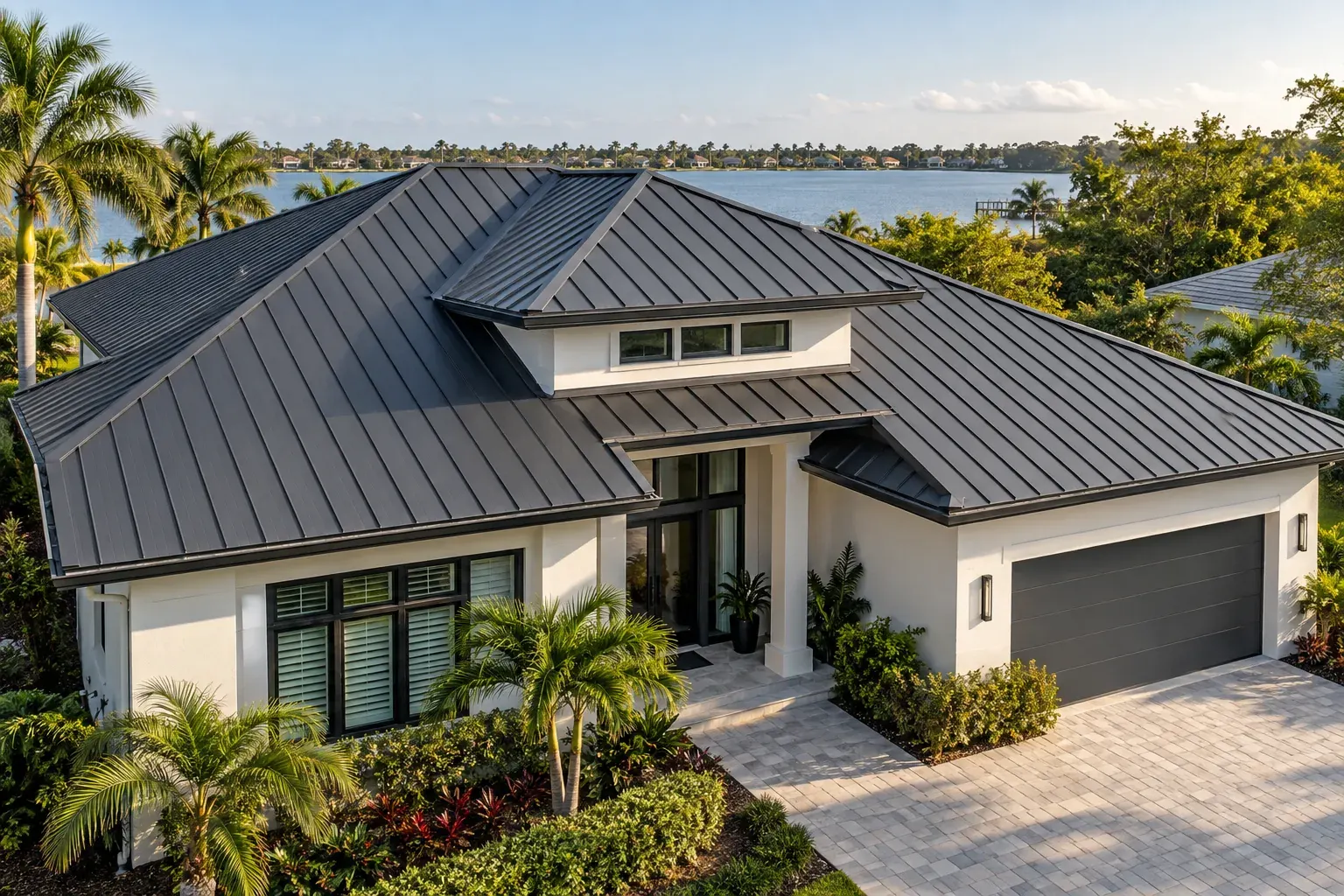
Table of Contents
- Begin With the Standing Seam System, Not a Slogan
- What the Hidden-Fastener Design Can Offer
- Weather Performance Depends on the Complete Assembly
- Finish, Heat, and Sustainability Need Product-Specific Answers
- Higher Upfront Scope Is a Real Trade-Off
- Oil Canning, Noise, and Appearance Expectations
- Installation, Maintenance, and Future Changes
- Decide With a Written System Scope
Standing seam metal roofing is easy to recognize: long metal panels run from the ridge toward the edge of the roof, and their raised seams create a crisp architectural pattern. It can be an appealing option for a Tampa Bay home, especially when a homeowner values a particular look and wants to understand the complete metal-roof system rather than choose from a generic material label.
The three legacy articles consolidated here focused heavily on benefits, then treated the price, sound, oil canning, and installation effort as short caveats. Those are real topics, but the decision deserves more than a list of superlatives. Panel profile, coating, attachment method, roof geometry, attic conditions, transitions, labor scope, and future plans for the property all matter.
This guide explains the useful trade-offs without promising that every standing seam roof will perform, cost, sound, or look the same way. Use it to prepare for a roof-specific estimate conversation; the condition of the existing roof and the documented assembly should make the final decision.
Begin With the Standing Seam System, Not a Slogan
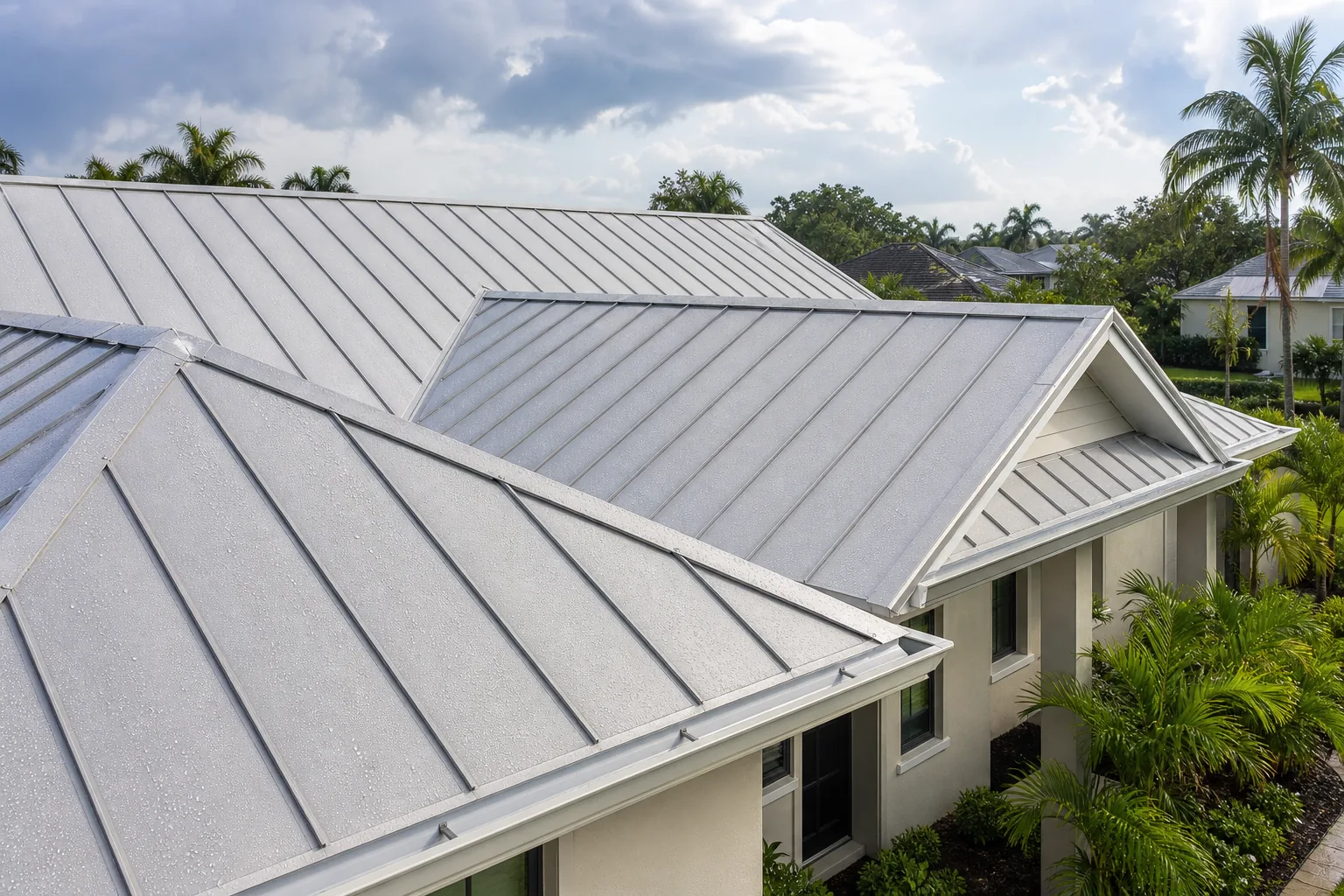
A standing seam roof is a panel system, not a single interchangeable product. Its distinctive raised seams typically connect long panels and conceal much of the fastening approach. Depending on the system, clips, seams, trim, underlayment, and flashing are coordinated to allow the panels to do their job while accommodating movement from temperature changes. The details differ by manufacturer and panel profile.
That hidden-fastener concept can be a meaningful advantage, but it is not a promise that every roof will perform the same way. Penetrations, valleys, roof-to-wall transitions, edges, and the conditions below the panels still need correct materials and workmanship. Our standing seam metal roofing guide explains the profile and concealed-fastener approach in more detail; the broader metal roofing page is useful when comparing system options in an estimate.
Before deciding, identify the panel profile, metal type and thickness, finish, attachment method, underlayment, flashing, trim, ventilation scope, and manufacturer requirements proposed for the actual roof. That is more useful than assuming all standing seam systems have the same appearance, service needs, or weather behavior.
Weather Performance Depends on the Complete Assembly
Florida heat, heavy rain, wind-driven rain, and storms make weather questions appropriate. They do not make a product name a performance guarantee. Wind, water, and impact outcomes depend on the specified product, the documented assembly, attachment, roof geometry, edge and flashing details, local requirements, and the existing structure. A standing seam roof may be suitable for a particular home, but only the proposed system documentation can support a particular rating or application.
Long panels can reduce horizontal joints across a roof plane, while raised seams and system-specific flashing help manage water paths. Those are reasons to study the design, not reasons to overlook the details where roof planes change or a penetration interrupts a panel. The deck, underlayment, transitions, drains, and trim deserve the same attention as the visible panels.
Ask the contractor to show which product documentation applies to the proposed roof and which conditions they verified on site. A complete written scope can separate what is specified from what still needs field confirmation, instead of leaving weather expectations to a sales phrase.
Finish, Heat, and Sustainability Need Product-Specific Answers
Metal roofing can be offered in finishes and colors that complement a home's architecture, from subtle neutrals to more contrasting choices. Some finishes and tested assemblies may have documented solar-reflectance characteristics. Actual indoor comfort and energy use, however, also involve insulation, attic ventilation, air sealing, windows, HVAC operation, shade, and household habits. A roof finish by itself does not promise a particular utility bill.
Likewise, it is reasonable to ask about the material's recycled content, recyclability, service life, coatings, and end-of-life options. The answers can differ by panel material, manufacturer, location, and available recycling streams. A useful sustainability discussion identifies the actual product and practical handling plan instead of saying that a replacement roof will automatically avoid the landfill.
Bring finish samples into the conversation and view them in outdoor light if possible. Confirm the finish warranty and care requirements alongside the roofing warranty, then choose an appearance that works with the fascia, exterior walls, and long-term plans for the property.
Higher Upfront Scope Is a Real Trade-Off
Standing seam roofing often calls for a higher upfront project scope than asphalt shingles or some other metal profiles. There is no reliable price shortcut for every house. The final number can change with roof size, pitch, access, panel selection, tear-off, deck repairs, underlayment, flashing, trim, ventilation work, gutters, permits, and the labor required to coordinate detailed conditions.
That does not make it the wrong choice. A homeowner who values the profile, plans to keep the home, and wants a system that fits a specific roof may find the investment appropriate. Another homeowner may prefer a different material after comparing scopes. The important point is to compare complete written proposals, not a panel price against a shingle price with missing preparation and accessories.
Separate the material selection from the service and documentation plan. Ask what is included now, what could be discovered once the existing roof is opened, who performs the work, and how changes will be approved. A clear estimate is more useful than a generic installed-price range.
Oil Canning, Noise, and Appearance Expectations
Oil canning describes visible waviness or slight distortion in the broad, flat areas of a metal panel. Lighting, viewing angle, panel width, material characteristics, handling, and installation details can affect how noticeable it is. It may be mainly an appearance concern, but a homeowner should never be told to ignore a surface condition without context. If it appears alongside displacement, loose details, damage, or another functional concern, the system should be evaluated.
Discuss the finish, panel profile, panel width, roof geometry, and normal visual expectations before signing a contract. The separate oil canning guide can help frame that discussion. A product sample and photos of comparable completed systems are better tools than a promise of a perfectly uniform surface in every light.
Rain sound is similarly affected by more than the top panel. The roof deck, attic, insulation, ceiling construction, interior finishes, and weather event all influence what people hear indoors. Do not assume a metal roof will be silent or unusually loud without reviewing the home's actual assembly and the options available for the project.
Installation, Maintenance, and Future Changes
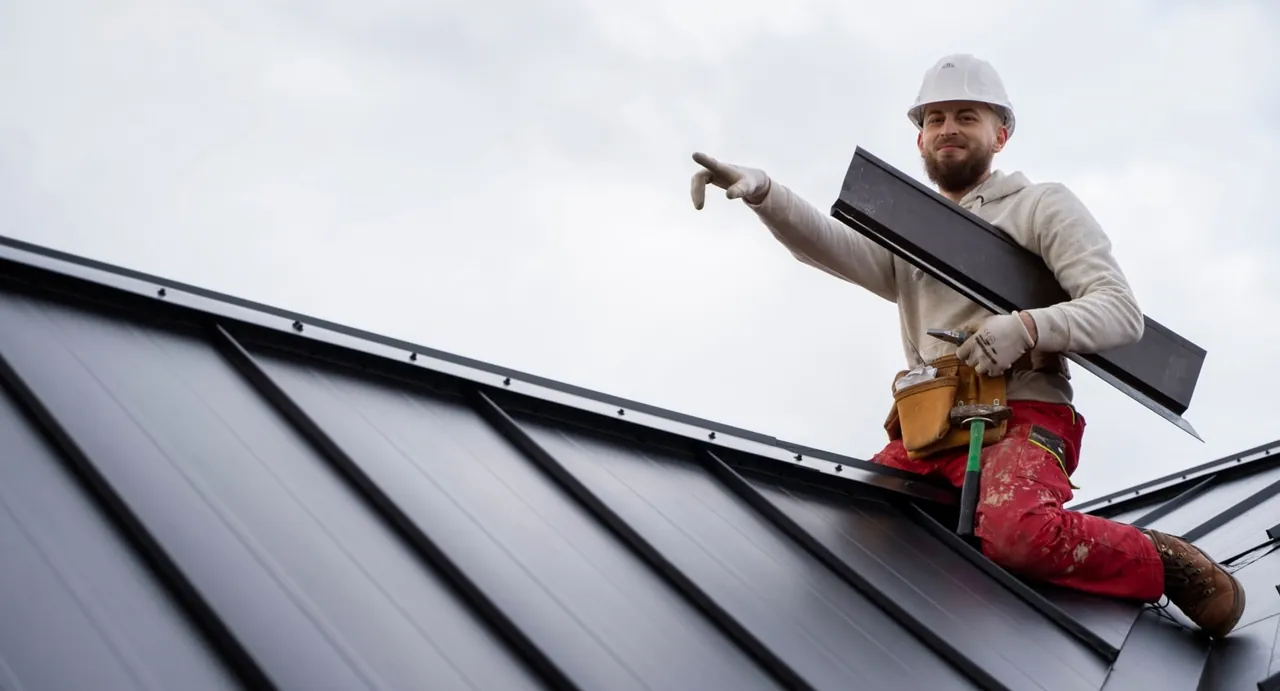
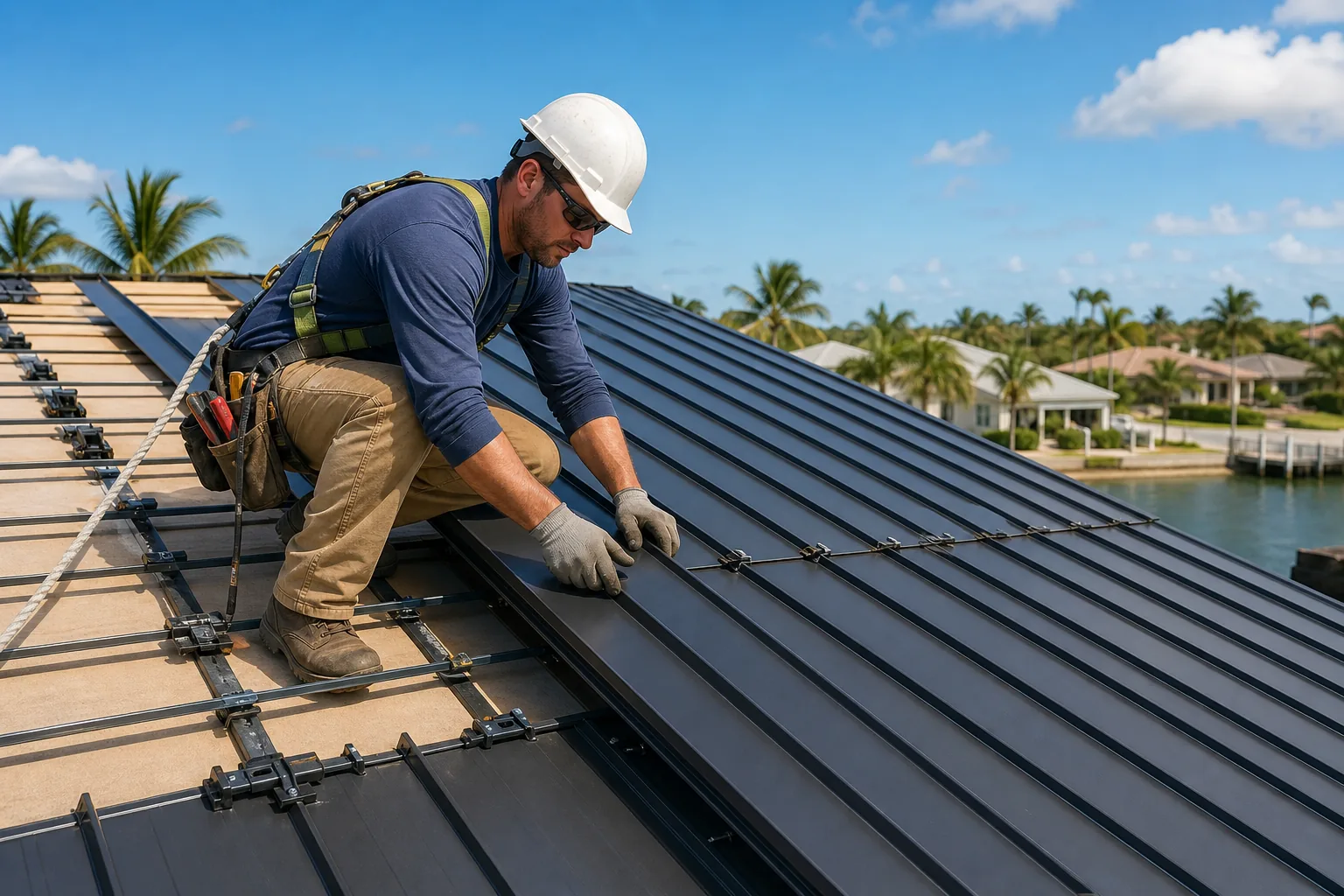
Standing seam installation is detail-driven. Panels must be measured, positioned, attached, seamed, and finished so that movement, drainage, penetrations, wall transitions, valleys, and edges follow the system requirements. This work can be more specialized than a simpler profile, so the contractor's familiarity with the specified system and their plan for site conditions deserve careful review.
No roof should be treated as maintenance-free. From the ground, homeowners can note debris, drainage issues, obvious changes, or storm-related concerns. Roof-level work, cleaning methods, sealant questions, and suspected issues should be handled in a way that protects the panels and system details. Review the available metal roofing maintenance guidance, then follow the actual product and contractor recommendations for the roof.
Future changes need planning too. A new vent, skylight, solar attachment, satellite dish, or other roof penetration should not be treated as a casual add-on. Ask how any future work will be coordinated with the panel system, flashing, warranty documentation, and service responsibility before someone cuts into the finished roof.
Decide With a Written System Scope
The best next step is not “which roof is universally better?” It is to identify whether a standing seam system fits this home's roof, design priorities, budget, and planned ownership period. A site-specific review should document the existing roof condition, deck and attic observations, drainage, transitions, penetrations, required repairs, and the proposed system details before a homeowner compares proposals.
A professional roof inspection gives the conversation a factual starting point. If replacement is the appropriate path, the proposed roof replacement scope should name the components, responsibilities, and documentation that turn a material preference into a workable project.
Questions to Ask Before You Choose Standing Seam
- Which exact panel profile, metal type, finish, attachment method, underlayment, flashing, trim, and ventilation details are included?
- How will the scope address the deck, valleys, penetrations, wall transitions, gutters, and any repairs found during the work?
- What product documentation, workmanship coverage, maintenance guidance, and change-approval process will I receive?
- What visual characteristics are normal for this panel and finish, and how should a future accessory or roof penetration be handled?
Plan the complete roof system
Compare Standing Seam With a Clear, Roof-Specific Scope
Request a free roofing estimate from Affordable Roofing Systems to review your roof, discuss appropriate metal options, and receive a documented next-step scope.
Schedule a free roofing estimate