Stone Coated Metal Roofing vs Asphalt Shingles Comparison
Compare stone-coated metal and asphalt shingles by system, appearance, scope, maintenance, and the questions worth resolving...
Stone-coated metal and asphalt shingles can both appear on residential roofs, but they are different system categories. The legacy comparison used a familiar checklist—longevity, cost, weight, fire, hail, wind, energy efficiency, and warranty—to contrast them. Its numeric ratings, dollar figures, universal performance claims, and warranty conclusions are historic and should not be treated as current facts or guarantees.
A better comparison starts with the roof in front of you. The roof's structure, slope, geometry, drainage, existing conditions, architectural goals, budget, product availability, manufacturer requirements, and written installation scope all matter. This guide keeps the useful decision categories from the legacy article while shifting the focus from generic claims to the questions that make a proposal comparable.
Neither material is automatically right for every property. The strongest choice is the one whose complete system, appearance, scope, and long-term care requirements fit the home and are clearly documented before work starts.
Understand the Two Roofing Categories
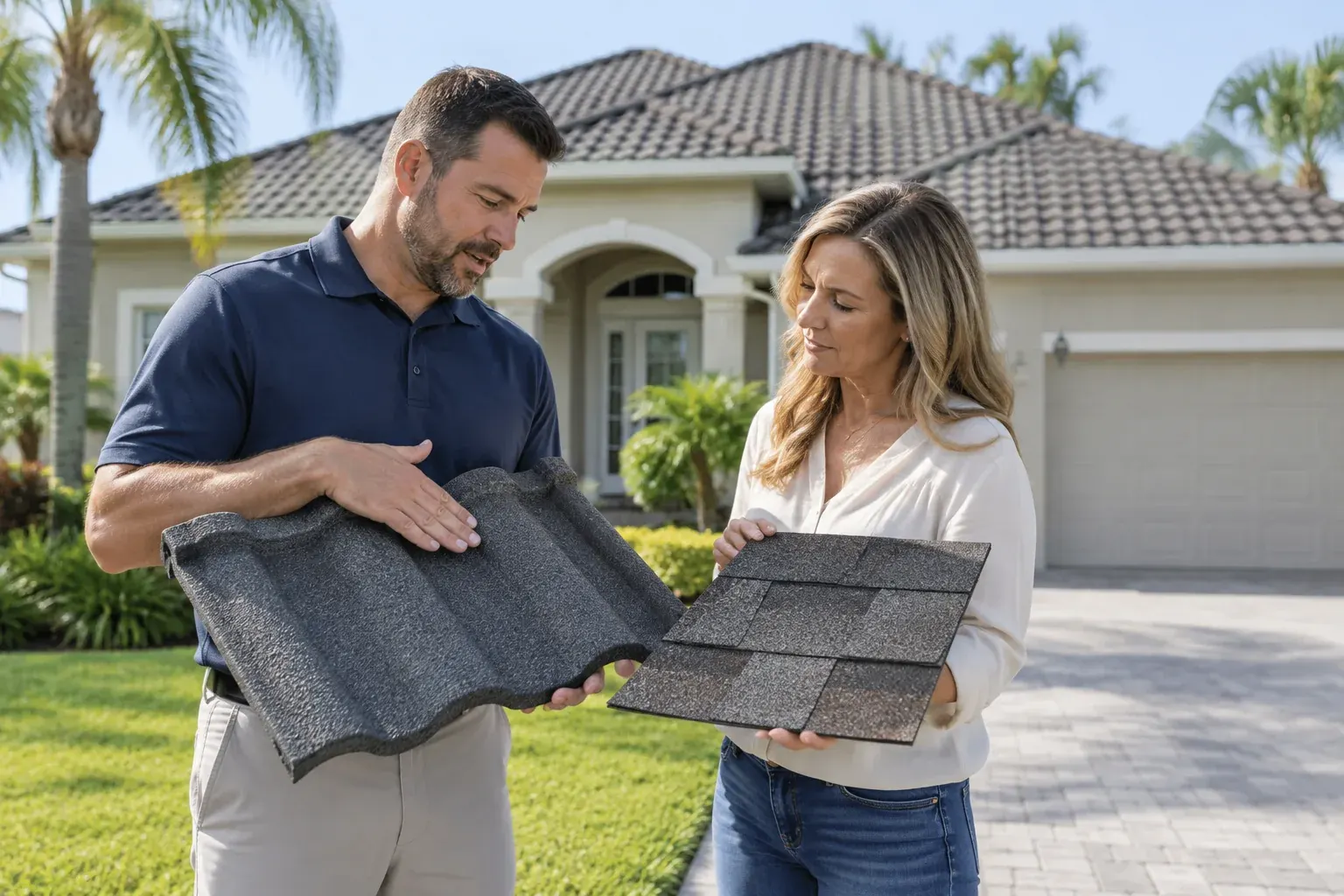
Asphalt shingles are a familiar layered roof covering made up of individual shingles and related system components. A stone-coated metal roof uses steel-based panels with a textured, granulated surface that can be formed into tile-, shake-, or shingle-like profiles. The difference is visible, but it is also structural to the scope: the compatible components, layout, flashing, fasteners, trim, and installation details are not interchangeable.
The specific product matters. A proposal should identify the exact profile, finish, color, accessories, and current technical documentation rather than using a broad material label. If a homeowner is considering stone-coated steel roofing, the conversation should include the named system that is available for the project, not an outdated brand or generic photo.
Both categories need a sound roof assembly beneath the visible surface. Preparation, deck conditions, water-management layers, flashings, vents, penetrations, edges, ridges, and transitions should be described in the written scope. A material sample cannot tell you how those details will be handled on a particular roof.
Compare Appearance With the Whole Home
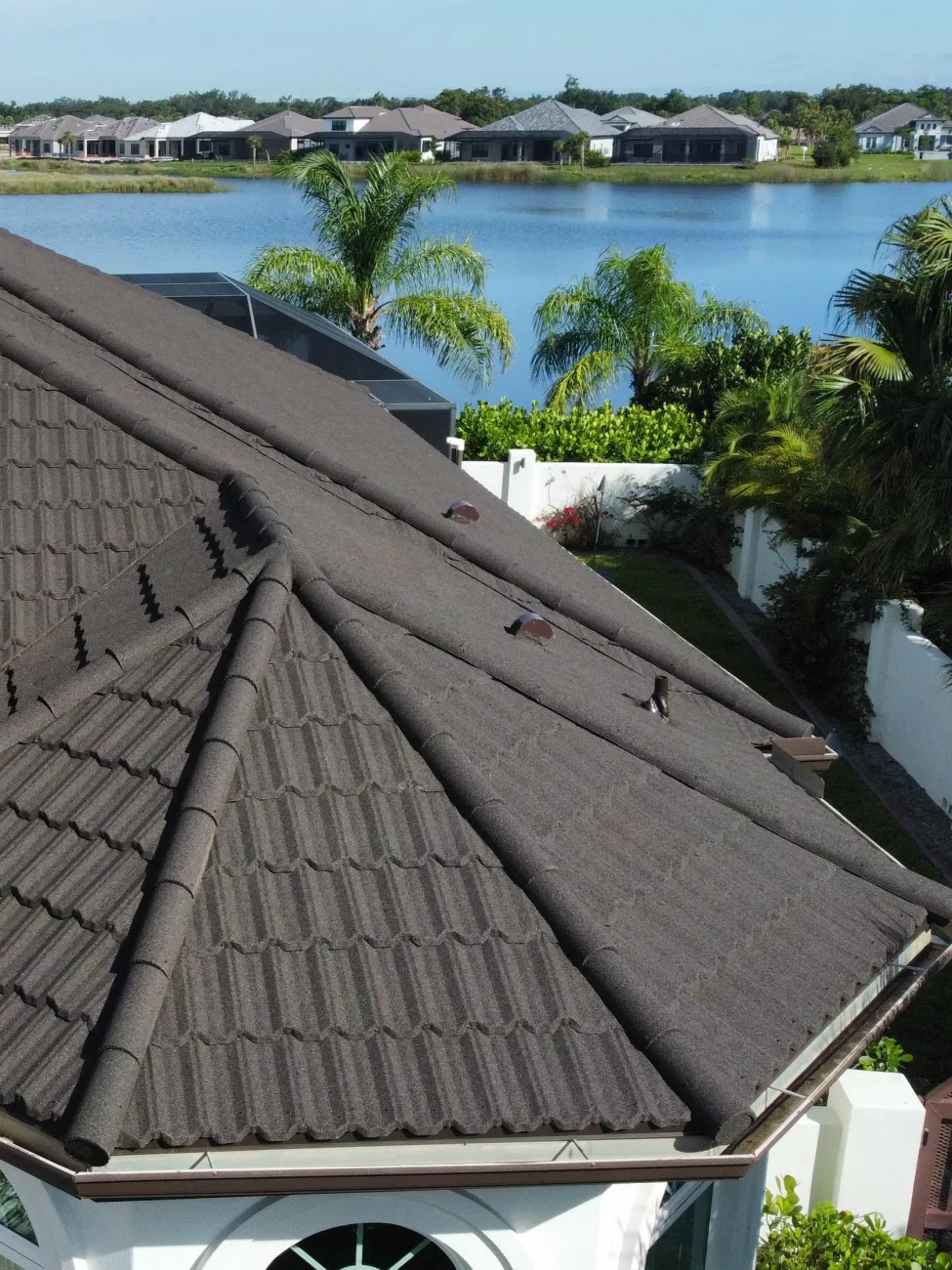
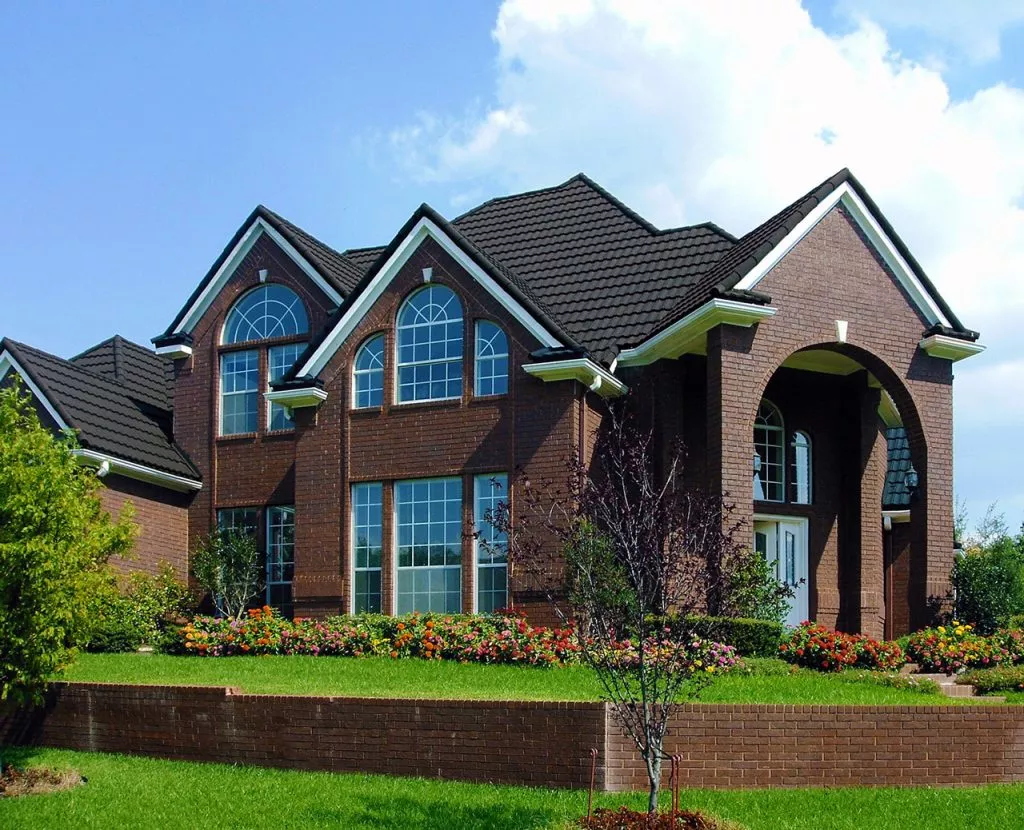
Appearance is a legitimate part of a roof-replacement decision. Stone-coated panels can create depth and texture that read differently from a conventional shingle roof. Asphalt shingles offer their own range of colors and dimensional looks. The better visual choice depends on the home's architecture, masonry or siding, trim, roof shape, neighboring context, and the way a sample looks outdoors in changing light.
Do not choose only from a small indoor swatch. Ask to see the actual profile and color in daylight, then consider ridges, hips, valleys, edges, and wall transitions. Those components help determine whether the finished roof will support the design goal rather than simply cover the roof surface.
A home's roof geometry may narrow the practical options. A simple roof and a roof with multiple planes, complex intersections, skylights, walls, or changes in slope are not the same installation. The proposal should show how the selected material will work at those conditions, not just how it looks in a manufacturer image.
Compare the Complete Installed Scope
The legacy article described stone-coated metal as costing more initially than asphalt. That may be true for many project comparisons, but it is not enough to compare an installed roof. Two proposals can use different materials and still differ because of tear-off, deck work, protective layers, flashing, ventilation, edge details, accessories, permits, site protection, cleanup, and labor planning.
Read every proposal as a complete scope. Is the existing roof being removed or covered? What is assumed about the deck? Which water-management layers and flashings are included? Are gutters, walls, skylights, chimneys, or other transitions addressed? How are hidden conditions handled? A lower total can be a fair value only when it describes a comparable system and responsibility.
The same discipline applies when comparing shingle roofing with a metal option. Ask for the scope differences in writing. It is easier to make a good decision before work begins than to discover that a key system component was assumed but never included.
Weight and Roof Structure
The original comparison presented simple weight figures. Actual weights vary by specific product and by the full assembly, so a historic number is not a design answer. If weight is a concern, ask the contractor to identify the named product, whether the existing roof will be removed, what substrate is present, and whether the roof's structure or local requirements call for additional review.
That conversation should not be reduced to a claim that one category is always light or always heavy. The condition of the existing roof, the proposed layers, and the property's construction are part of the decision. An installer should explain the project-specific assumption in the scope.
Weather Exposure and System Details
The legacy article made broad statements about fire, hail, and wind. A safer way to use those topics is to verify the named system's current documentation and how it will be installed. Ratings, classifications, limitations, product approvals, and local requirements can vary. The finished roof's performance also depends on the deck, fasteners, panel or shingle layout, flashings, edges, penetrations, and other details around the field of the roof.
Ask which current documents apply to the exact system in the proposal and whether there are roof-specific conditions that affect it. That produces a more useful answer than assuming a material category guarantees a particular storm result or insurance outcome.
Maintenance and Repair Planning
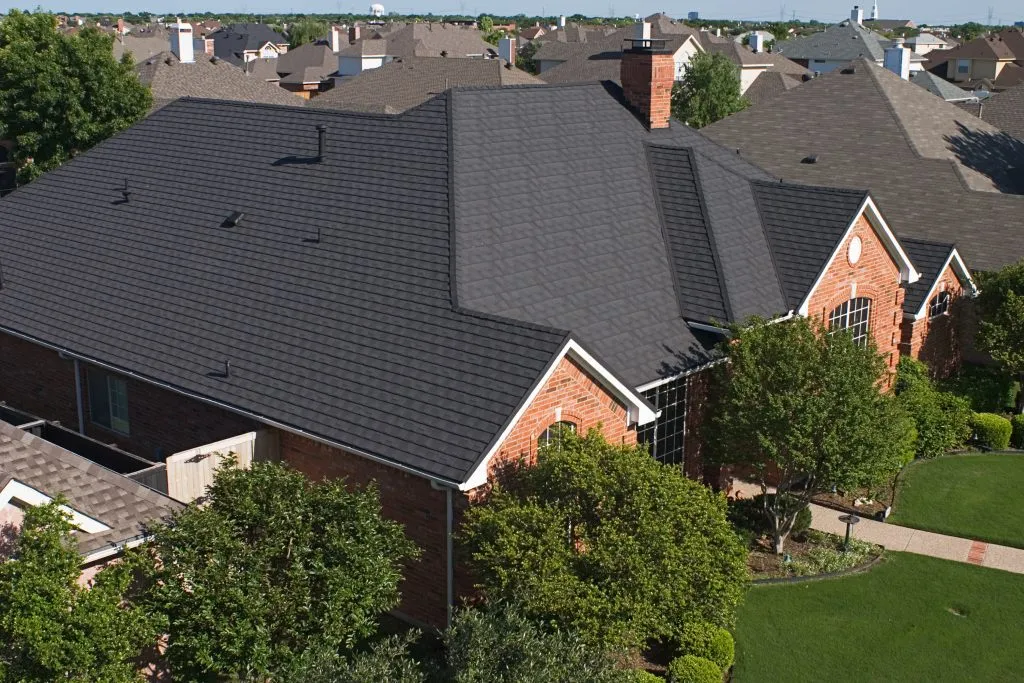
No roof category is maintenance-free. Both need periodic attention to debris, gutters, valleys, flashings, penetrations, sealants, visible changes, and conditions after severe weather. The exact access rules and care practices should follow the system that is installed. Homeowners should not assume they can walk on a roof or use a cleaning method without knowing the product's requirements.
Repair planning deserves an early conversation, too. Matching materials, access, the location of a concern, surrounding roof conditions, and component availability can affect the work years later. Keep the proposal, product information, color and profile details, warranty documents, and project photos. Those records give a future contractor a much clearer starting point.
For a focused discussion of the tradeoffs on the metal side, see the guide to stone-coated metal roofing pros and cons. It is still important to connect those general considerations to the actual roof and the current system being proposed.
Energy, Comfort, and Warranty Questions
A roof can be part of a home's comfort strategy, but neither a stone-coated panel nor an asphalt shingle can promise a particular indoor temperature or utility result by itself. Attic conditions, insulation, ventilation, air sealing, ceiling assembly, roof color, sun exposure, and the full roof system influence the outcome. Discuss those factors together if comfort is one of your priorities.
Warranty discussions should be equally specific. The original article gave a simple category-wide comparison, but current terms depend on the manufacturer, product, installation requirements, registered system, and other conditions. Ask which warranty is being offered, what current document controls it, who handles registration, and which system components must be included.
A clear answer is a written one. It identifies the exact product and terms that apply to the proposal rather than relying on a broad claim about what every roof in a material category receives.
Make a Home-Specific Choice
Start with an on-site professional roof inspection. It can identify visible roof conditions, drainage concerns, flashing issues, deck questions, prior repairs, ventilation needs, and the design constraints that should shape the recommendation. That is a more reliable basis for a material choice than a comparison chart alone.
Then compare the material systems against the same questions: What exact product and profile are proposed? Does it fit the roof's slope, geometry, structure, and architecture? What is included below and around the visible roof? How are hidden conditions handled? What current product documents and warranty terms apply? What maintenance and access guidance will you receive?
A good answer leaves you with a specific, reviewable scope—not a generic promise. Whether the best fit is stone-coated metal or asphalt shingles, the right decision is the one that makes the installed roof, the home's design, and the long-term plan work together.
Considering a roof replacement?
Compare Roofing Materials With Confidence
Request a free roofing estimate from Affordable Roofing Systems to review your roof condition, material options, and the details that belong in a complete replacement scope.
Schedule a free roofing estimate