What Voids a Roof Warranty?
Learn what can affect roof-warranty coverage, which written terms to review, and how to protect the records that apply to your roof...
Table of Contents
- What a Roof Warranty Usually Covers
- Questions to Answer Before Roof Work Begins
- Installation and Repair Choices Can Affect Coverage
- Roof Penetrations and Later Alterations Need Coordination
- Maintenance and Roof Conditions Can Matter
- Storm Damage and Warranty Coverage Are Not the Same Question
- Keep the Documents That Tell the Roof’s Story
- Protect the Warranty by Making Informed Decisions
A roof warranty can be an important part of a replacement or major repair decision, but it is not one generic promise that covers every condition for every roof. The exact protection can depend on the product, the installer, the assembly, the date of installation, the documents issued for that project, and the terms that were in force when the work was completed.
The legacy articles behind this guide covered why warranties matter, what to look for before a project, and many situations that can affect coverage. Taken together, their most useful point is simple: read the written terms for the specific roof instead of relying on a general statement about a warranty length or a list on the internet.
This guide explains the questions worth asking, the kinds of installation and maintenance choices that may matter, and how to keep the records that can be important if a problem develops. It is general educational information, not a replacement for the manufacturer's or contractor's current written warranty documents.
What a Roof Warranty Usually Covers
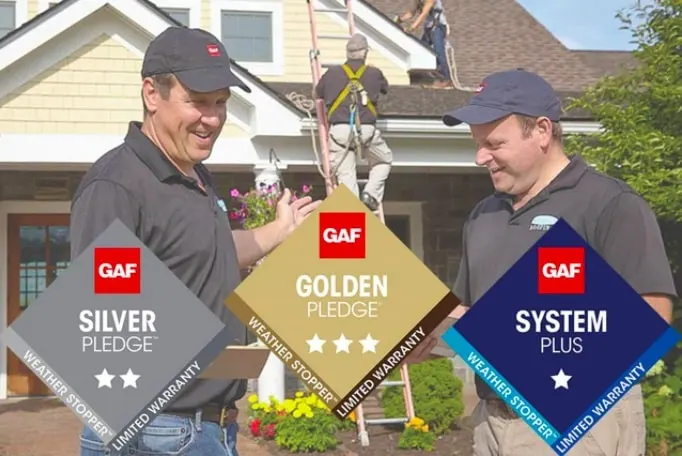
A roofing project can involve more than one kind of coverage. A manufacturer warranty commonly addresses eligible defects in the roofing products. A contractor workmanship warranty addresses the installation work under the contractor's own terms. Some enhanced manufacturer programs can include additional installation-related coverage when their qualification, product, and registration requirements are met. Those categories can overlap in a homeowner's mind, but they are not automatically the same promise.
The roof is also a system rather than a single visible layer. Shingles or other roof-covering materials work with underlayment, starter materials, flashing, ridge components, fasteners, ventilation details, and the deck beneath them. If your proposal includes a particular manufacturer's system, the GAF roofing system guide can help explain why the written proposal should identify the components rather than only naming the visible shingle.
Coverage can have limits, exclusions, notice requirements, and procedures for an inspection or claim. Storm damage, normal aging, damage caused by a later alteration, and a product defect may be treated differently. The only reliable way to know what applies is to review the documents for the actual roof and ask questions before authorizing work.
Material and Workmanship Coverage Are Different
A material warranty is not necessarily a promise that every leak or roof problem will be paid for, and a workmanship warranty is not necessarily issued by the manufacturer. Ask who stands behind each part of the coverage, what event could trigger it, how long that coverage lasts, and which portions of the roof system it includes. A clear answer should distinguish product coverage, installation coverage, labor, tear-off, disposal, and any conditions that may be evaluated separately.
It is also worth confirming whether the terms require a registered system, a particular contractor qualification, or a complete compatible assembly. Do not assume that a familiar product name, a long headline duration, or a verbal assurance settles those details.
Questions to Answer Before Roof Work Begins
A good warranty conversation begins before the roof is installed, not after a concern appears. Ask for the current written warranty documents, the proposal, and a description of the roof system being installed. These records should make it easier to see what is included, what may be excluded, and which steps must be completed to keep any eligible coverage in place.
For a replacement, the scope should also make clear how the existing roof will be removed or retained, how the deck will be evaluated, and how flashing, ventilation, and roof penetrations will be handled. A complete roof installation plan connects those details to the materials rather than treating the warranty as an afterthought.
Warranty Questions Worth Asking
- Which company provides the product warranty, which company provides workmanship coverage, and what does each one address?
- Which roof-covering materials, underlayment, flashings, accessories, ventilation components, and installation details are included in this proposal?
- Are registration, maintenance, transfer, notice, documentation, or approved-system requirements necessary for the coverage being discussed?
- What conditions, alterations, weather events, or types of damage are excluded, limited, or evaluated under a separate process?
- If a concern develops, who should be contacted first, what evidence should be retained, and what is the stated claim or inspection process?
Installation and Repair Choices Can Affect Coverage
Many warranty disputes begin with the installation, the roof deck, or a later repair rather than with a visible shingle alone. The legacy sources repeatedly warned about installing a new roof over an old one, using incompatible components, and allowing improper installation or repairs. Whether a particular action affects your coverage depends on the written terms and the condition of the roof, but the practical lesson is durable: a lower upfront shortcut can create a larger question later.
For example, an overlay can conceal deck deterioration, existing moisture damage, or details that need correction before the new material is installed. A proposal should state how the existing roof and deck will be assessed, whether removal is included, and what happens if concealed conditions are found. Good installation decisions begin with the actual assembly, not just the visible surface.
Why Installation Details and Repairs Matter
Fastener placement, shingle exposure, flashing, valleys, roof edges, ventilation, and transitions all affect how the roof sheds water. A repair also needs materials and methods suited to the existing roof. Applying an unrelated product, relying on sealant where flashing is needed, or making a cosmetic patch without tracing the water path can leave the underlying condition unresolved.
If the roof needs attention after installation, retain the invoices, photos, and written explanation of the work. A targeted roof repair can be appropriate when it addresses the actual source of a problem and fits the existing system; the warranty documents should guide whether authorization or a specific process is required first.
Roof Penetrations and Later Alterations Need Coordination
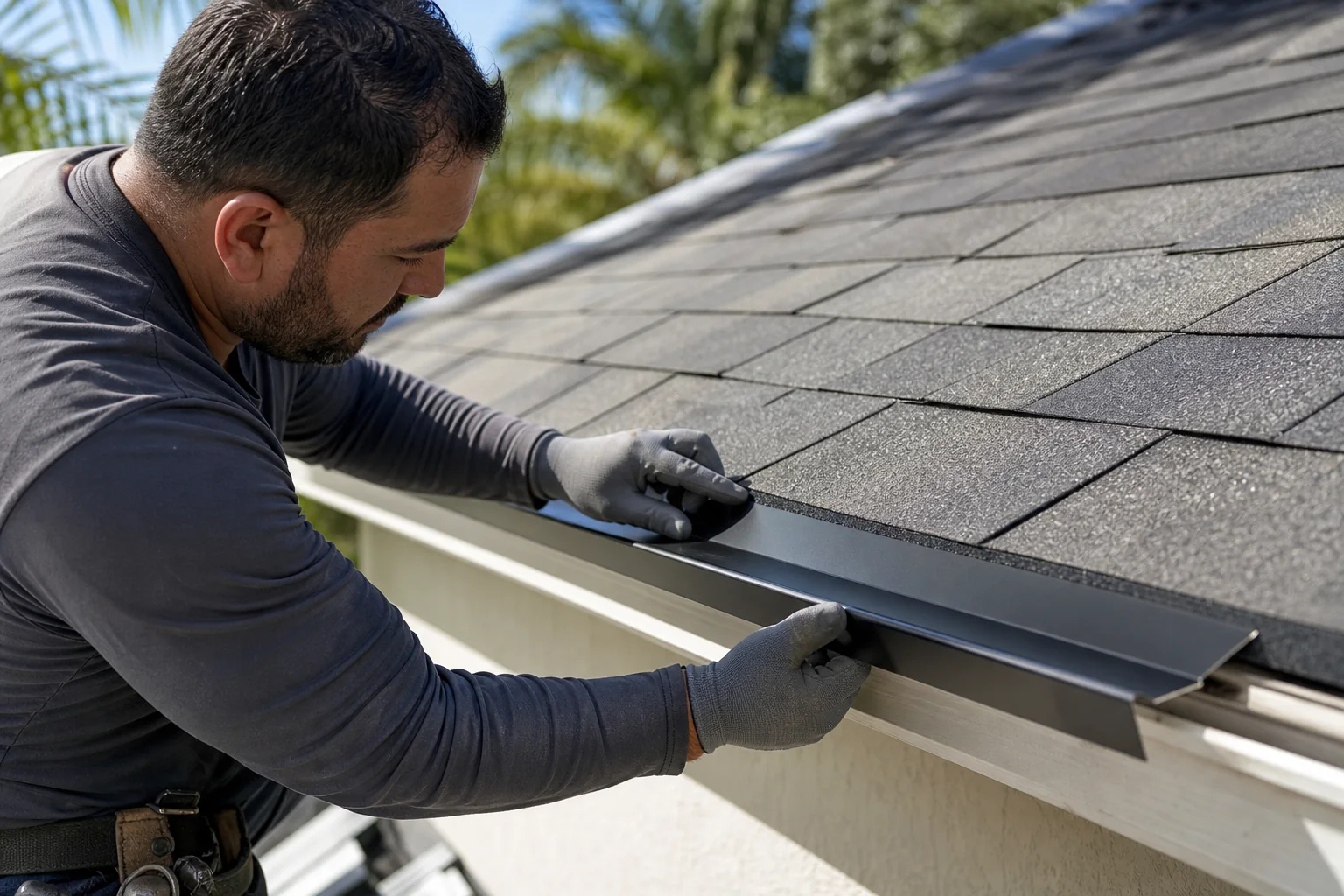
Satellite dishes, antennas, solar equipment, skylights, HVAC work, vents, and other additions may require penetrations through the roof covering. The older articles correctly identified these as situations to take seriously, because holes, fasteners, removed shingles, and new flashings can change how water moves through the assembly. They should not be treated as a quick add-on after a roofing project.
Before another trade starts work on the roof, share the warranty documents and coordinate the scope with the roofing professional and the installer performing the new work. Confirm who is responsible for flashing, sealing, restoring the roof covering, documenting the condition before and after the work, and addressing any manufacturer-specific requirements. A written answer is more useful than assuming that every alteration has the same effect on coverage.
Skylights are a good example: a stain near a skylight may involve its surrounding flashing, the roof covering above it, or another nearby detail. Our skylight leak repair guide explains why the complete water path deserves an evaluation rather than a surface-level assumption.
Maintenance and Roof Conditions Can Matter
Maintenance requirements vary by product and warranty. Some documents may ask homeowners to address debris, drainage, vegetation, or visible conditions promptly; others may describe exclusions for particular kinds of damage. Keep the roof clean and observed in a safe, manufacturer-appropriate way, but do not assume that aggressive cleaning or a do-it-yourself repair is the right response to every stain, algae pattern, or loose shingle.
Pressure washing is one of the recurring warnings in the legacy sources. High-pressure cleaning can damage roofing materials, dislodge granules, disturb flashings, or force water where it does not belong. The correct cleaning approach depends on the roof material, its condition, and the manufacturer's guidance. When in doubt, ask before using equipment or treatments that could change the roof surface.
Foot traffic, stored items, unauthorized accessories, and standing water also deserve attention. Traffic can damage a roof surface or a low-slope membrane; a recurring ponding area may point to a drainage, slope, or deck condition that needs investigation. These conditions are not automatically the same as a voided warranty, but they are reasons to review the terms and document the condition rather than letting it continue.
Ventilation Is Part of the Whole Roof System
The legacy articles also called out inadequate ventilation. Attic airflow can affect heat and moisture conditions, but a ventilation concern should be evaluated as a complete path of intake, exhaust, attic layout, insulation, ductwork, and roof geometry. Adding a component without diagnosing the assembly can create a different problem instead of solving the original one.
Safe, regular roof maintenance can help identify visible drainage, flashing, and surface concerns before they become larger water-management issues. It should include a recommendation that matches the roof's actual materials and documentation.

Storm Damage and Warranty Coverage Are Not the Same Question
A warranty and an insurance policy solve different questions. Wind, hail, falling debris, water intrusion, and other storm-related conditions may be handled under insurance, a warranty, both, or neither depending on the facts and the documents involved. A manufacturer's defect warranty may not be intended to cover a weather event, while a workmanship concern may require a separate review of the installation and roof condition.
After a storm, photograph visible changes safely from the ground or inside the home, note when the condition appeared, protect the interior if water is active, and avoid walking a wet or damaged roof. Then arrange a professional roof inspection that can document the condition and explain whether the next conversation should be with the contractor, manufacturer, insurer, or another qualified professional.
Do not delay a safety-sensitive repair simply because the coverage question is still being sorted out. Record the condition, keep copies of communications, and ask before authorizing permanent work when the warranty process requires notice or an inspection.
Keep the Documents That Tell the Roof’s Story
A roof can remain in place for many years, while the documents and people involved in its installation are easier to lose track of. Keep the signed contract, detailed scope, material list, warranty certificates, registration confirmation, paid invoices, permits when applicable, photos from the project, inspection reports, repair records, and correspondence about later changes. These records help a future homeowner, contractor, manufacturer representative, or claim reviewer understand what was installed and when.
If the home may be sold, read the transfer language early rather than assuming a warranty automatically follows the property. Some terms have a deadline, fee, or paperwork requirement. A concise written file is also valuable when comparing estimates, because it gives the next professional a clearer starting point than a memory of the original project.
When a proposal uses technical terms you do not recognize, our roofing glossary can help you prepare better questions about the system, the work, and the documents being discussed.
Protect the Warranty by Making Informed Decisions
The strongest way to protect a roofing investment is not to memorize a list of actions that supposedly void every warranty. It is to select a qualified contractor, understand the scope before work starts, keep the current written warranty documents, coordinate later changes to the roof, use appropriate maintenance practices, and document conditions before they become harder to explain.
If you are replacing a roof, considering solar or another roof-mounted addition, seeing a leak near a penetration, or reviewing an old warranty after a storm, start with the documents that govern your project. Then ask for a roof-specific assessment that connects the written terms to the condition in front of you.
Need a clearer next step?
Review Your Roof Warranty With Confidence
Request a free roofing estimate from Affordable Roofing Systems to discuss your roof's condition, planned work, and the questions you should take to the current warranty documents.
Schedule a free roof inspection